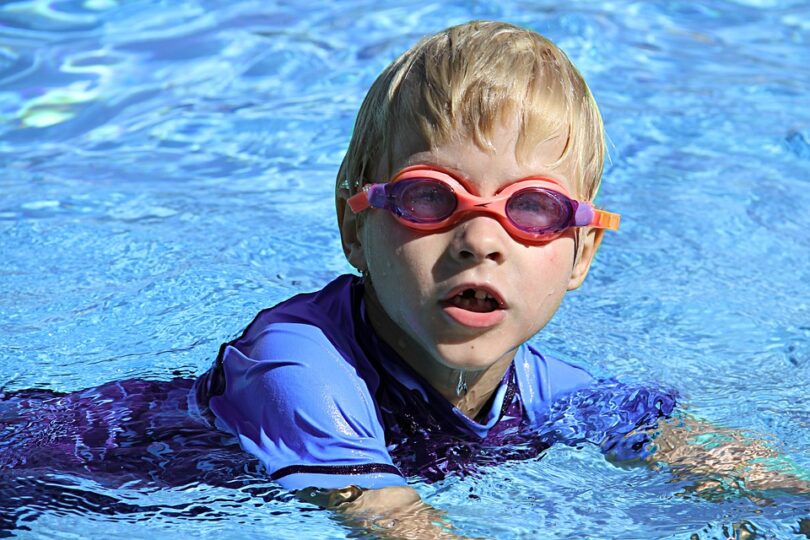


Swimming is a vital life skill that can promote safety and boost confidence in children. With numerous options available, selecting the right swimming lessons for your child can seem daunting. Here’s a comprehensive guide to help you navigate this important decision.
1. Assess Your Child’s Comfort Level
Before enrolling your child in swimming lessons, evaluate their comfort level with water. Consider the following:
- Have they had any previous exposure to swimming?
- Do they enjoy being in the water?
- Are they nervous or fearful?
Understanding their feelings towards water will help you choose a program that caters to their emotional and physical needs.
2. Age-Appropriate Classes
Swimming programs often segregate classes based on age. It’s important to select a class that aligns with your child’s age and developmental stage. Most classes are as follows:
- Infants (6 months – 3 years): Focus on water acclimatization and bonding.
- Preschool (3 – 5 years): Teach basic skills and water safety.
- Young children (6 – 12 years): Develop stroke techniques and coordination.
- Teenagers: Fine-tune swimming skills and facilitate competitive training.
3. Class Size and Instructor Qualifications
The instructor’s qualifications and class size can greatly impact the effectiveness of the lessons. Look for the following:
- Certifications: Ensure instructors are CPR certified and have completed a swim instructor training program.
- Class Size: Smaller classes allow for personalized attention, which can enhance a child’s learning experience.
4. Teaching Techniques
Different swimming schools may employ various teaching philosophies. Research these approaches to find a style that suits your child:
- Traditional: Focus on structured lessons and technique.
- Play-based: Emphasizes fun and engagement to build skills.
- Progressive: Adapts to the child’s learning pace, focusing on individual growth.
5. Location and Facilities
Choose a swimming facility that is convenient and accessible. Consider the following:
- Proximity to home or school to ensure consistent attendance.
- Cleanliness and safety of the facility.
- Availability of child-friendly amenities (changing rooms, lockers, etc.).
6. Schedule and Flexibility
Look for classes that fit well with your family’s schedule. Some considerations include:
- Class frequency: Weekly or bi-weekly sessions?
- Duration: A typical class lasts between 30-60 minutes.
- Makeup classes: Policies on missed sessions can offer flexibility.
7. Costs and Payment Options
Swimming lessons can vary in cost significantly. To decide on a program that fits your budget:
- Research average prices in your area.
- Inquire about any additional fees (registration, equipment, etc.).
- Look for trial classes or introductory offers.
8. Parental Involvement
Some programs encourage parental involvement during lessons, while others promote independence in children. Decide which approach aligns with your parenting style:
- Are you comfortable being in the water with your child?
- Do you prefer to observe from the sidelines?
Conclusion
Choosing the right swimming lessons for your child is a crucial step towards ensuring their safety and enjoyment in the water. By assessing your child’s comfort level, selecting age-appropriate classes, and considering the qualifications of the instructors, you can make an informed decision that positively impacts your child’s swimming journey. Remember to stay engaged and observant throughout the process, as this will help foster a supportive environment for your child’s growth.
FAQs
1. At what age can my child start swimming lessons?
Many programs offer lessons for infants as young as six months. However, it’s essential to assess your child’s readiness and comfort level.
<h3>2. How long will it take for my child to learn how to swim?</h3>

<p>The time it takes to learn varies by child and can depend on their age, prior experience, and the frequency of classes. Generally, children can learn basic skills in a few months.</p>
<h3>3. What should my child wear to swimming lessons?</h3>

<p>Most children should wear a swimsuit, and swim caps are often recommended. Goggles can be used for comfort, especially if your child is sensitive to water in their eyes.</p>
<h3>4. What if my child is afraid of water?</h3>

<p>Consider starting with private lessons or programs that focus on water acclimatization and gradual exposure to help build their confidence.</p>
<h3>5. Are swimming lessons worth the investment?</h3>

<p>Yes, swimming lessons are an investment in your child's safety and a valuable life skill that can promote overall physical health and confidence.</p>