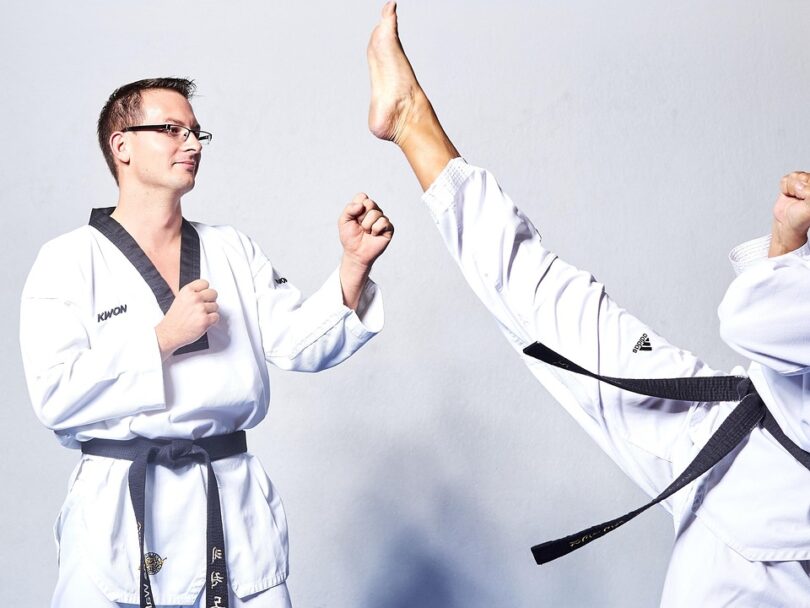


Taekwondo is not merely a form of martial arts characterized by its athletic kicks and swift punches; it embodies a philosophy, a discipline, and a way of life that teaches practitioners invaluable life skills such as respect, focus, and perseverance. Originating from Korea, Taekwondo has gained worldwide popularity, not only as a means of self-defense but also as an avenue for personal development.
The Historical Background
Taekwondo traces its roots back to ancient Korean martial arts, influenced by traditional Japanese karate and Chinese martial arts during the occupation of Korea by Japan. It formalized its own identity in the mid-20th century, campaigned for international recognition, and became an Olympic sport in 2000. This rich history is a testament to the art’s evolution and its significance in Korean culture.
More Than Just Kicks and Punches
While Taekwondo’s physical techniques, such as high kicks and rapid strikes, capture the attention of many, the art transcends mere physicality. Here’s a closer look at what makes Taekwondo an exceptional discipline:
1. Philosophy and Ethics
At its core, Taekwondo teaches that the martial art is not solely about fighting; it’s about self-discipline, integrity, perseverance, and respect for others. The traditional Tenets of Taekwondo—courtesy, integrity, perseverance, self-control, and indomitable spirit—are instilled in practitioners from the very beginning. These principles encourage individuals to develop character and become responsible members of society.
2. Mental and Spiritual Development
Taekwondo training emphasizes not only physical strength but also mental fortitude. Achieving a higher belt level requires dedication and mental focus, promoting goal-setting and the discipline required to reach those goals. Meditation and breath control, integral to Taekwondo, foster a calm mind and a positive inner spirit, leading to personal growth that transcends the dojo.
3. Community and Camaraderie
Joining a Taekwondo school fosters a sense of belonging. The bond formed between practitioners, known as the ‘Dojo family’, emphasizes teamwork and mutual respect. Participants support one another on their journeys, celebrating successes and helping each other through challenges. The collaborative atmosphere nurtures personal growth and fosters friendships that often last a lifetime.
The Physical Benefits
While Taekwondo is rich in philosophy, its physical benefits are significant as well. Regular training enhances physical fitness, flexibility, coordination, and balance. Fundamental movements improve cardiovascular health and muscle tone. Moreover, the practice of Taekwondo equips individuals with valuable self-defense skills, boosting confidence and providing peace of mind.
Taekwondo as an Olympic Sport
Having been included in the Olympic Games in 2000, Taekwondo has brought attention to the sport on a global scale. Athletes from diverse backgrounds compete at the highest levels, showcasing not only their physical prowess but also the values imparted by their training. The Olympics serves as an avenue for sharing Taekwondo’s philosophy and methodology with the world, inspiring countless individuals to take up the practice.
The Role of a Taekwondo Instructor
The relationship between a student and their instructor is vital in Taekwondo. Instructors are not merely teachers; they are mentors who guide students through their physical and mental training. A good instructor leads by example, exhibiting the ethics and values central to Taekwondo, and instilling in students the idea that mastery of oneself surpasses the mastery of physical techniques.
Conclusion
Taekwondo is undeniably more than a collection of kicks and punches; it is a profound and intricate art that merges physical discipline with mental fortitude and ethical principles. Whether one practices for self-defense, physical fitness, or personal growth, the benefits of Taekwondo extend far beyond the dojo. By embracing its philosophy, practitioners not only cultivate skills but also develop character, resilience, and respect, positively influencing their lives and the lives of those around them.
FAQs
1. What is the origin of Taekwondo?
Taekwondo originated in Korea and was influenced by ancient Korean martial arts, Japanese karate, and Chinese martial arts. It was formalized as a distinct martial art in the mid-20th century.
2. Can anyone practice Taekwondo?
Yes, Taekwondo is open to individuals of all ages and backgrounds. Many schools offer programs specifically designed for children, adults, and even seniors.
3. What are the benefits of practicing Taekwondo?
Practicing Taekwondo offers numerous benefits, including improved physical fitness, discipline, mental focus, self-confidence, and self-defense skills.
4. How long does it take to earn a black belt in Taekwondo?
The time it takes to achieve a black belt varies depending on the individual and the school. On average, it can take anywhere from 3 to 5 years of consistent training and dedication.
5. Is Taekwondo a good form of exercise?
Absolutely! Taekwondo is a full-body workout that can help improve strength, flexibility, and cardio health while also promoting mental well-being.