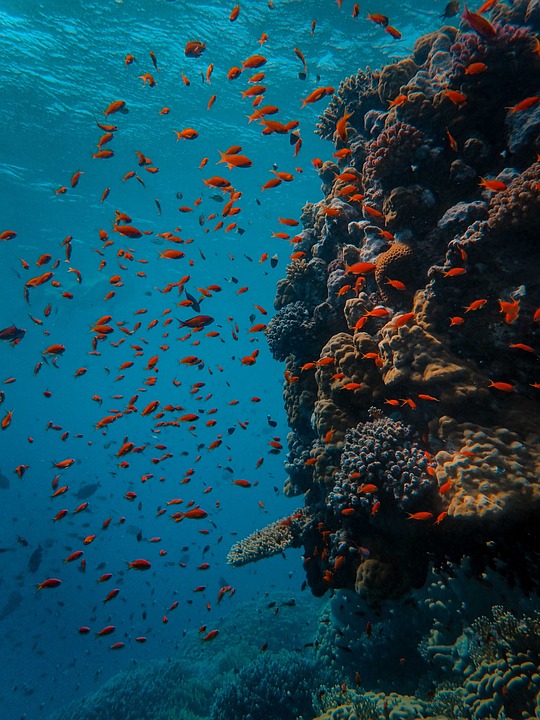


The underwater world is a realm of beauty and mystery, teeming with diverse life forms and ecosystems. Beneath the surface of oceans, seas, rivers, and lakes lies a hidden world where marvels await exploration. From the vibrancy of coral reefs to the depths of the ocean, the underwater realm is not just important for marine life, but also holds significant value for humanity. In this article, we will delve into some of the incredible wonders that lie beneath the water’s surface.
The Diversity of Marine Life
One of the most striking features of the underwater world is its diversity. Marine ecosystems are home to millions of species, many of which remain undiscovered. This includes everything from colorful fish to large mammals, unique invertebrates, and vibrant plant life. The following are some notable examples:
- Coral Reefs: Often referred to as the “rainforests of the sea,” coral reefs are bustling ecosystems that support a higher diversity of species than any other marine environment.
- Deep-Sea Creatures: Creatures such as the glowing anglerfish and the giant squid showcase the adaptations necessary to thrive in extreme conditions of darkness and pressure.
- Marine Mammals: Whales, dolphins, and seals are just a few examples of the fascinating mammals that roam the oceans. They possess unique behaviors and intelligence that continue to intrigue researchers.
The Importance of Marine Ecosystems
Marine ecosystems play a crucial role in maintaining the health of our planet. They contribute to climate regulation, support livelihoods, and provide essential resources. Here are a few key points illustrating their importance:
- Carbon Sequestration: Oceans absorb a significant amount of carbon dioxide, helping to mitigate climate change. Phytoplankton, tiny marine plants, are responsible for a substantial portion of this absorption.
- Oxygen Production: Marine plants, such as seagrass and algae, produce approximately 50% of the oxygen we breathe, a reminder of the interconnection between land and sea.
- Economic Value: Fisheries and tourism centered around marine environments contribute billions to economies worldwide, highlighting the need for sustainable practices.
Exploration and Discoveries
The exploration of underwater environments has been a significant aspect of marine science. Technological advancements have allowed scientists to study these regions extensively:
- Submersibles and ROVs: These vehicles enable researchers to explore the depths of the ocean, discovering new species and surveying underwater geology.
- Scuba Diving and Snorkeling: These activities have made underwater exploration accessible to the general public, promoting awareness and appreciation of marine ecosystems.
- Marine Reserves: Protected areas have been established to conserve marine biodiversity, allowing ecosystems to thrive and recover from human impact.
The Threats Facing Our Oceans
Despite the wonders of the underwater world, it faces numerous threats that jeopardize its health and sustainability. Human activities have significantly impacted marine environments:
- Pollution: Plastics, chemicals, and waste are contaminating ocean waters and harming marine life.
- Overfishing: Unsustainable fishing practices are depleting fish populations and disrupting the balance of marine ecosystems.
- Climate Change: Rising ocean temperatures and acidification are affecting coral reefs and marine species, leading to widespread bleaching events and habitat loss.
Conclusion
Exploring the underwater world reveals its extraordinary beauty and essential role in our planet’s ecosystem. As stewards of the Earth, it is imperative that we promote conservation efforts to protect these invaluable resources. Through education, sustainable practices, and joint initiatives, we can work towards a healthier ocean and a vibrant future for marine life. Every effort counts, and together, we can unveil the wonders lying beneath the surface while safeguarding them for generations to come.
FAQs
1. What is the best way to explore the underwater world?
The best ways to explore include scuba diving, snorkeling, and utilizing advanced technology like submersibles and remotely operated vehicles (ROVs).
2. What are some threats to marine life?
Key threats include pollution, overfishing, climate change, and habitat destruction, all of which impact the health of marine ecosystems.
3. How can I help protect the oceans?
You can help by reducing plastic use, supporting sustainable seafood, participating in beach clean-ups, and educating others about ocean conservation.
4. Why are coral reefs important?
Coral reefs support diverse marine life, protect coastlines from erosion, and provide resources for fishing and tourism, being vital ecosystems for our planet.
5. Are there still undiscovered species in the ocean?
Yes, scientists estimate that a significant number of marine species remain undiscovered, particularly in the deep sea and remote areas.