

In recent years, faux fur has gained a significant foothold in the fashion industry as a sustainable alternative to real fur. Increasing awareness about animal welfare and environmental conservation has led consumers to reconsider their choices. This article delves into the rise of faux fur, examining its benefits, the technology behind it, and the impact it has on the fashion industry and the environment.
Understanding Faux Fur
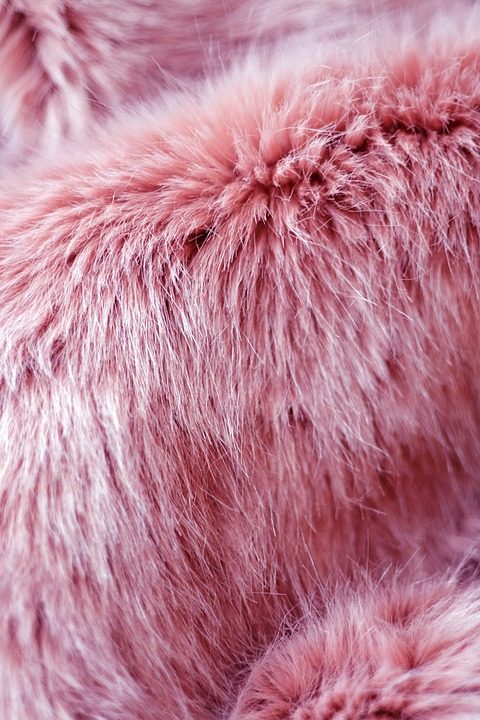
Faux fur, also known as fake fur or synthetic fur, is a textile designed to resemble real animal fur. It is primarily made from synthetic materials, such as acrylic, polyester, and modacrylic. Originally introduced in the early 20th century, advancements in technology have significantly improved the quality and appearance of faux fur, making it more lifelike and appealing to consumers.
The Ethical Shift in Fashion
As society becomes more conscious of ethical considerations regarding animal rights, many consumers are actively seeking alternatives to real fur. The fur industry has faced backlash for its treatment of animals, prompting a shift in consumer behavior. Notable celebrities and influencers have publicly declared their stance against fur, further driving the popularity of faux fur.
- Animal Rights: Many brands are now promoting faux fur as a cruelty-free alternative, ensuring that no animals are harmed in the production process.
- Celebrity Advocacy: Outspoken figures such as Ellen DeGeneres and advocacy groups like PETA have pushed for a fur-free industry, leading consumers to choose ethical options.
The Environmental Impact
The environmental impact of fashion is increasingly becoming a focal point for consumers. The real fur industry has been criticized for its detrimental effects on the environment, including habitat destruction and pollution from animal farming practices. In contrast, faux fur presents several environmental advantages:
- Less Land Use: Faux fur production requires significantly less land compared to raising animals for real fur, helping to conserve natural habitats.
- Innovation in Materials: Some faux furs are now being made from recycled materials, further reducing the industry’s carbon footprint.
- Water Consumption: The production of real fur often involves extensive water use and pollution. Faux fur typically requires less water, making it a more sustainable choice.
Technological Advances in Faux Fur
Modern technology has played a pivotal role in the evolution of faux fur. The introduction of advanced fibers and production techniques has greatly improved the texture, durability, and aesthetic appeal of faux fur products. Some notable advancements include:
- Microfibers: Utilizing microfibers allows designers to create softer and more luxurious faux fur that closely mimics the look and feel of real animal fur.
- 3D Printing: Emerging technologies like 3D printing are being explored to produce custom faux fur textiles, further enhancing design possibilities.
- Eco-Friendly Alternatives: Some brands are exploring biodegradable and sustainable materials, striving for a closed-loop production cycle.
The Fashion Industry’s Response
The fashion industry is increasingly adapting to consumer demand for sustainability. Major brands and retailers are incorporating faux fur into their collections, signaling a critical shift away from real fur. Noteworthy brands embracing this change include:
- Stella McCartney: A pioneer in eco-conscious fashion, McCartney has long advocated for faux fur and has stopped using animal products entirely.
- Gucci: The high-end fashion brand announced a ban on fur in 2017, opting for faux alternatives in their collections.
- H&M: The retail giant has committed to sustainable practices and includes faux fur in many of its seasonal offerings.
Conclusion
As the movement toward ethical fashion continues to grow, faux fur stands out as a viable and sustainable alternative to real fur. Its benefits, ranging from reduced environmental impact to ethical production methods, resonate with a growing audience of conscientious consumers. With ongoing technological advancements and a shift in consumer preferences, the future of faux fur looks promising, paving the way for a more sustainable fashion industry.
FAQs
1. Is faux fur really more sustainable than real fur?
While both have environmental impacts, faux fur typically has a smaller carbon footprint, especially when made from recycled materials. However, it’s important to consider the entire lifecycle of the product.
2. How can I tell if a fur is faux or real?
Faux fur generally has a uniform texture, while real fur may have variations. Additionally, faux fur is lighter and may have a label indicating it as “synthetic” or “acrylic.”
3. Is faux fur less durable than real fur?
Faux fur can vary in durability depending on the quality. High-quality faux fur is often quite durable, but it may not last as long as premium real fur if not cared for properly.
4. Can faux fur be recycled?
While traditional faux fur is not biodegradable, some brands are now producing eco-friendly alternatives that can be recycled. Always check the product details for specific recycling options.
5. Where can I buy high-quality faux fur products?
High-quality faux fur can be found at various retailers, both online and in-store. Brands like Stella McCartney, Gucci, and H&M offer stylish options.