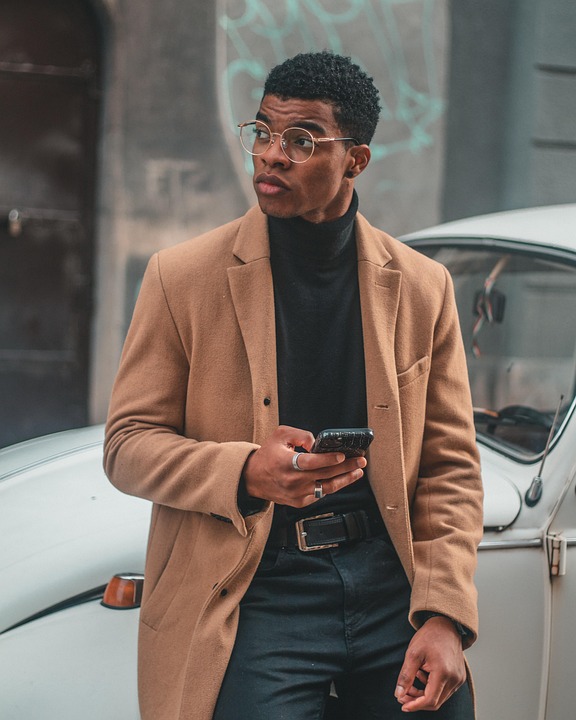


Fashion design has undergone significant transformations throughout history, reflecting shifts in culture, technology, and social norms. From the lavish creations of haute couture to the vibrant expressions found in street style, the evolution of fashion is a fascinating journey that tells us much about the human experience.
Haute Couture: The Pinnacle of Fashion
Haute couture, which translates to “high sewing,” originated in mid-19th century Paris. Designers like Charles Frederick Worth are credited with establishing the foundational principles of bespoke tailoring, creating exquisite garments tailored specifically for individual clients. This exclusivity and artistry made haute couture a symbol of luxury and status.
In the 20th century, the fashion house gained prominence as a venue where creativity and craftsmanship flourished. Iconic designers such as Coco Chanel, Christian Dior, and Yves Saint Laurent expanded the realm of what fashion could be. Chanel revolutionized women’s fashion by introducing more functional and comfortable designs, moving away from the restrictive garments that characterized earlier periods. Dior’s “New Look” in 1947 redefined femininity, emphasizing an hourglass silhouette that dominated the post-war era.
The Rise of Ready-to-Wear
As the demand for fashion grew among the masses, the ready-to-wear (RTW) industry emerged in the 1960s. The convenience and affordability of RTW led to a democratization of fashion, allowing people from various socio-economic backgrounds to access stylish attire. Designers such as Pierre Cardin and André Courrèges capitalized on this movement, creating collections that spoke to a younger, more dynamic audience.
With the introduction of fashion weeks in cities like New York, London, Milan, and Paris, designers began to showcase their collections to a global audience. This expanded the influence of fashion beyond elite circles, stimulating creativity across the industry and leading to new trends that would capture the zeitgeist of different eras.
The 1980s and 1990s: Fashion as Self-Expression
The 1980s and 1990s marked a shift in fashion as individuals began to use clothing as a form of self-expression. Influential designers like Gianni Versace and Jean-Paul Gaultier embraced bold colors, exaggerated silhouettes, and a mix of styles that challenged traditional norms. The use of fashion in music culture, seen through the styles of artists like Madonna and Prince, further cemented the idea that clothing could convey personal identity and rebellion.
The Emergence of Street Style
Street style began to gain traction in the late 1990s and early 2000s, fueled by the rise of youth subcultures and the internet. Fashion blogs and social media platforms became arenas for creatives to showcase their unique styles, often blending high fashion with everyday wear. This influx of inspiration from the streets led to the acceptance of a more casual and eclectic approach to fashion.
Brands like Supreme and Off-White gained prominence by marrying streetwear with high fashion sensibilities. Collaborations between high-fashion designers and streetwear labels blurred the lines, creating a new category where exclusivity met accessibility. Sneakers became fashion statements, and layering became an art form as individuals sought to express their individuality through diverse influences.
Technological Impact on Fashion
The evolution of technology has also profoundly impacted fashion design. The rise of 3D printing, virtual reality, and artificial intelligence is revolutionizing how garments are produced and marketed. Designers now have the tools to experiment with materials and designs in ways that were previously unimaginable.
Moreover, the era of sustainability has influenced modern fashion design, prompting designers to rethink their practices and materials. Eco-friendly fabrics and ethical production processes are becoming more mainstream, demonstrating a shift in consumer awareness towards sustainability.
Conclusion
The journey of fashion design from haute couture to street style is a testament to the dynamic nature of human creativity and expression. As we move forward, fashion will continue to evolve, reflecting the cultural and societal changes that shape our world. The interplay between luxury and accessibility, tradition and innovation will define the future landscape of fashion.
Frequently Asked Questions (FAQs)
What is haute couture?
Haute couture refers to high-end fashion design and production that is custom-fitted for individual clients, often showcasing exquisite craftsmanship and luxurious materials.
How did street style impact the fashion industry?
Street style introduced a more casual and diverse approach to fashion, allowing individuals to express their unique identities and preferences. It paved the way for the integration of high fashion with everyday clothing.
What role does technology play in modern fashion design?
Technology is revolutionizing fashion design through advancements like 3D printing and virtual reality, enabling designers to innovate in materials and construction while also promoting more sustainable practices.
Who are some key figures in fashion history?
Iconic designers such as Coco Chanel, Christian Dior, Gianni Versace, and more have left a significant mark on the evolution of fashion, influencing styles across generations.