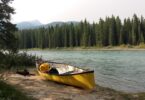
When it comes to sports fishing, the thrill of reeling in a big fish can be one of the most exhilarating experiences one can have. However, this endeavor requires a combination of skill, knowledge, and patience. Here, we present essential tips that will guide both beginners and seasoned anglers towards successful fishing excursions.
Understanding Your Environment
Before casting your line, it’s vital to understand the environment in which you’re fishing. Each body of water has its unique ecosystem that influences fish behavior.
Research Local Species
- Investigate which species are prevalent in the area you plan to fish.
- Learn about their feeding habits and preferred habitats.
Water Conditions
- The temperature, clarity, and current can significantly affect fishing success.
- Fish are often more active during dawn and dusk, as well as during specific weather conditions like before a storm.
Choosing the Right Equipment
Your fishing success is largely determined by the equipment you use. Here’s a breakdown of what you need:
Rod and Reel
- Choose a rod that suits the fish size and type you are targeting.
- Make sure your reel can handle the line weight and strength necessary for hooking big catches.
Fishing Line
- Use braided lines for strength or fluorocarbon for invisibility.
- Ensure the line test is appropriate for the species you are targeting.
Hooks and Bait
- Select hooks that are suitable for the size of the fish you’re aiming to catch.
- Experiment with different types of bait, such as live bait, lures, or flies, to see what works best.
Mastering Techniques
While having the right equipment is essential, mastering techniques is equally important. Here are some fundamental techniques to enhance your chances of success:
Casting Techniques
- Practice your casting to ensure accuracy and distance.
- A sidearm cast can allow for better control and placement.
Retrieval Methods
- Adjust your retrieval speed based on the species and conditions.
- Incorporate pauses and twitches to mimic the movement of prey.
Be Patient and Observant
Fishing is not just about casting and reeling; it’s also a waiting game. Patience goes a long way:
Pay Attention to Signs
- Look for surface activity such as jumping fish or feeding birds.
- Notice any disturbances in the water that could indicate fish presence.
Stay Aware of Other Anglers
- Observe what other successful anglers are doing.
- Don’t hesitate to ask for advice or tips from experienced local fishermen.
Weather and Timing
The right weather can significantly impact your fishing success:
Optimal Conditions
- Overcast days may provide better fishing conditions as fish are less cautious.
- Wind can help enhance surface disturbances, attracting fish.
Seasonal Considerations
- Different species are more active during certain seasons; for example, trout are often more active during the spring.
- Research peak fishing times for the species you are targeting.
Conclusion
Reeling in the big one requires a combination of preparation, technique, and patience. By understanding your environment, choosing the right equipment, mastering various techniques, and keeping an eye on conditions, you can significantly improve your success rates. Remember that fishing is not just about catching fish; it’s about enjoying nature, camaraderie, and the thrill of the chase.
FAQs
1. What is the best time of day to go fishing?
Early morning and late evening are often considered the best times as fish are more active during these periods.
2. Do I need a fishing license?
Yes, most regions require a fishing license, so be sure to check local regulations before heading out.
3. What type of bait is best for beginners?
Using live bait like worms or minnows is often effective for beginners as they attract a variety of fish.
4. How do I know if I have a bite?
Pay attention to your line tension; a sudden jerk or steady pull usually indicates a fish is nibbling or has taken the bait.
5. What should I do if I catch a fish?
Handle it carefully, remove the hook gently, and follow local guidelines on whether to keep or release it.