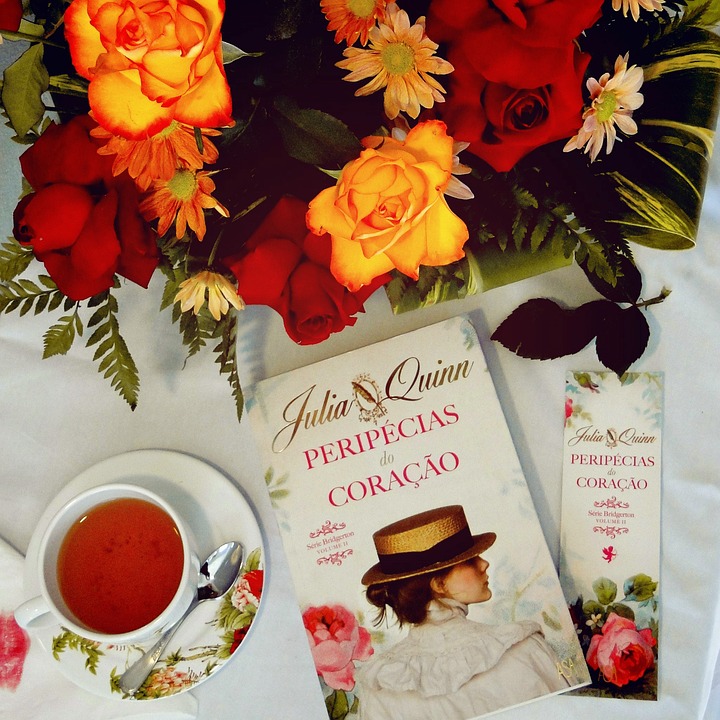


Regency romance has captured the hearts of countless readers for centuries, blending intricate societal norms with passionate love stories. Netflix’s adaptation of Julia Quinn’s best-selling novels, “Bridgerton,” has revitalized interest in this beloved genre, introducing a new audience to the charm and allure of Regency-era England.
The Regency Era: A Brief Overview
The Regency period, spanning from 1811 to 1820, was characterized by significant cultural, political, and social evolution in Britain. It marked the time when the Prince of Wales, later George IV, acted as regent for his father, King George III. Fashion flourished, the arts thrived, and the class system defined social interactions.
During this time, social gatherings and balls were significant, providing a backdrop for courtship and romance. The ideals of love, marriage, and reputation played a crucial role in the lives of individuals, especially women, whose futures were often dictated by marital choices.
The Charm of Bridgerton
What sets “Bridgerton” apart from other Regency romances is its vibrant portrayal of societal dynamics and its modern sensibility. The series combines traditional elements of romance with contemporary themes, making it relatable to today’s audience. This amalgamation creates an engaging narrative that appeals to a diverse demographic.
Character Depth and Development
The characters in “Bridgerton” are richly developed, each with their own unique backgrounds, aspirations, and flaws. The series showcases the struggles women face when navigating a patriarchal society while highlighting their resilience and independence. Characters like Daphne Bridgerton and Simon Basset offer a glimpse into the complexities of love, societal expectations, and personal growth.
Diversity and Representation
One of the groundbreaking aspects of “Bridgerton” is its diverse casting, challenging the traditional portrayal of Regency society. The inclusion of characters from various backgrounds provides a fresh perspective on love and relationships, showcasing that romance transcends race and class.
The Visual Splendor of Bridgerton
Visually, “Bridgerton” is a feast for the senses. The opulent costumes, lush sets, and breathtaking ballrooms immerse viewers in the elegance and extravagance of the Regency period. The series masterfully balances visual aesthetics with narrative depth, creating a captivating viewing experience.
Cinematic Style and Music
The use of contemporary music in “Bridgerton” adds another layer of attraction. Strings cover modern pop songs, bridging the gap between past and present and creating a unique soundtrack that resonates with audiences. This innovative approach not only enhances the viewing experience but also allows viewers to connect with the characters on a more personal level.
Thematic Elements: Love and Social Expectations
At its core, “Bridgerton” explores themes of love, desire, and social expectation. The tension between personal desires and societal obligations creates engaging narratives that resonate with viewers. Characters are often faced with choices that challenge their beliefs about love and marriage, leading to moments of introspection and growth.
Marriage and Reputation
Marriage within the Regency context is often depicted as a transaction, where love and affection take a backseat to status and wealth. The series delves into this complex dynamic, showcasing how characters either conform to or rebel against societal expectations in pursuit of genuine love.
Conclusion
The allure of “Bridgerton” lies not only in its romantic narratives and aesthetic beauty but also in its ability to tackle contemporary issues within a historical framework. The series invites viewers into a world where love, ambition, and social responsibility intertwine, making it a timeless exploration of human relationships. As the Bridgerton saga continues to unfold, it promises to keep audiences entranced by its blend of tradition and modernity.
FAQs
A: “Bridgerton” is based on a series of novels by Julia Quinn, set during the Regency era in England, focusing on the lives and loves of the Bridgerton family.
A: The main characters include Daphne Bridgerton, Simon Basset, Anthony Bridgerton, and Penelope Featherington, among others.
A: Its blend of romance, drama, modern sensibilities, stunning visuals, and diverse representation has captivated a wide audience, making it a cultural phenomenon.
A: While “Bridgerton” is inspired by real historical elements, it takes creative liberties for the sake of storytelling and entertainment.