


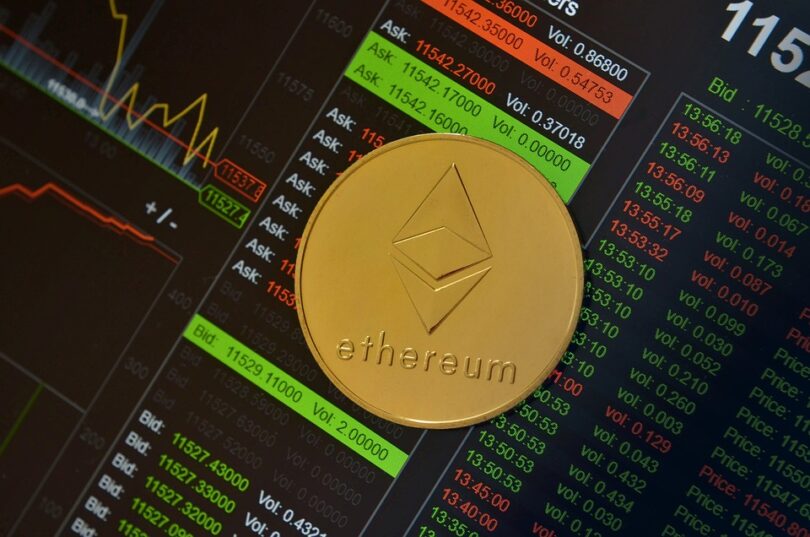


In the digital age, we are witnessing a profound transformation in the way businesses operate. The rise of blockchain technology has introduced a new paradigm of trustless transactions through the use of smart contracts. These self-executing contracts with the rules of the agreement directly written into code are not just a technological advancement, but a fundamental shift in contract management. In this article, we will explore the concept of smart contracts, their applications, benefits, and the challenges they present, ultimately illustrating how they are revolutionizing business transactions.
What Are Smart Contracts?
Smart contracts are digital protocols that facilitate, verify, and enforce the negotiation or performance of a contract. They are run on blockchain networks, which provide a decentralized and immutable ledger. This means that once a smart contract is deployed, it cannot be altered, ensuring that the terms of the contract are executed exactly as programmed.
The Mechanics Behind Smart Contracts
The concept of smart contracts was first introduced by Nick Szabo in the 1990s, but it gained traction with the advent of Ethereum in 2015, which enabled developers to create decentralized applications (dApps) with smart contracts. These contracts use if-then statements, where certain conditions must be met for the contract to execute. For instance, in a property sale, a smart contract could automatically transfer ownership once payment is confirmed. This eliminates the need for intermediaries, such as lawyers or notaries, and accelerates the transaction process.
Applications of Smart Contracts in Business
1. Supply Chain Management
Smart contracts can streamline supply chain operations by automating processes. They enable real-time tracking of goods, ensuring transparency and accountability in logistics. Companies can monitor the movement of products, and once goods are delivered, payment can be automatically triggered based on predefined conditions, reducing delays and disputes.
2. Financial Services
In the financial sector, smart contracts can transform how loans, insurance, and other services are provided. They can automate claims processing, ensure compliance with regulations, and facilitate quicker loan approvals by relying on predetermined criteria that are verified on the blockchain.
3. Real Estate
The real estate industry can benefit immensely from smart contracts. By automating transactions like property sales, leases, and titles, these contracts reduce the time and cost associated with buying and selling property. Additionally, they improve transparency, as all transactions are recorded on the blockchain and can be easily audited.
4. Digital Identity Verification
Smart contracts can also play a role in managing digital identities. Through decentralized identifiers (DIDs), individuals can control their personal information and consent to share specific details with businesses. This reduces the potential for identity theft and ensures that only accurate, up-to-date information is used.
Benefits of Smart Contracts
1. Enhanced Security
Smart contracts operate on a blockchain, which is inherently secure due to its decentralized and cryptographic nature. This makes them less susceptible to fraud and hacking compared to traditional contract management systems.
2. Cost Efficiency
By eliminating intermediaries, smart contracts can significantly reduce transaction costs. Businesses save on legal fees, administrative costs, and the time spent navigating complex bureaucratic processes.
3. Speed and Efficiency
Smart contracts execute automatically when conditions are met, leading to faster transaction processing. In industries where time is of the essence, this efficiency can provide a competitive edge.
4. Transparency
All transactions executed through smart contracts are recorded on the blockchain, creating an immutable and publicly accessible ledger. This fosters trust among parties, as everyone has access to the same information.
Challenges and Limitations
1. Legal Recognition
One of the main challenges facing smart contracts is the lack of legal recognition in many jurisdictions. Traditional legal systems need to catch up with this technology to ensure that smart contracts are enforceable.
2. Complexity of Code
The effectiveness of a smart contract wholly depends on the code written within it. Bugs or errors can lead to significant financial losses, and as such, rigorous testing and audit processes are essential.
3. Scalability Issues
As transactions increase, blockchain networks can become congested, leading to delays and increased fees. This scalability issue must be addressed for widespread adoption.
Conclusion
Smart contracts represent a revolutionary development in business transactions, offering enhanced security, improved efficiency, and reduced costs. While challenges remain, the potential benefits far outweigh the drawbacks, making them an attractive option for modern businesses. As legal systems evolve to recognize these digital agreements, and as technology advances to overcome current limitations, we are likely to see smart contracts become an integral part of global commerce.
FAQs
1. What are the main benefits of using smart contracts?
Smart contracts offer enhanced security, cost efficiency, speed, and transparency in business transactions.
2. Are smart contracts legally binding?
The legal status of smart contracts varies by jurisdiction. Some areas are beginning to recognize them, while others have yet to establish legal frameworks.
3. What industries are using smart contracts?
Industries such as supply chain management, finance, real estate, and digital identity verification are increasingly adopting smart contracts.
4. Can smart contracts be modified after deployment?
No, once deployed, smart contracts cannot be altered as they are intended to provide a secure and immutable agreement.
5. What is the future of smart contracts?
The future of smart contracts is promising, with ongoing innovations and increasing mainstream adoption expected to shape the way businesses operate.


