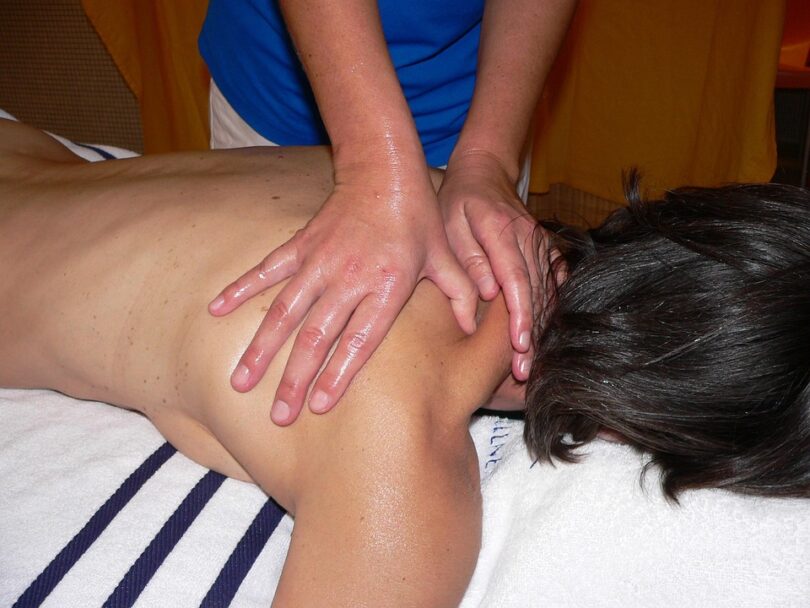


Sports massage has become an integral part of athletic training, recovery, and performance enhancement. Recognized for its ability to improve muscle function and alleviate soreness, sports massage blends the art of touch with the science of physiology. Understanding the underlying mechanisms can help athletes, coaches, and fitness enthusiasts appreciate the value of this practice.
The Anatomy of Sports Massage
Sports massage is tailored to an individual’s specific needs, often focusing on areas that experience heightened tension and stress during physical activity. It employs various techniques, including effleurage, petrissage, friction, and tapotement. Each method serves a unique purpose:
- Effleurage: Light, sweeping strokes that warm up the muscles and improve circulation.
- Petrissage: Kneading movements that help release muscle tension and improve flexibility.
- Friction: Deep pressure applied to specific areas to break down adhesions and soreness.
- Tapotement: Rhythmic tapping that stimulates the muscles and nerves.
The Physiological Benefits
Research indicates that sports massage has several physiological benefits that contribute to improved athletic performance:
1. Enhanced Blood Circulation
One of the primary benefits of sports massage is increased blood flow, which is essential for delivering nutrients and oxygen to muscles. Enhanced circulation also aids in the removal of metabolic waste products, such as lactic acid, which can accumulate during vigorous activity.
2. Reduced Muscle Tension
Muscle tension often results from strenuous exercise and can lead to discomfort and impaired performance. Sports massage helps to alleviate this tension by breaking down knots in muscles and promoting relaxation. As a result, athletes can experience greater flexibility and range of motion.
3. Pain Management
Many athletes experience pain associated with intense training and competition. Evidence shows that sports massage can help reduce both acute and chronic pain. By triggering the release of endorphins—natural pain-relieving chemicals in the body—massage can enhance overall comfort and well-being.
4. Improved Recovery
After intense physical activity, recovery becomes critical. Sports massage expedites recovery by reducing inflammation and muscle soreness, commonly referred to as Delayed Onset Muscle Soreness (DOMS). This expedited recovery gives athletes the ability to train more consistently and effectively.
The Psychological Advantages
In addition to the physiological benefits, sports massage also offers psychological advantages that can unlock an athlete’s potential:
1. Stress Reduction
Stress can negatively impact athletic performance. Sports massage lowers levels of cortisol, the stress hormone, while elevating serotonin and dopamine, improving mood and mental clarity. This positive mental state can enhance focus during training and competition.
2. Enhanced Mind-Body Connection
Sports massage encourages athletes to develop a greater awareness of their bodies. This heightened connection allows for more mindful training, helping athletes better understand their limits and needs. Such awareness fosters adaptability in both training and competitive scenarios.
Practical Applications for Athletes
Athletes should consider integrating sports massage into their training regimen for optimal performance. Here are some practical guidelines:
- Pre-Event Massage: A light sports massage before events can warm up muscles and improve circulation, preparing the body for optimal performance.
- Post-Event Recovery: Post-event massage focusing on critical muscle groups helps to reduce soreness and promote quicker recovery.
- Regular Maintenance: Regular sessions can help to identify and address muscle imbalances or potential injuries before they become significant issues.
Conclusion
Sports massage is more than a luxury; it serves as a vital component in an athlete’s journey towards improved performance and well-being. With its myriad of physiological and psychological benefits, it’s clear that the science behind sports massage positions it as an essential tool in optimizing athletic performance. For athletes of all levels, incorporating sports massage can unlock not just physical potential but overall mental resilience.
FAQs
1. How often should I get a sports massage?
The frequency of sports massage depends on your training schedule and individual needs. Many athletes benefit from a session every 1-2 weeks, with more frequent sessions close to competitions.
2. Is sports massage painful?
Sports massage can involve deep tissue techniques that may cause discomfort. However, it should not be painful. Communication with your therapist about your comfort level is essential.
3. Can beginners benefit from sports massage?
Absolutely! Beginners can experience significant benefits from sports massage, including improved flexibility, reduced stress, and quicker recovery from workouts.
4. Can sports massage treat injuries?
While sports massage can aid in recovery and help alleviate some symptoms of injuries, it should complement medical treatment and not replace it. Always consult with a healthcare professional for injury management.
5. What should I expect during my first sports massage?
During your first appointment, your therapist will assess your needs and discuss your goals. You’ll then typically experience a combination of techniques tailored to address tension and promote relaxation.