

As an athlete, having the right accessories can make a significant difference in your performance, comfort, and overall experience. Whether you’re a professional or a recreational athlete, investing in quality sports accessories can enhance your training routine and help you achieve your goals. Here, we present the top 10 must-have sports accessories that every athlete should consider.
1. Durable Water Bottle
Staying hydrated is crucial for peak performance. A durable water bottle not only ensures you have access to water during training but also keeps your drinks cold or hot for hours. Look for bottles made from stainless steel or BPA-free plastic, and consider those with built-in filters for added convenience.
2. Quality Sports Shoes
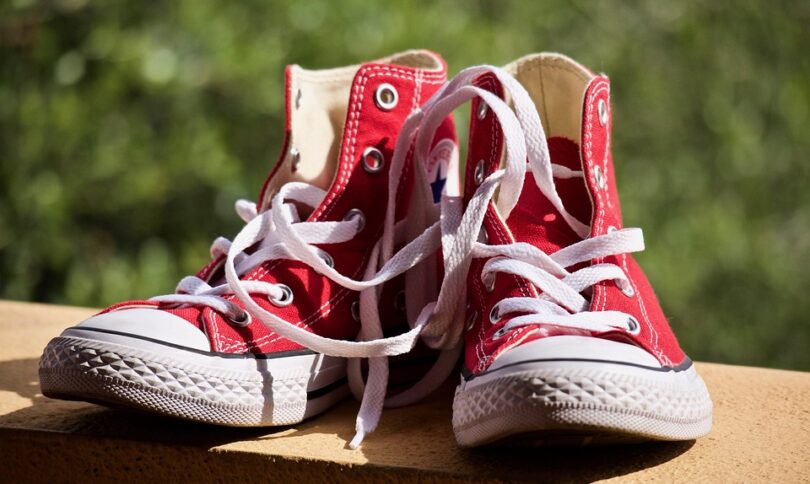
The backbone of any athlete’s gear is their footwear. Invest in shoes that cater specifically to your sport, such as running shoes for runners or court shoes for basketball players. Quality shoes provide support, cushion, and stability, which can prevent injuries and enhance performance.
3. Compression Wear
Compression clothing, such as sleeves, shorts, or tops, can aid in muscle recovery and improve blood circulation. These garments are designed to fit snugly against your skin, offering support while you train and helping to reduce fatigue during extended workouts.
4. Fitness Tracker
Fitness trackers are great for monitoring your performance and progress. They can track metrics such as heart rate, calorie burn, steps taken, and even sleep quality. Choosing a fitness tracker with GPS functionality can help you map your runs or rides, providing insightful data on your training regimen.
5. High-Quality Sports Bag
A reliable sports bag is essential for transporting your gear to and from workouts or competitions. Look for bags with multiple compartments for organization, water-resistant material, and comfortable straps. This piece of equipment can streamline your pre- and post-workout routines.
6. Training Mat
A cushioned training mat is essential for workouts that include stretching, yoga, or floor exercises. It provides a non-slip surface and extra padding for comfort during your training sessions. Choose a mat made of eco-friendly materials for a more sustainable option.
7. Sports Watch
A sports watch can serve multiple functions, from basic timekeeping to advanced monitoring capabilities. Many sports watches feature GPS, interval timers, and waterproof designs. These watches are particularly beneficial for runners, swimmers, and cyclists, allowing them to keep track of their performance data in real-time.
8. Resistance Bands
Resistance bands are versatile tools that can enhance strength training and rehabilitation exercises. They are portable, making them perfect for use at home or on the go. Incorporating resistance bands into your workout can improve flexibility, strength, and muscle endurance.
9. Headphones
Music can be a powerful motivator during workouts. Investing in a good pair of wireless headphones can enhance your training experience by providing the tunes you love without the hassle of tangled wires. Look for sweat-resistant and secure-fitting options to ensure they stay in place while you move.
10. Personal First Aid Kit
Injuries can happen anytime, even during routine workouts. Having a personal first aid kit readily accessible can help you address minor injuries or skin irritations promptly. Stock your kit with items like adhesive bandages, antiseptics, and elastic bandages to be prepared for any situation.
Conclusion
Equipping yourself with the right accessories can profoundly impact your athletic performance and enjoyment. From hydration essentials to recovery aids and performance trackers, each item serves to enhance your training experience. By investing in high-quality sports accessories, you set yourself up for success in your athletic pursuits. Choose the accessories that best fit your needs, and watch your performance improve as you train smarter and more effectively.
FAQs
1. What are the best shoes for running?
The best shoes for running depend on your foot type, running style, and the terrain you’ll be running on. It’s recommended to visit a specialized running store for a fitting and recommendations based on your specific needs.
2. How often should I replace my sports shoes?
As a general rule, you should replace your sports shoes every 300-500 miles of running or after 6 months of regular use, whichever comes first. Signs of wear include flattened cushioning and worn-down tread.
3. Can I use resistance bands for rehabilitation?
Yes, resistance bands are often used in rehabilitation programs due to their versatility and ability to provide gradual resistance during strength training exercises. Consult a healthcare professional for guidance on appropriate exercises.
4. Do I really need a fitness tracker?
While not essential, a fitness tracker can provide valuable insights into your activity levels, helping to motivate and guide your training. Whether you choose to use one depends on your personal fitness goals.
5. What should I include in my personal first aid kit?
A personal first aid kit should include adhesive bandages, antiseptic wipes, gauze pads, elastic bandages, pain relievers, and any personal medications. Customize it based on your athletic activities and needs.