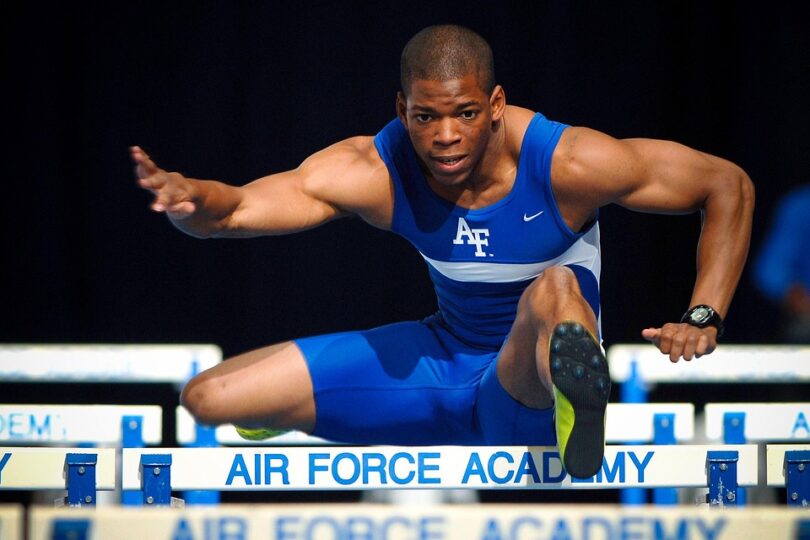


The Rise of Sports Academies
In recent years, sports academies have emerged as vital institutions in nurturing young athletic talent. These academies provide structured training environments that help young athletes refine their skills, learn the fundamentals of their respective sports, and develop the mental acuity necessary for success. With a growing interest in professional sports and a surge in athletic events such as the Olympics and World Championships, the demand for comprehensive training programs is at an all-time high.
These academies often bridge the gap between passion and profession, allowing aspiring athletes to pursue their dreams while receiving quality education and competitive coaching. Moreover, with advancements in technology, sports science, and nutrition, the quality of training offered has never been better.
Choosing the Right Academy
Selecting a sports academy is a critical decision for young athletes and their families. Several factors should be considered to ensure the academy aligns with the athlete’s goals:
1. Expertise and Qualifications of Coaches
A fundamental aspect of any sports academy is the coaching staff. Prospective athletes should look for academies that employ experienced, certified coaches who have a proven track record in their respective sports. The expertise of the coaching staff is crucial for developing athletes’ skills and understanding the nuances of the sport.
2. Facilities and Resources
Quality training facilities are essential for effective practice sessions. Athletes should evaluate the available resources, such as gyms, training fields, and access to specialized equipment. The right environment can significantly impact an athlete’s performance and development.
3. Curriculum and Training Philosophy
Every academy has a unique curriculum and training philosophy. It is important to understand how these align with the athlete’s personal development goals. Some academies focus on intensive training, while others might balance sports training with academics, ensuring a holistic approach to development.
The Role of Academics
Sports academies often stress the importance of education alongside athletic training. Young athletes must understand that while their passion for sports might lead them to pursue a professional career, a solid educational foundation is equally critical for both personal and professional growth.
Many sports academies integrate academic programs into their structure, ensuring that students maintain their studies while honing their athletic skills. This approach prepares them for a dual career, providing options for those who may not transition into professional sports.
Challenges Faced by Young Athletes
Transitioning from a passion for sports to a professional career is often fraught with challenges. Young athletes face immense pressure to perform, which can lead to stress and burnout.
1. Balancing Training and Life
Managing the demands of intensive training schedules along with academic responsibilities and social life can be incredibly challenging. Athletes must develop effective time management skills to navigate these competing demands.
2. Financial Considerations
Enrolling in a sports academy often involves significant financial investments. Families need to assess their ability to support such costs and explore potential sponsorships, scholarships, or financial aid opportunities.
3. Mental Health Awareness
The pressure to excel can take a toll on an athlete’s mental health. It’s crucial for sports academies to incorporate mental health resources and support systems, providing athletes with tools to manage stress, anxiety, and other mental health issues effectively.
Conclusion
The journey from passion to profession in the realm of sports can be both exhilarating and challenging. Sports academies play a pivotal role in this journey by providing structured training, valuable resources, and an environment that fosters skill development and personal growth. However, it’s essential for athletes and their families to carefully evaluate their options, considering factors such as coaching expertise, facilities, and academic support. Navigating this path requires dedication and resilience, but with the right support, young athletes can turn their dreams into reality.
FAQs
1. How do I choose the right sports academy for my child?
Consider factors like coaching quality, facilities, training philosophy, and academic support. Visit different academies, talk to coaches, and look for reviews from current or former students.
2. What is the cost of enrolling in a sports academy?
Costs can vary significantly depending on the location, facilities, and training programs offered. It’s best to research multiple options and consider scholarships or financial aid.
3. Can attending a sports academy guarantee a professional career?
While a sports academy can provide the necessary training and resources, there are no guarantees. Success in professional sports also depends on talent, hard work, and sometimes, a bit of luck.
4. Are there age limits for enrolling in sports academies?
Most sports academies accept athletes from a young age, often starting as early as 7 years old. However, each academy may have its guidelines, so it’s recommended to check with them directly.
5. How important is mental health support in sports academies?
Mental health support is essential; it helps athletes cope with the pressures of training and competition. Academies that provide mental health resources can significantly benefit their students’ overall well-being.