

Creating a home gym can be a game-changer for your fitness journey. It provides convenience, privacy, and the freedom to exercise at your own pace. However, selecting the right gym equipment can be overwhelming, given the plethora of options available in the market. This guide will help you make informed decisions based on your fitness goals, space, and budget.
1. Assess Your Fitness Goals
Before purchasing any equipment, consider your fitness objectives. Different machines and tools cater to distinct goals such as muscle building, endurance training, or weight loss. Ask yourself the following:
- Are you aiming to lose weight, build muscle, or improve your overall fitness?
- Do you prefer strength training, cardio, or a combination of both?
- Are you training for a specific event, like a marathon or bodybuilding competition?
2. Determine Your Space
Space is a crucial factor in selecting gym equipment. Consider the following:
- Measure the area where you plan to set up your gym.
- Factor in the space needed for movement and additional gear.
- Consider vertical space if you’re looking into multi-functional equipment.
3. Set a Budget
Creating a budget will help guide your choices. Home gym equipment can range from affordable to high-end. Here’s a general breakdown:
- Under $500: Resistance bands, dumbbells, yoga mats.
- $500 – $1500: Adjustable benches, elliptical machines, stationary bikes.
- Over $1500: High-end treadmills, multi-station weight machines.
4. Choose Essential Gym Equipment
When selecting equipment, focus on versatility and functionality. Here are some key pieces to consider:
4.1 Free Weights
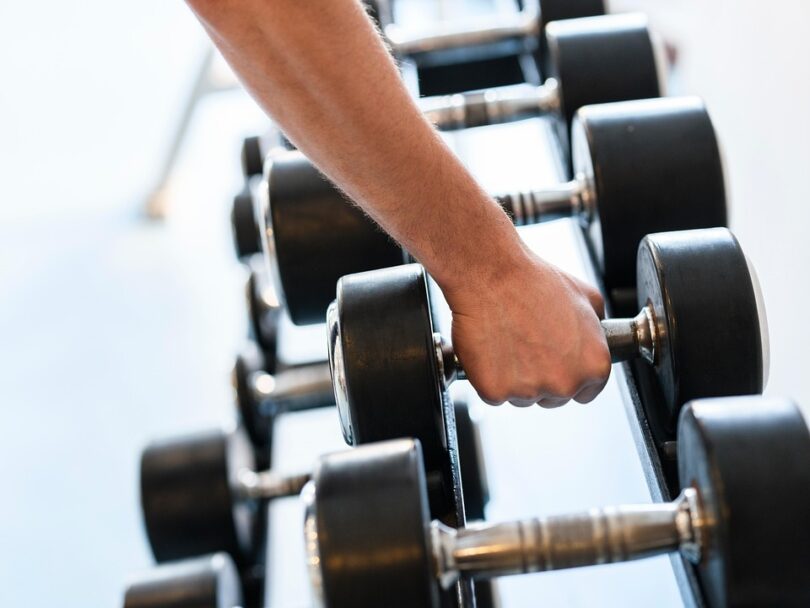
Dumbbells and kettlebells are excellent for strength training, allowing for a wide range of exercises.
4.2 Resistance Bands
These are versatile, affordable, and great for strength training, stretching, and rehabilitation.
4.3 Cardiovascular Machines
Cardio machines like treadmills, stationary bikes, or ellipticals are essential for heart health:
- Treadmills: Great for running or walking indoors.
- Stationary Bikes: Excellent for low-impact cardio workouts.
- Rowing Machines: Provide whole-body cardio and strength training.
4.4 Weight Machines
These are ideal for targeted strength training and come in various types:
- Multi-gym systems: Allow multiple exercises in one machine.
- Cable machines: Use cables and pulleys for strength exercises.
4.5 Exercise Mats
An essential piece for floor workouts, yoga, or stretching.
5. Consider Accessories
For a well-rounded experience, don’t forget about additional accessories:
- Foam Rollers: Useful for muscle recovery and flexibility.
- Medicine Balls: Great for adding variety to workouts.
- Jump Ropes: Excellent for cardio and coordination.
6. Read Reviews and Research Brands
Before making a purchase, it’s wise to read reviews and look up brands known for quality and durability. Check online forums, fitness blogs, and YouTube reviews to gain insight from other users.
7. Test Before You Buy
If possible, test the equipment in-store. Comfort and usability are paramount, especially for machines like stationary bikes and treadmills. Many brands offer home trials or satisfaction guarantees, so consider taking advantage of these offers.
Conclusion
Selecting the right gym equipment for your home doesn’t have to be daunting. By assessing your fitness goals, understanding your space constraints, setting a budget, and focusing on essential pieces, you’ll be well on your way to creating a functional and motivating home gym. Remember, the best equipment is one that you will use consistently. Happy training!
FAQs
1. What is the best gym equipment for beginners?
Free weights, resistance bands, and stability balls are great starting points for beginners. They are versatile and allow you to perform multiple exercises.
2. How much space do I need for a home gym?
Ideally, you should have at least 100 square feet of space. However, with careful selection of equipment, you can create a functional gym in even smaller areas.
3. Is it better to buy used equipment?
Buying used equipment can save money, but ensure that it’s in good condition and comes from a reputable source. Inspect it carefully for wear and tear.
4. Can I get a full-body workout with just one piece of equipment?
Yes, multi-functional equipment like resistance bands, kettlebells, or a universal gym can provide a full-body workout when used correctly.