


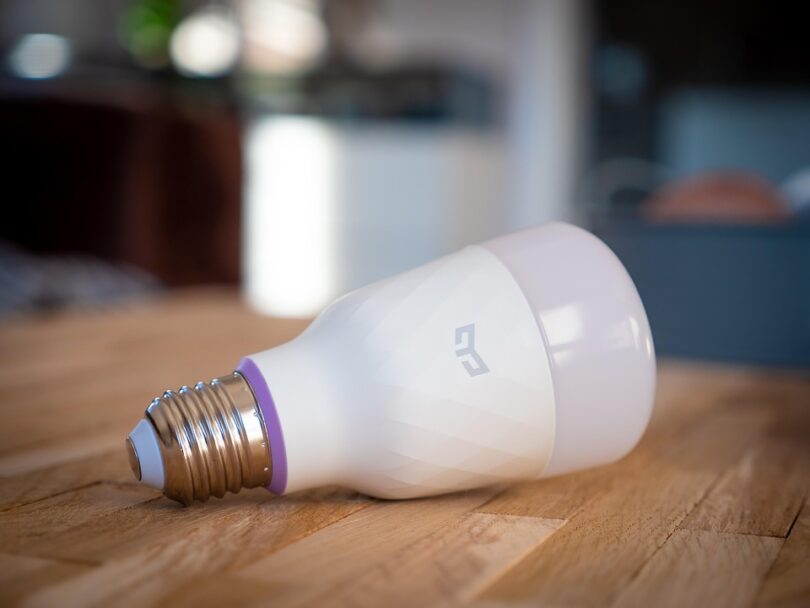


The concept of smart homes has moved from science fiction to reality, particularly in the UK. With advancements in technology, households are increasingly adopting smart devices to enhance convenience, security, and energy efficiency. This article explores how smart homes are transforming the landscape of living in the UK, looking at trends, benefits, challenges, and what the future holds.
What are Smart Homes?
Smart homes are residences equipped with technology that allows for remote management and monitoring of systems and appliances. Various devices, such as smart lights, thermostats, cameras, and security systems, can be controlled through smartphones, tablets, or voice assistants like Amazon Alexa and Google Assistant.
Trends Driving Smart Home Adoption
Recent years have seen a surge in the adoption of smart home technology across the UK. Several key trends have emerged, driving this transformation:
- Increased Connectivity: The rollout of 5G technology promises to enhance connectivity, allowing even more devices to operate seamlessly.
- Affordability: As technology becomes more commonplace, prices for smart devices have significantly dropped, making them accessible to a wider audience.
- AI Integration: Artificial intelligence is increasingly incorporated into smart home systems, enabling predictive behavior and personalized settings to enhance user experience.
- Environmental Awareness: Many consumers are making environmentally conscious choices, leading to a rise in energy-efficient smart home devices.
Benefits of Smart Homes
Smart homes offer numerous benefits that meet the demands of modern living. Here are some of the most notable advantages:
- Enhanced Security: Smart security systems provide real-time monitoring and alerts, allowing homeowners to keep an eye on their property no matter where they are.
- Energy Efficiency: Smart thermostats and lighting systems optimize energy usage, leading to reduced utility bills and lower carbon footprints.
- Convenience: With remote control options, users can manage their home environments effortlessly, whether it’s adjusting the heating or turning on the lights.
- Improved Quality of Life: Smart home technology can assist individuals with disabilities or the elderly by providing reminders for medication or enabling easier control of their surroundings.
Challenges in Smart Home Adoption
Despite the numerous benefits, several challenges hinder the widespread adoption of smart home technology in the UK:
- Privacy Concerns: As devices collect data on user habits, there are significant concerns regarding data privacy and security.
- Compatibility Issues: Many devices come from different manufacturers, resulting in compatibility issues that can complicate user experience.
- Technical Knowledge: Not all consumers are tech-savvy, and the complexity of some systems can deter potential users.
- Initial Costs: Although prices have decreased, the initial investment in smart devices can still be substantial for full home automation.
The Future of Smart Homes in the UK
The trajectory of smart homes in the UK is promising. Continuous advancements in technology and growing consumer interest suggest an upward trend in smart home adoption. Forthcoming innovations like improved AI, and the integration of IoT (Internet of Things) technology, are expected to make smart homes even more efficient and user-friendly.
Moreover, as urban living and housing space continue to shrink, the call for efficient living solutions will drive further innovation in smart home technology. Cohesive integration between devices is likely to play a pivotal role in shaping the future of living.
Conclusion
Smart homes are changing the way UK households live, providing enhanced convenience, security, and energy efficiency. Despite challenges relating to privacy and initial costs, the benefits are substantial, making smart homes an attractive option for many. As technology continues to advance, the future looks bright for smart living, promising an era of modern homes that cater to the needs of their inhabitants more effectively than ever before.
FAQs
1. What devices are considered smart home devices?
Smart home devices include smart speakers, smart thermostats, smart lights, security cameras, smart plugs, and more. These devices can be controlled remotely or automated, enhancing home management.
2. Do smart homes save money on energy bills?
Yes, smart home devices such as smart thermostats and energy-efficient appliances can help optimize energy usage, which can lead to reduced utility bills.
3. Are smart homes safe from hacking?
While no system is entirely immune to hacking, implementing strong passwords, regular updates, and secure network practices can significantly mitigate risks.
4. Can I install smart home devices myself?
Many smart home devices are designed for easy DIY installation; however, some may require professional help, especially when integrating complex systems.
5. What is the future of smart homes in the UK?
As technology continuously evolves, the future of smart homes in the UK looks promising, with improved integration, affordability, and energy efficiency expected to drive further adoption.


