


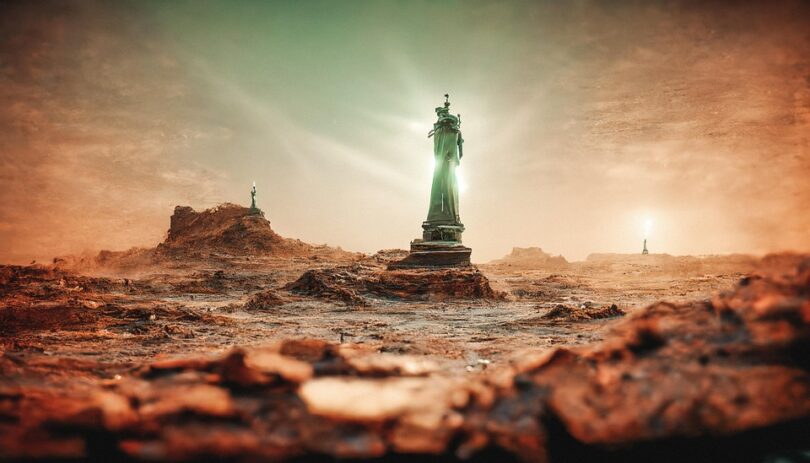


In recent years, artificial intelligence (AI) has made significant strides in various domains. One of the most fascinating areas of AI’s application is image generation. From producing realistic art to designing graphics, AI is reshaping the creative landscape. This article explores how AI is transforming image generation and what that means for the future of creativity.
The Rise of AI in Image Generation
AI’s integration into image generation can be traced back to the development of algorithms that mimic neural processes. Tools such as Generative Adversarial Networks (GANs) and deep learning algorithms have set the stage for machines to understand and replicate artistic styles. These technologies have opened new avenues for artists, designers, and brands.
AI Tools Insipired by Human Creativity
Several AI tools have gained prominence among artists and creators. Examples include:
- DALL-E: Developed by OpenAI, DALL-E can create images from textual descriptions, delivering unexpected and imaginative outcomes.
- DeepArt: This tool allows users to transform their photos into artwork resembling the styles of famous artists.
- Artbreeder: Users can blend different images to create unique pieces, emphasizing collaboration between human creativity and machine-generated concepts.
The Impact on Artistic Expression
AI-generated images challenge traditional notions of creativity. Artists are no longer just creators but also curators and collaborators. The ability of AI to produce images prompts a reevaluation of what it means to be an artist in the digital age.
Moreover, AI tools can democratize creativity, making art accessible to non-artists who may lack traditional skills. People can generate personalized images without needing years of training, allowing for diverse expressions and storytelling.
Commercial Applications of AI in Image Generation
The commercial world has also embraced AI-driven image generation. Businesses use these tools for:
- Advertising: Brands can create targeted visual content that resonates with their audience, optimizing marketing campaigns.
- Product Design: Companies can visualize products, iterating designs rapidly based on market trends and consumer feedback.
- Media and Entertainment: AI has the potential to revolutionize content creation in films, games, and virtual reality environments.
The Ethical Implications
Despite its advantages, the rise of AI in image generation raises important ethical questions. Concerns include:
- Copyright Issues: Who owns the rights to an AI-generated image? Is it the creator of the algorithm, the user, or the AI itself?
- Deepfakes: The misuse of image generation technology can lead to the creation of misleading visuals, posing risks to privacy and security.
- Job Displacement: As machines take over certain creative tasks, will traditional artists and designers face unemployment?
AI Improving Existing Creative Processes
AI is not only creating images from scratch but also enhancing traditional creative processes. For instance, artists can use AI to analyze their work and receive feedback on style and composition. This can lead to the evolution of their artistic styles and push boundaries in ways previously unimaginable.
The Future: A Collaboration Between AI and Human Creativity
Looking ahead, the synergy between AI and human creativity offers exciting possibilities. Imagine a world where AI acts as a creative partner, helping artists refine their ideas and explore uncharted territories. This collaboration could lead to new art forms and even reshape entire art movements.
Conclusion
AI is undeniably transforming image generation and its implications reach beyond the artistic realm. As technology continues to advance, we must navigate the ethical landscape, ensuring that creativity remains a distinctly human quality enhanced, rather than overshadowed, by AI. The future of creativity is bright, filled with possibilities where technology and human imagination converge.
FAQs
1. How does AI generate images?
AI uses algorithms, particularly deep learning models like GANs, to analyze existing images and learn patterns. It then generates new images based on this learned data.
2. Can AI replace human artists?
While AI can produce stunning images, it lacks the emotional depth and contextual understanding that human artists bring. Instead, AI serves as a tool for artists to enhance their creativity.
3. Are AI-generated images copyrighted?
The question of copyright for AI-generated images is complex and varies by jurisdiction. Generally, ownership issues remain contentious and are still developing legally.
4. How can I use AI for my own creative projects?
There are various AI tools available that allow users to experiment with image generation. Popular tools like DALL-E, Midjourney, and Artbreeder offer accessible platforms for creative exploration.
5. What are the ethical concerns surrounding AI-generated images?
Ethical concerns include copyright issues, the potential for misuse (like deepfakes), and the fear of job displacement for traditional artists. Addressing these concerns requires ongoing dialogue and policy development.


