


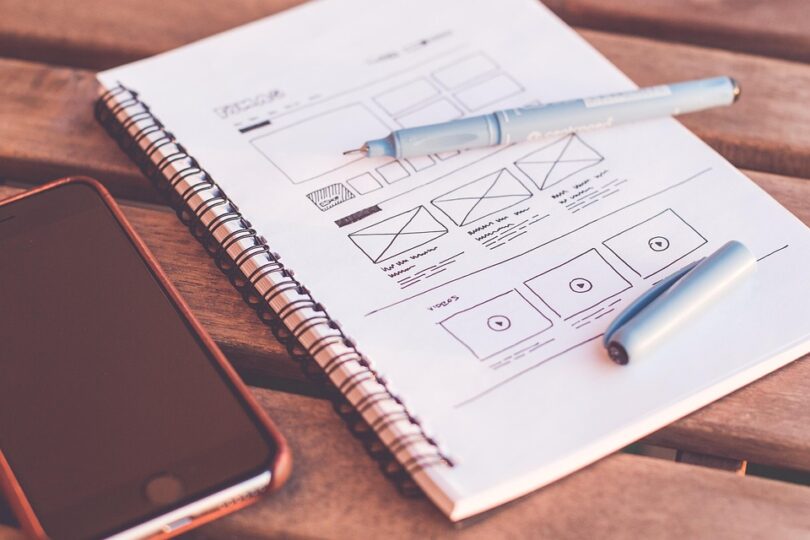


The digital landscape is ever-changing, and web design is at the forefront of this evolution. In Germany, innovation and creativity reflect both cultural identity and technological advancement. German web design has seen significant transformations, influenced by trends such as minimalist design, user experience (UX) principles, and responsive web design. This article explores the journey of web design in Germany, highlighting key trends and innovations that have shaped the industry.
1. Early Beginnings: The 1990s
The early days of the internet in Germany, during the 1990s, were characterized by basic HTML websites, textual content, and simple graphics. Companies began establishing their online presence, but the designs were often cluttered and lacked coherence. A significant turning point was the introduction of CSS (Cascading Style Sheets), which allowed for greater control over layouts and presentations.
2. The Rise of Flash and Multimedia (2000-2010)
With the advent of Flash technology in the early 2000s, web design in Germany saw a shift toward engaging multimedia experiences. Designers could create animations, video content, and interactive elements that captured users’ attention. Although Flash offered exciting possibilities, it also introduced challenges, such as performance issues and compatibility problems with mobile devices.
3. The Embrace of Minimalism (2010-2015)
By the early 2010s, the design philosophy began to trend towards minimalism. Influenced by Scandinavian design principles, German web designers focused on simplicity, clean lines, and ample white space. This approach aimed to enhance user experience by making information easily digestible. Popular frameworks like Bootstrap emerged during this time, further promoting responsive design practices.
4. User-Centric Design: UX/UI (2015-Present)
The shift toward user-centric design became pronounced around 2015. German web designers began to prioritize user experience (UX) and user interface (UI) design. Understanding user behavior through research and testing led to more intuitive navigation, faster load times, and mobile-friendly designs. This emphasis on UX had a direct impact on conversion rates, boosting business success.
5. Innovations and Current Trends
As of 2023, various trends are shaping the future of web design in Germany:
- Dark Mode: The popularity of dark mode interfaces is rising, providing a visually appealing choice that reduces eye strain.
- Voice User Interface (VUI): With the rise of voice search, designers are exploring ways to integrate voice functionality into website navigation.
- Augmented Reality (AR): AR is being used to create immersive experiences, particularly in e-commerce, allowing users to visualize products in real-world settings.
- Sustainability: An increasing number of designers are considering the environmental impact of their websites, optimizing them for energy efficiency.
6. The Role of Technology in Web Design Evolution
Germany’s strong tech landscape has played a pivotal role in the evolution of web design. Companies such as SAP, Siemens, and numerous startups are investing in cutting-edge technologies like artificial intelligence (AI) and machine learning to enhance user personalization. The integration of these technologies into web design enables businesses to deliver more tailored user experiences, making websites smarter and more efficient.
Conclusion
The evolution of web design in Germany reflects broader societal trends and technological advancements. From the cluttered pages of the 1990s to the clean, user-centric designs of today, the journey is marked by continuous adaptation and innovation. As we look to the future, the interplay of technology and design will likely lead to even more creative and immersive web experiences, further solidifying Germany’s place at the forefront of the digital landscape.
FAQs
1. What are the key characteristics of modern web design in Germany?
Modern web design in Germany is characterized by minimalism, user-centric approaches, responsive design, and the integration of new technologies like AI and AR.
2. How has the focus on UX/UI impacted web design?
The focus on UX/UI has led to improved usability, intuitive navigation, and enhanced overall user satisfaction, ultimately contributing to higher conversion rates for businesses.
3. Are there particular companies setting trends in web design in Germany?
Yes, companies such as SAP and various innovative startups are known for pushing the boundaries of web design through technology and creative solutions.
4. What future trends can we expect in German web design?
Future trends may include greater use of dark mode, voice interfaces, augmented reality, and an increased focus on sustainability and energy efficiency in web design.


