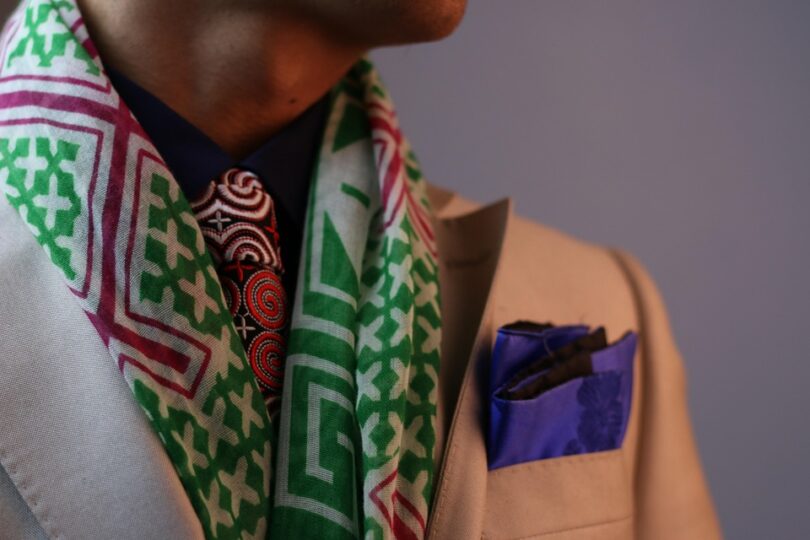


GQ magazine, originally launched in 1931 as “Gentlemen’s Quarterly,” has played a pivotal role in defining men’s fashion trends over the decades. Its influence extends beyond mere clothing choices; it reflects changing social dynamics, attitudes, and cultural shifts. This article explores the evolution of GQ and its impact on men’s fashion.
The Early Years: 1930s – 1940s
In its infancy, GQ was primarily a publication focused on men’s clothing that emphasized tailored suits, classic styles, and formal wear. The magazine catered to the affluent gentleman seeking refinement in fashion, inspired largely by European styles. The 1930s showcased a blend of practicality and elegance as men navigated the challenges of the Great Depression.
During World War II, the practicality of men’s fashion took center stage. Military uniforms influenced everyday attire, promoting functionality over extravagance. GQ adapted accordingly, highlighting styles that balanced military influences with civilian needs. The emergence of simpler, more utilitarian clothing changed the landscape of men’s fashion, a trend that would continue post-war.
The Mid-Century Shift: 1950s – 1960s
The post-war years heralded a renaissance in men’s fashion, marked by the rise of the “New Look.” The 1950s brought about a shift toward a more relaxed style, emphasizing casual wear with chinos, polo shirts, and tailored jackets. GQ mirrored these changes, showcasing icons like James Dean and Frank Sinatra as fashion muses.
The 1960s brought radical changes. The youth movement, counterculture, and rock ‘n’ roll led to a rejection of traditional gender norms. GQ began to feature bold patterns, bright colors, and innovative designs. Fashion icons like The Beatles and David Bowie influenced men’s fashion in unprecedented ways. The magazine recognized this shift and began to explore the intersection of fashion, music, and culture.
The 1970s: Bold Statements
The 1970s were characterized by flamboyance and self-expression. GQ played a crucial role in championing bold styles, including bell-bottom pants, platform shoes, and psychedelic patterns. The “disco” era called for fashion that was vibrant and eye-catching, which GQ embraced wholeheartedly.
During this decade, the magazine also reflected a growing concern for social issues, highlighting diversity and inclusion in men’s fashion. Iconic figures like Steve McQueen and Muhammad Ali became inspirations for the everyday man, showcasing that style could encompass attitude and confidence.
The 1980s: Power Suits and Casual Chic
The 1980s ushered in the era of the power suit, where sharp silhouettes dominated the fashion landscape. GQ emerged as a crucial platform for promoting this trend, emphasizing tailored suits, bold ties, and polished shoes. The magazine showcased influential figures such as Donald Trump and Michael Jordan, embodying success and ambition.
This era also saw the emergence of sporty designs, with brands like Nike and Adidas gaining popularity. Casual chic began to take hold, integrating athletic wear into everyday wardrobes. GQ straddled this line, showcasing both the classic businessman and the casual, cool man of the 80s.
The 1990s – 2000s: Streetwear and Individuality
The late 1990s and early 2000s marked a significant shift towards streetwear, where comfort and individuality took precedence. GQ adapted to this trend by highlighting urban fashion, featuring brands like Supreme and Stüssy. Casual wear became a staple, from graphic tees to distressed denim jeans.
During this period, GQ also began to address changing attitudes towards masculinity, advocating for a more fluid approach to men’s fashion. Appreciation for diverse body types and styles emerged, influencing mainstream fashion. The magazine began to feature more inclusive imagery, creating a space for discussions around personal style.
Contemporary Trends: 2010s – Present
The last decade has seen significant changes in the fashion landscape, propelled by social media and a growing culture of influencers. GQ has navigated these waters by becoming not only a magazine but a digital platform. The rise of fast fashion and sustainability has also influenced content, leading to a focus on ethical choices and timeless style.
From athleisure looks to high-fashion collaborations, GQ continues to adapt and innovate. The magazine showcases a variety of styles, encouraging men to express themselves freely. Today’s GQ highlights fashion as an extension of individuality, catering to a diverse audience with varying tastes and lifestyles.
Conclusion
GQ’s evolution over the decades illustrates the dynamic relationship between fashion and societal trends. From its early days as a bastion of classic styles to its contemporary role as a promoter of diversity and individuality, GQ has continually adapted to reflect the times. As it moves forward, the magazine will undoubtedly continue to shape the future of men’s fashion while remaining a vital source of inspiration for generations to come.
FAQs
What does GQ stand for?
GQ stands for “Gentlemen’s Quarterly.” It originally focused on men’s style and lifestyle but has since expanded to cover a wide range of topics related to men.
When was GQ first published?
GQ was first published in 1931, making it one of the oldest men’s fashion publications in existence.
How has GQ influenced men’s fashion?
GQ has played a significant role in shaping men’s fashion trends by featuring up-and-coming designers, style icons, and cultural movements throughout its history.
Is GQ available in digital format?
Yes, GQ is available in both print and digital formats. It has a strong online presence and engages with its audience through social media platforms.
What types of content does GQ cover besides fashion?
In addition to fashion, GQ covers topics related to grooming, lifestyle, culture, and even politics, making it a well-rounded men’s magazine.