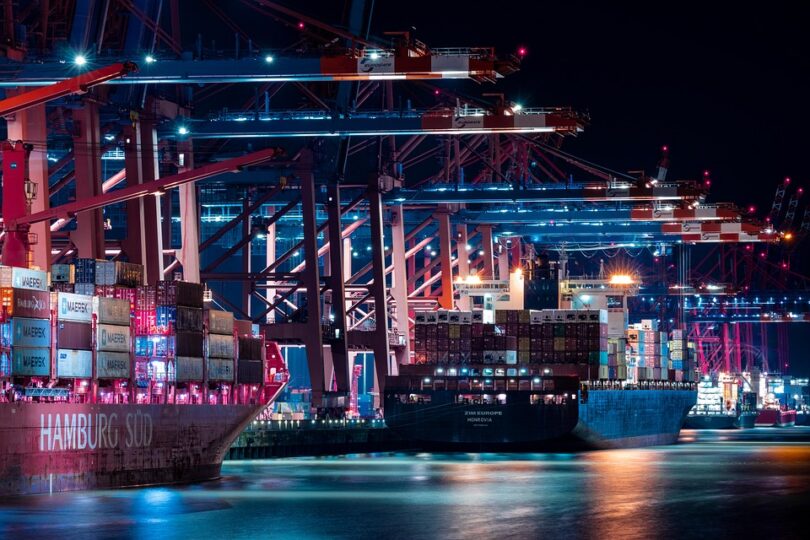


In an increasingly globalized economy, identifying high-demand products for export can significantly enhance a country’s trade balance and economic growth. This article explores how businesses can effectively navigate the export landscape and pinpoint products that have robust market potential.
Understanding the Export Market
The export market involves the sale of goods and services produced in one country to consumers or businesses in another. This exchange is influenced by various factors, including economic conditions, market demand, regulations, and cultural preferences. Understanding these elements is critical for businesses hoping to expand their operations internationally.
Factors Influencing Product Demand
Identifying high-demand products in the export market requires an analysis of several influencing factors:
- Economic Trends: Economic growth or decline affects consumer purchasing power and demand for certain products.
- Regulatory Environment: Import and export regulations, tariffs, and trade agreements can create opportunities or barriers.
- Cultural Preferences: Consumer preferences vary greatly from one region to another, requiring tailored marketing strategies.
- Technological Advancements: Innovations can create new markets or render existing products obsolete.
Researching High-Demand Products
Understanding the nuances of the global market is essential for identifying high-demand products. Businesses can utilize various resources and strategies:
Market Research Reports
Market research reports provide critical insights about trending products, consumer behavior, and competitive analysis. Sources like Statista, IBISWorld, and World Bank can be valuable for this purpose.
Trade Databases
Accessing trade databases like UN Comtrade or the International Trade Center can help businesses analyze trade flows and identify products with growing demand in specific markets.
Industry Associations
Industry-specific associations often provide data on market trends, emerging products, and consumer interests. Connecting with these organizations can be a boon for insights.
Networking
Establishing connections with industry leaders, trade shows, and business forums can provide invaluable first-hand information about what products are in demand.
Utilizing Technology for Product Identification
The digital landscape offers numerous tools to aid businesses in identifying high-demand products:
- Big Data Analytics: Companies can analyze large data sets to discern trends and behaviors that signal high-demand products.
- Social Media Insights: Monitoring social media trends can reveal emerging interests and demands among consumers.
- Keyword Research: Tools like Google Trends help identify what products people are searching for online, indicating potential market demand.
Case Studies of Successful Exports
Several countries have successfully identified and capitalized on high-demand products:
1. China – Electronics
China’s export success can largely be attributed to its emphasis on electronics. By investing in technology and manufacturing, the country became a leader in the global electronics market.
2. Brazil – Agricultural Products
Brazil’s focus on agricultural exports, particularly soybeans and beef, has positioned it as a key player in global food supply chains.
3. Germany – Machinery
Germany’s engineering prowess has established it as a trusted exporter of high-quality machinery and automotive products. Their commitment to quality ensures continued demand.
Challenges in Exporting
While opportunities abound, several challenges need to be navigated:
- Trade Barriers: Tariffs and quotas can limit market access and profitability.
- Logistical Issues: Shipping costs, supply chain disruptions, and regulatory compliance can complicate exports.
- Cultural Misunderstandings: Misinterpreting cultural nuances can hinder sales efforts and brand acceptance.
Conclusion
Navigating the export landscape is a complex but rewarding endeavor. By understanding market trends, utilizing technology, and leveraging research, businesses can identify high-demand products and strategically position themselves in the global market. Ongoing education and adaptability are essential for success in this ever-evolving field.
Frequently Asked Questions (FAQs)
1. What are high-demand products in exports?
High-demand products are goods and services that have a significant market interest and sales potential in foreign markets. These can vary based on regional preferences and economic conditions.
2. How can I identify high-demand products for my business?
Use market research reports, trade databases, and networking opportunities to analyze trends and identify high-potential products. Additionally, leveraging technology like big data analytics can aid in your search.
3. What challenges should I be prepared for when exporting?
Challenges include trade barriers, logistical issues, and cultural misunderstandings. Being aware of these can help in devising effective strategies to overcome them.
4. Are there specific markets that are currently growing?
Emerging markets in Asia, Africa, and Latin America are witnessing growth across various sectors. Specific sectors like technology, green energy, and agriculture are particularly promising.
5. How important is cultural understanding in exporting?
Cultural understanding is vital as it influences consumer behavior, marketing strategies, and overall brand acceptance in foreign markets.