

For centuries, humans have turned to nature as a source of healing. Herbal remedies, derived from various parts of plants such as leaves, roots, flowers, and seeds, have long been used in traditional medicine systems around the world. With an increasing interest in natural and holistic health, herbal remedies are experiencing a resurgence in popularity. This article explores the benefits, uses, and considerations of using herbal remedies in our everyday lives.
The Historical Context of Herbal Medicine
Herbal medicine has roots in ancient civilizations, including those of China, Egypt, and India. Traditional Chinese Medicine (TCM) and Ayurveda emphasize the use of herbs for maintaining health and treating ailments. Over time, these practices have laid the foundation for modern herbalism.
Benefits of Herbal Remedies
1. Natural Healing Properties
One of the main advantages of herbal remedies is their natural healing properties. Many herbs contain compounds that can help alleviate symptoms or support bodily functions. For instance, ginger is renowned for its anti-inflammatory effects, while chamomile is popularly used for its calming properties.
2. Fewer Side Effects
Unlike conventional pharmaceutical drugs, which can come with a host of side effects, many herbal remedies tend to be gentler on the body. For example, St. John’s Wort is often used for mild depression and generally carries fewer side effects compared to synthetic antidepressants.
3. Holistic Approach
Herbal medicine often views health holistically, considering the whole person rather than just isolated symptoms. This approach encourages balance in the body, mind, and spirit, leading to overall wellness. For example, adaptogenic herbs like ashwagandha support the body’s ability to cope with stress, promoting mental and physical resilience.
Common Herbal Remedies and Their Uses
1. Echinacea
Echinacea is often used to strengthen the immune system, especially during cold and flu season. Some studies suggest it may reduce the duration and severity of colds.
2. Peppermint
Peppermint is widely known for its soothing effects on the digestive system. It can relieve symptoms of indigestion and nausea.
3. Garlic
Garlic is not only a culinary delight but also a powerful herb known for its antibacterial and antiviral properties. It’s often used to support heart health and lower blood pressure.
How to Incorporate Herbal Remedies Into Your Life
The integration of herbal remedies into your routine can be simple and enjoyable. Here are some ways to get started:
1. Herbal Teas
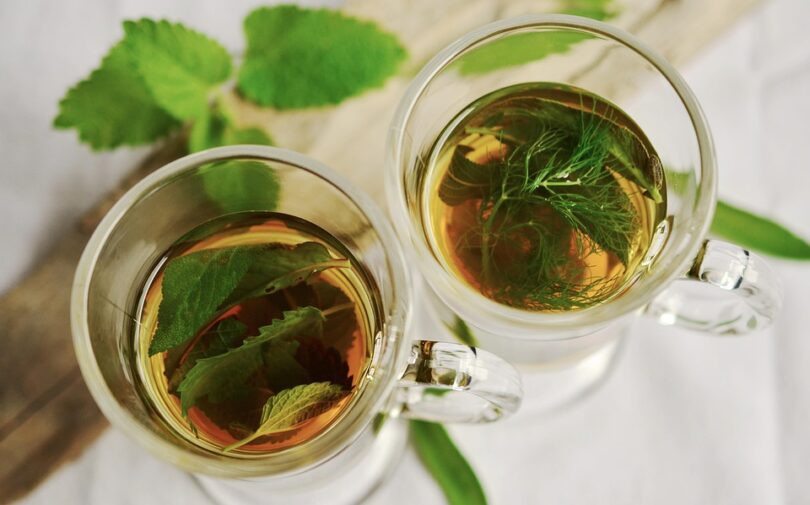
One of the easiest ways to consume herbs is through teas. Various herbal teas can serve different purposes, from calming chamomile to energizing ginseng.
2. Tinctures and Extracts
Tinctures are concentrated liquid extracts made from herbs, distilled in alcohol or vinegar. They can be taken in small doses for quick absorption and are useful when you need a potent remedy.
3. Cooking with Herbs
Incorporating herbs into your meals not only enhances flavor but also provides health benefits. Fresh herbs like basil, oregano, and thyme offer both nutritional and medicinal value.
Considerations When Using Herbal Remedies
While herbal remedies can be beneficial, it’s essential to approach them with caution:
1. Consult with Healthcare Professionals
Before starting any herbal regimen, consult with a healthcare professional, especially if you are pregnant, nursing, or taking other medications.
2. Quality Matters
The quality of herbal products can vary significantly. Look for reputable brands that provide third-party testing and clear labeling of ingredients.
3. Individual Reactions
Just like conventional medications, herbal remedies can produce different effects in different individuals. Always start with small doses to see how your body responds.
Conclusion
Herbal remedies provide a fascinating and effective way to enhance wellness naturally. With a rich history and vast array of benefits, they offer solutions for a variety of health concerns. By understanding their uses and potential side effects, individuals can incorporate these remedies into their holistic health routines safely and effectively.
FAQs
1. Are herbal remedies safe for everyone?
While many herbal remedies are safe, it is crucial to consult a healthcare professional before starting any new herbal treatments, particularly for pregnant or nursing individuals or if you are currently taking medications.
2. How long does it take for herbal remedies to work?
The effectiveness and time it takes for herbal remedies to work can vary based on the individual, the specific remedy, and the condition being treated. Some may offer immediate relief, while others may require consistent use over time.
3. Can herbal remedies replace medications?
Herbal remedies can complement conventional treatments but should not be seen as direct substitutes for prescribed medications. Always consult with a healthcare provider before making changes to your treatment plan.