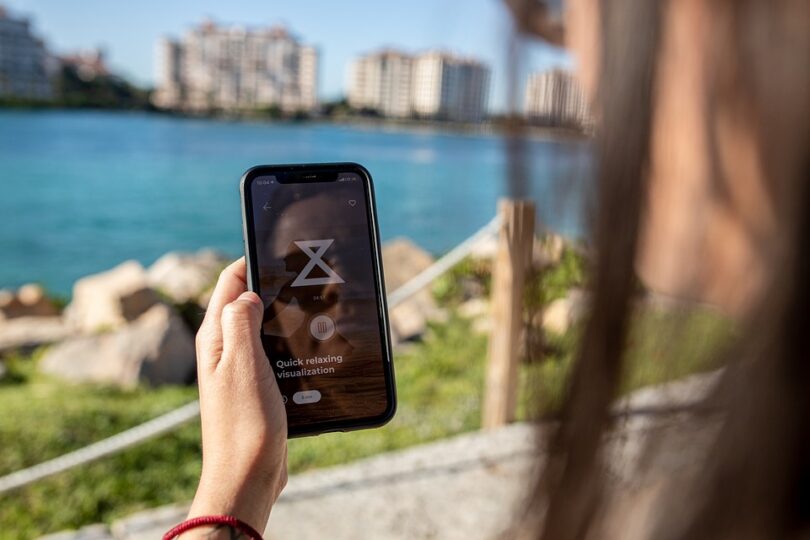


In today’s fast-paced world, finding time for yourself can be challenging. However, the importance of mental wellness cannot be overstated. Meditation serves as a tool to enhance mindfulness, reduce stress, and improve overall well-being. Fortunately, with the advent of technology, numerous apps are available that bring meditation to your fingertips. This article reviews some of the best meditation apps currently available, focusing on their features, usability, and target audience.
1. Headspace
Established in 2010, Headspace is among the most popular meditation apps worldwide. The app offers a variety of features that cater to both beginners and seasoned practitioners.
- Content Variety: Headspace provides guided meditations for various situations, including stress relief, sleep, and focus improvement.
- User-Friendly Interface: The design is intuitive, making navigation easy for users of all ages.
- Courses: The app includes themed courses that span days or weeks, allowing users to delve deeper into specific topics.
Headspace offers a free version with limited content, while a subscription unlocks all features and sessions.
2. Calm
Calm is another renowned app that provides a holistic approach to wellness. Known for its calming interface and soothing sounds, it focuses on mindfulness, sleep, and relaxation.
- Sleep Stories: One of Calm’s unique features is its collection of sleep stories designed to help users drift off to sleep.
- Music and Sounds: The app also features ambient sounds and music designed for relaxation and meditation.
- Daily Meditations: Users can join daily sessions that cover various topics and challenges.
Calm offers both a free and premium version, with the latter providing a more extensive suite of features.
3. Insight Timer
Insight Timer is a free meditation app that features a vast selection of guided meditations and talks from experienced teachers.
- Community Features: The app fosters community interaction where users can follow teachers and connect with fellow meditators.
- Timer Feature: It includes a customizable timer for those who prefer unguided meditation sessions.
- Variety of Content: With thousands of guided meditations and music tracks, there’s something for everyone.
The app is available for free, with a premium option for users seeking additional content and functionalities.
4. 10% Happier
10% Happier is an app designed specifically for skeptics of meditation. With its practical approach, the app pairs mindfulness with executive insights.
- Real-Life Applications: The app focuses on real-life challenges, providing tools and techniques that can be applied in everyday situations.
- Expert Guidance: Features sessions from leading teachers and meditation experts like Dan Harris.
- Personalized Practices: Users can tailor their meditation practices based on their personal objectives.
This app offers a free trial for new users, followed by a subscription fee.
5. Smiling Mind
Smiling Mind is an excellent choice for both kids and adults focusing on mindfulness practices tailored for various age groups and mental health challenges.
- Age-Specific Programs: The app includes programs designed for children, teens, and adults.
- Psychological Research: Developed by psychologists and educators, this app is evidence-based and suitable for schools and workplaces.
- Tracking and Metrics: Users can track their progress and monitor their mindfulness journey.
This app is entirely free, making it accessible to anyone who wishes to embark on a mindfulness journey.
Conclusion
Incorporating mindfulness and meditation into daily routines can significantly enhance one’s mental well-being. The apps reviewed above—Headspace, Calm, Insight Timer, 10% Happier, and Smiling Mind—offer diverse features catering to anyone from beginners to seasoned meditators. Ultimately, the best app for you will depend on personal needs and preferences. Whether it’s guided sessions, sleep stories, or community support, the digital age has made meditation easily accessible for all.
FAQs
1. Are meditation apps effective?
Yes, many studies have shown that meditation apps can help reduce stress, anxiety, and improve overall well-being.
2. How much do meditation apps cost?
Many apps offer free versions with limited features. Premium subscriptions can range from $5 to $15 per month, depending on the app.
3. Can beginners use these apps?
Absolutely! Most apps are designed with beginners in mind and offer introductory courses and simple guided meditations.
4. How often should I meditate?
Even a few minutes a day can be beneficial. It’s recommended to start with 10-15 minutes of meditation daily and gradually increase the time as you become comfortable.
5. What if I don’t have time to meditate?
Many apps have short sessions that can fit into busy schedules. Even brief meditation can be effective.