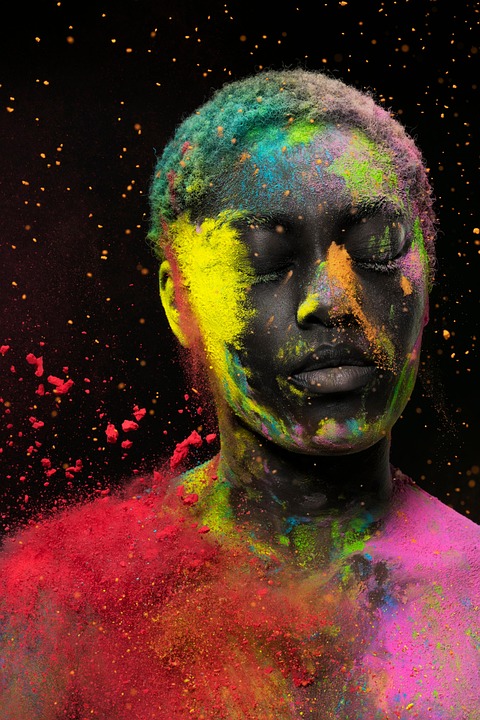


The fashion industry has always been a creative haven, constantly evolving and adopting new technologies to enhance artistic expression. In recent years, a groundbreaking trend has emerged that combines fashion with the digital realm—NFT (Non-Fungible Token) fashion. This new wave, referred to as digital couture, is not merely about clothing, but a revolutionary concept that challenges our understanding of ownership, creativity, and the boundaries of fashion itself.
Understanding NFTs and Their Impact on Fashion
Non-Fungible Tokens (NFTs) are unique digital assets verified using blockchain technology. Unlike cryptocurrencies, NFTs cannot be exchanged on a one-to-one basis because each token has distinct properties. This uniqueness has created opportunities for artists and designers to monetize digital creations in ways never before possible. In the realm of fashion, NFTs empower designers to showcase and sell virtual garments, allowing wearers to express their style in digital spaces such as social media, virtual reality (VR), and online gaming environments.
The Emergence of Digital Fashion Brands
As the interest in NFT fashion grows, innovative digital fashion brands are emerging. Here are a few examples:
- RTFKT Studios: Known for creating digital sneakers and apparel, RTFKT combines fashion with gaming, collaborating with various artists and brands to create exclusive NFT collections.
- DressX: This platform allows users to buy digital clothing that can be worn in photos and on social media. With a focus on sustainability, DressX aims to reduce the environmental impact of the fashion industry.
- Balenciaga: The high-fashion brand has ventured into NFTs, launching digital collections that align with its avant-garde style, reaching a tech-savvy clientele.
How Digital Couture is Changing the Fashion Landscape
Digital couture is reshaping several aspects of the fashion industry:
1. Sustainability
Traditional fashion contributes significantly to environmental degradation. By offering digital alternatives, NFT fashion reduces waste and resource consumption associated with physical clothing production. Users can enjoy fashion without the ecological footprint, representing a shift towards more sustainable practices.
2. Authenticity and Ownership
The blockchain technology underlying NFTs ensures that each digital garment is unique and can be owned. This authenticity appeals to consumers who seek exclusive pieces to express their individuality. In an era where fast fashion dominates, NFT fashion offers a new perspective on ownership, allowing individuals to invest in what they truly love—whether it’s a digital outfit for an avatar or a piece of art for their virtual gallery.
3. Expanding Creative Boundaries
Digital fashion allows designers to push the limits of creativity. Without the constraints of physical materials, designers can create garments that wouldn’t be feasible in the real world. Virtual clothing can defy gravity, incorporate animated elements, or exist solely in the digital realm, opening up a plethora of possibilities for artistic expression.
4. Accessibility and Global Reach
Digital fashion transcends geographical boundaries. Online platforms enable designers and consumers from different parts of the world to connect, fostering a global community. Additionally, NFTs can be traded on various marketplaces, making it easier for users to buy and sell digital clothing without the constraints of traditional retail.
Challenges in the NFT Fashion Space
While the rise of digital couture presents exciting opportunities, it is not without challenges. The following are some concerns within the NFT fashion industry:
- Market Volatility: The value of NFTs can fluctuate dramatically, which may scare off both buyers and designers.
- Regulatory Issues: As this sector matures, regulatory frameworks may need to be established to address intellectual property, copyright concerns, and consumer protection.
- Environmental Concerns: Although digital fashion is more sustainable than traditional fashion, the blockchain systems that support NFTs, particularly those using proof-of-work, can still have significant energy consumption.
Conclusion
The rise of NFT fashion signals a transformative shift in the fashion industry, opening new avenues for creativity and sustainability. As more brands and designers enter the digital couture space, the potential for innovation is limitless. While challenges exist, the benefits of digital fashion—ranging from eco-consciousness to expanded creative freedom—suggest that this movement is not just a passing trend, but a significant evolution in how we perceive and interact with fashion.
FAQs About Digital Couture and NFT Fashion
What is digital couture?
Digital couture refers to high-end digital clothing and accessories created for virtual environments, often represented as NFTs on blockchain platforms.
How can I wear NFT fashion?
NFT fashion can be worn in virtual spaces, such as video games, social media, and virtual reality experiences. Some platforms also offer augmented reality applications to visualize these outfits in real life.
Are NFT clothes environmentally friendly?
While NFT fashion produces less waste compared to physical clothing, some blockchain technologies have a notable carbon footprint. Choosing eco-friendly blockchain platforms can mitigate environmental impacts.
Can I resell my NFT fashion items?
Yes, most NFTs can be bought and sold on secondary marketplaces. This makes it possible for consumers to invest in digital fashion and gain returns on their purchases over time.