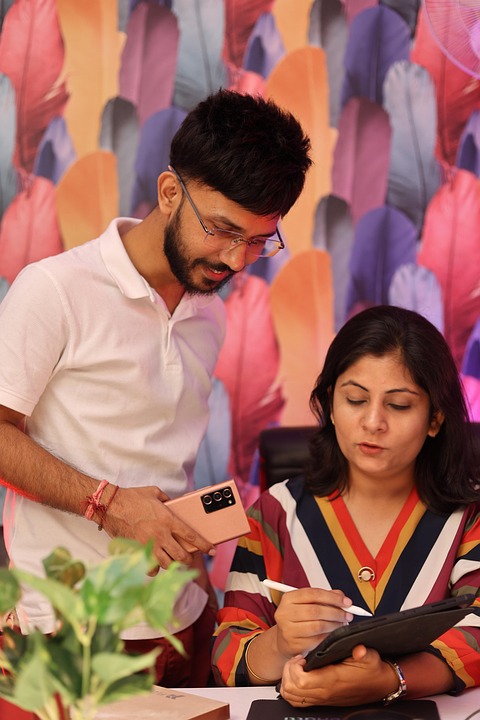


In the dynamic world of art, collaboration among artists is not just a trend; it is a transformative force that shapes the landscape of creativity. “Creative Synergy” refers to the phenomenon where two or more individuals come together, blending their unique skills and perspectives to create something greater than the sum of its parts. This article explores how artist collaborations influence the future of art, enriching cultures, and expanding artistic boundaries.
The Essence of Collaboration
Collaboration has always been a part of artistic expression, but recent advancements in technology and globalization have transformed the way artists interact. In the past, collaborations often took place within the confines of physical spaces—studios, galleries, or performance venues. However, digital platforms now allow artists from different continents to unite their visions, fostering a new era of creativity.
Through these collaborations, artists can explore diverse styles, techniques, and themes, leading to innovative works that challenge conventional norms. The internet and social media platforms not only facilitate these partnerships but also provide a space for broader audiences to engage with and appreciate the resulting creations.
Historical Examples of Artist Collaborations
Artistic collaborations have a rich history, with many famous partnerships that have left an indelible mark on the art world. For instance, the collaborative efforts of artists such as Pablo Picasso and Georges Braque during the Cubist movement revolutionized the way we perceive form and space. Their unique approach of merging their distinct artistic perspectives created a new language within art.
Similarly, the collaboration between artists Andy Warhol and Jean-Michel Basquiat in the 1980s bridged the gap between popular culture and the avant-garde, blending commercial art with deep social commentary. These examples illustrate how collaboration can catalyze innovation and shift artistic paradigms.
Modern Collaborations in the Art World
Today, collaborations among artists are more diverse and multifaceted than ever. One notable modern example is the partnership between fashion designers and visual artists. Brands like Louis Vuitton have collaborated with artists such as Takashi Murakami and Yayoi Kusama to create limited-edition products that merge high fashion with fine art.
Moreover, technology has given rise to new forms of collaboration. Digital artists are now teaming up with musicians, filmmakers, and even gamers to create immersive experiences that transcend traditional art forms. This integration of different artistic domains fosters innovative projects that engage audiences in new ways.
The Impact of Artist Collaborations on Communities
Artist collaborations have a broader social impact, fostering community engagement and cultural dialogue. Collaborative projects often involve local artists and communities, empowering them to tell their stories and share their perspectives. Public art collaborations, for instance, can transform urban spaces, making art accessible to all and encouraging community pride.
Furthermore, collaborative initiatives, such as art festivals and workshops, provide platforms for emerging artists to connect with established creators. This exchange of skills and ideas nurtures a vibrant artistic ecosystem, helping to cultivate the next generation of creative talent.
The Role of Technology in Collaboration
As technology continues to evolve, it enhances the power of artistic collaborations. Virtual reality (VR) and augmented reality (AR) technologies enable artists to create immersive experiences that were previously unimaginable. Collaborations that utilize these technologies offer audiences a unique way to interact with art, blending physical and digital realms.
Online art platforms and social media also serve as fertile ground for artists to connect and collaborate. Platforms like Instagram and TikTok allow artists to showcase their work to a global audience, leading to spontaneous collaborations that can spark new creative directions.
Challenges in Artistic Collaborations
While collaborations can yield incredible results, they are not without challenges. Creative differences, conflicting visions, and communication barriers can lead to tension among collaborators. It’s essential for artists to establish clear goals and maintain open lines of communication to mitigate these issues.
Additionally, varying levels of recognition and influence can create imbalances in collaborative relationships. To ensure equitable partnerships, artists must engage in honest discussions about roles, credits, and expectations from the outset.
Conclusion
Creative synergy through artist collaborations not only enriches the artistic landscape but also fosters cultural exchange and community engagement. As artists continue to embrace collaboration, they challenge traditional norms and create innovative works that resonate with audiences on multiple levels. In an increasingly interconnected world, the future of art lies in the hands of those who are willing to collaborate, dream, and create together. The possibilities are endless, and the resulting works can inspire generations to come.
FAQs
1. What is creative synergy in the context of art?
Creative synergy refers to the collaborative efforts of artists coming together to produce work that is greater than the sum of its individual contributions. It emphasizes the power of collaboration in enhancing creativity.
2. Why are artist collaborations important?
Artist collaborations are important because they bring together diverse perspectives and skills, fostering innovation and challenging traditional artistic boundaries. They also promote cultural exchange and community building.
3. How can technology enhance artist collaborations?
Technology enhances artist collaborations by providing platforms for connectivity, enabling virtual and augmented reality experiences, and facilitating the sharing of ideas and skills across geographic boundaries.
4. What challenges do artists face when collaborating?
Challenges in artistic collaborations can include creative differences, communication barriers, and imbalances in recognition among collaborators. Open communication and clear goal-setting can help mitigate these issues.