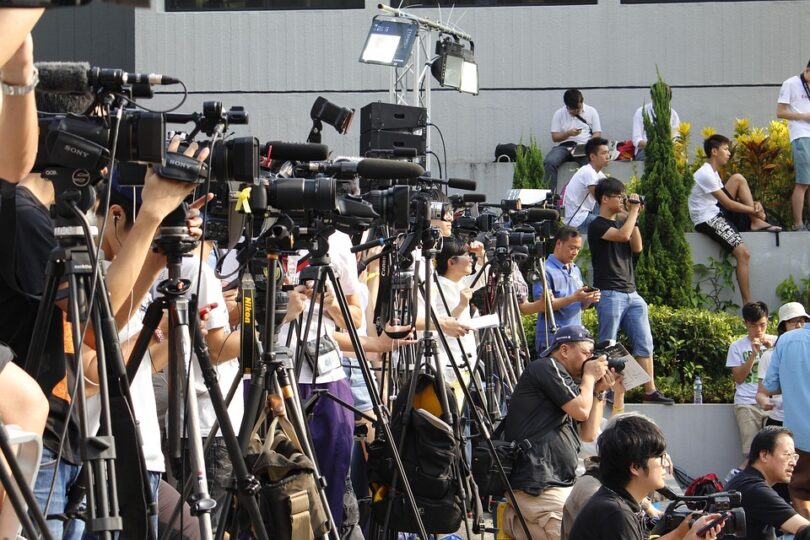


Events have a unique energy, a rhythm that resonates with the excitement of attendees and participants alike. From corporate gatherings to vibrant festivals, the coverage of such events is an intricate dance, combining planning, teamwork, and creativity. In this article, we will delve deep into the various stages of event coverage, highlighting the roles of different team members, the challenges they face, and the ultimate rewards of creating captivating content.
1. Pre-Event Planning
The journey of event coverage begins well before the event itself. Pre-event planning involves a multitude of tasks, including the identification of the event’s objectives, understanding the target audience, and setting the tone for the coverage.
1.1 Team Assembly
Creating a strong team is crucial. This often includes event coordinators, videographers, photographers, and social media managers. Each person brings their expertise to the table, allowing for a well-rounded coverage strategy.
1.2 Equipment Check
Before the event day, an equipment check ensures that everything needed for high-quality coverage is ready. This includes cameras, tripods, lighting, microphones, and backup devices. Technical difficulties on the day of the event can severely impact coverage, so preparation is key.
2. The Event Day: Setting the Stage
The event day usually begins early. Coverage teams arrive to set up their equipment, scout the venue for the best locations, and finalize their plans for the day.
2.1 Venue Setup and Coordination
Coordinating with event organizers is vital. Understanding the flow of the event, including key speakers, performances, and activities, allows coverage teams to prepare for critical moments.
2.2 Content Strategy Implementation
The content strategy often involves live streaming, blogging, and social media updates. Each team member has specific responsibilities, whether capturing interviews, posting updates, or creating visual content that reflects the event’s atmosphere.
3. Challenges Faced During Coverage
While the excitement of the event keeps spirits high, various challenges can arise during coverage.
3.1 Unforeseen Technical Issues
Technical failures, such as camera malfunctions or internet connectivity issues, can create chaos. The team must remain adaptable and have contingency plans, including backup equipment and alternative posting methods.
3.2 Timelines and Schedules
Events can run behind schedule, impacting the planned coverage timeline. Flexibility and communication within the team become essential for capturing all necessary moments.
4. Post-Event Review and Content Creation
As the event draws to a close, the real work often begins. Post-event review and content creation are crucial for delivering high-quality coverage.
4.1 Editing and Compilation
Editing videos, selecting photos, and compiling social media posts occur after the event. This process can be time-consuming but is essential for ensuring the final product accurately reflects the event’s energy and engagement.
4.2 Analytics and Feedback
Once the content is published, analyzing viewer interaction and feedback is critical for understanding what worked well and what can be improved for future events. This may involve monitoring social media engagement, website traffic, and viewer retention metrics on videos.
Conclusion
Event coverage is a dynamic field that requires a blend of creativity, teamwork, and adaptability. A day in the life of an event coverage team is filled with preparation, excitement, challenges, and profound satisfaction when the coverage resonates with viewers. As technology continues to evolve, the methods of capturing and sharing events will also transform, making it an ever-changing landscape for those involved.
FAQs
1. What types of events can be covered?
Events can range from corporate conferences and product launches to music festivals and community fairs. Each type requires a tailored approach for effective coverage.
2. How can I prepare for live event coverage?
Preparation involves assembling a capable team, conducting an equipment check, and developing a content strategy that aligns with the event’s goals.
3. What are common mistakes to avoid during event coverage?
Common mistakes include inadequate planning, poor time management, and neglecting to communicate changes with the team. Being flexible and prepared can help mitigate these issues.
4. How important is audience engagement during event coverage?
Audience engagement is crucial for successful event coverage. Real-time updates and interactive content can foster community and enhance the viewer experience.
5. What software is recommended for editing event coverage?
Popular editing software includes Adobe Premiere Pro, Final Cut Pro, and DaVinci Resolve, which offer comprehensive editing capabilities suited for event videos.