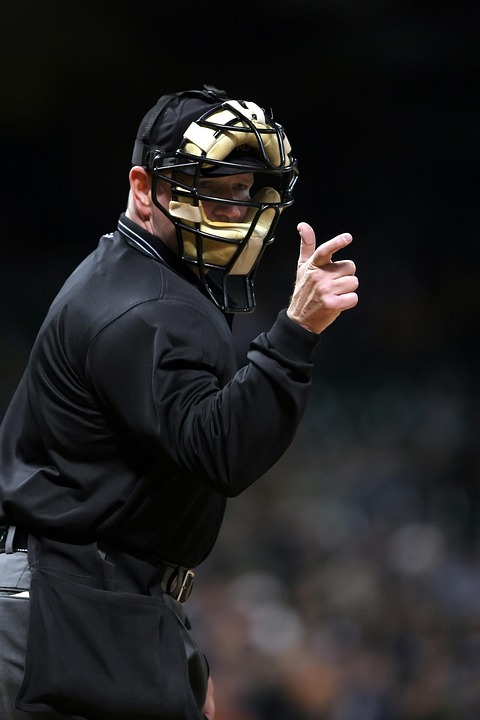


In the world of sports, the spotlight often shines brightest on players, coaches, and teams. However, an essential figure in every game is the umpire, whose role is crucial yet often underappreciated. This article delves into the life of a professional umpire, exploring their responsibilities, challenges, and passion for the game.
The Role of an Umpire
Umpires serve as the guardians of the rules. Their primary responsibility is to enforce the regulations of the game, ensuring fair play and maintaining order. While this role involves making critical decisions, it also includes numerous other responsibilities:
- Rule Enforcement: Umpires ensure all regulations are adhered to, from player conduct to equipment specifications.
- Game Management: Umpires manage the flow of the game, maintaining a schedule and ensuring the rules are applied consistently.
- Conflict Resolution: Umpires serve as mediators during disputes, using their judgement to resolve conflicts swiftly.
- Communication: Umpires communicate with players, coaches, and other officials, ensuring everyone understands the decisions being made.
Training and Development
Becoming a professional umpire requires extensive training. Many start as amateur officials in local leagues, gradually progressing to higher levels of competition. Key aspects of their development include:
- Umpire Schools: Specialized schools teach aspiring umpires the intricacies of the rules, mechanics, and game management skills.
- On-Field Experience: Hands-on experience in lower leagues is crucial, allowing umpires to apply what they’ve learned and develop their judgement.
- Continuous Learning: Professional umpires engage in ongoing education to stay updated on rule changes and enhance their skills.
The Challenges They Face
The life of an umpire is fraught with challenges. From high-pressure situations to the scrutiny of players and fans, the demands of the job are immense. Some common challenges include:
- Pressure of Decision-Making: Umpires must make split-second decisions that can significantly impact the game, often under scrutinizing eyes.
- Dealing with Criticism: Regardless of their training and experience, umpires often face backlash from players, coaches, and fans over their decisions.
- Physical and Mental Toll: The role requires long hours, often in extreme weather conditions, testing both physical endurance and mental acuity.
Passion for the Game
Despite the challenges, many umpires share a deep passion for the sport. This love for the game drives them to excel in their roles and contribute positively to the sporting community. The satisfaction from maintaining the integrity of the sport and fostering fair play is often unmatched.
A Day in the Life
An umpire’s day begins long before the first pitch is thrown. From reviewing game plans to sharpening their skills through mental exercises, preparation is key. On game day, umpires arrive hours in advance to set up, meet with fellow officials, and review any specific rules related to the teams playing.
During the game, umpires maintain focus, track plays, and ensure decisions are made impartially. After the final out, the job isn’t over; they often debrief with fellow officials and evaluate their performances to learn and grow.
Conclusion
The life of a professional umpire is one of dedication, hard work, and unyielding commitment to fairness in the game. While they might operate behind the scenes, their impact on the sport is profound. Understanding and appreciating the role of umpires enriches the experience for players and fans alike, reinforcing the notion that every game needs strong leadership to uphold its integrity.
FAQs
1. How do umpires get assigned to games?
Umpires are typically assigned to games by a governing body, league, or organization. Their assignments might depend on their experience, performance evaluations, and availability.
2. What qualifications do umpires need?
While formal education is not always required, most umpires attend specialized umpire schools and gain experience through local leagues. Certification from a recognized organization often boosts employability.
3. How do umpires deal with the pressure of making tough calls?
Umpires are trained to remain calm and composed under pressure. Mental training, practice, and experience help them to trust their instincts and make decisions effectively.
4. What is the average salary of a professional umpire?
The salary of a professional umpire varies based on the league and experience. In Major League Baseball (MLB), umpires can earn anywhere from $150,000 to $350,000 annually.
5. Do umpires have any pre-game rituals?
Many umpires have pre-game rituals that help them focus and get into the right mindset for the game. These may include warm-up exercises, reviewing rules, or communicating with other officials.