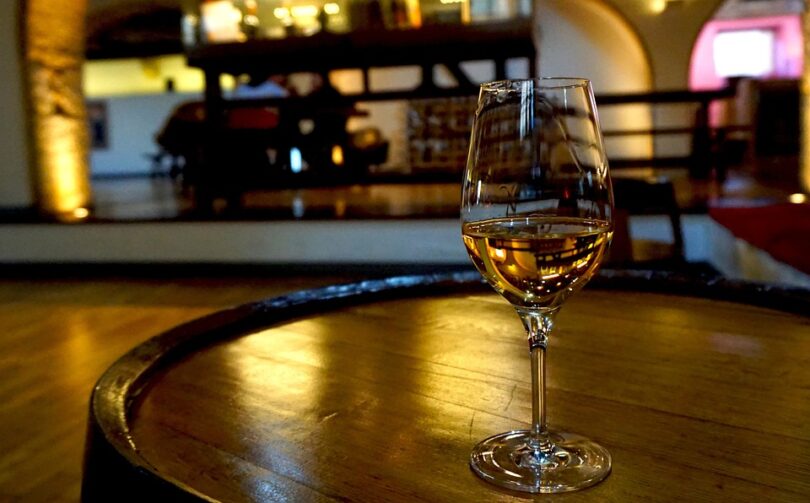


Wine tasting is an art and a science. For those looking to explore the world of wine, understanding the basics is essential. This guide will help beginners navigate the rich and diverse world of wine tasting, from selecting the right wine to understanding its nuances.
1. Understanding Wine Types
Before diving into the tasting process, it’s important to understand the main types of wine. They can generally be categorized into three main groups:
- Red Wine: Made from dark-skinned grape varieties. The skin remains in contact with the juice during fermentation, giving red wine its color.
- White Wine: Typically made from green or yellowish grapes, white wine is produced without the grape skins, resulting in a lighter color.
- Rosé Wine: This wine gets its pink hue from the limited contact with grape skins used in the fermentation process of red grapes.
2. The Wine Tasting Process
Wine tasting can be broken down into four main steps: seeing, swiping, smelling, and savoring.
2.1. Seeing
Examine the wine’s color and clarity by holding the glass against a white background. Take note of the wine’s hue, which can range from pale yellow in white wines to deep purple in red wines.
2.2. Swirling
Swirl the wine gently in the glass. This action helps aerate the wine, releasing its aromas. It can also give you insight into the wine’s viscosity or “legs,” which can indicate alcohol content and body.
2.3. Smelling
Place your nose in the glass and take a deep breath. Try to identify different aromas. Look for fruity, floral, herbal, or earthy notes. This step is crucial, as aroma plays a significant role in the tasting experience.
2.4. Savoring
Take a small sip and let the wine coat your palate. Notice the flavors, texture, acidity, and tannins. Consider how long the flavors last, which is known as the wine’s finish.
3. Food Pairing Basics
Pairing food with wine can enhance both the meal and the wine. Here are some classic pairings:
- Red Wine: Pairs well with red meats, hearty dishes, and rich sauces.
- White Wine: Complements lighter fare, such as chicken, seafood, and salads.
- Rosé Wine: Versatile for many dishes, including grilled vegetables, seafood, and even pizza.
4. Tasting Etiquette
When attending a wine tasting event or gathering, proper etiquette can enhance your experience:
- Be respectful: Listen to others’ opinions and share yours politely.
- Spit or sip: In formal tastings, it’s acceptable to spit out some wine so you can taste more varieties without overindulging.
- Ask questions: Engage with hosts and fellow tasters to learn more about the wines presented.
5. Keeping a Wine Journal
As you begin your wine tasting journey, consider keeping a journal. Record your thoughts on different wines, including:
- The name of the wine
- The region and year
- Flavor notes
- Your overall impressions
This practice will help you remember your experiences and refine your palate over time.
Conclusion
Wine tasting is an enjoyable experience that deepens your appreciation for wine and enhances social gatherings. By understanding the basics, you can confidently explore different wines, discover personal preferences, and impress your friends with your growing knowledge. Remember, the most important part of wine tasting is to have fun and enjoy the journey of discovery!
FAQs
1. Do I need special glasses for wine tasting?
While there are glasses specifically designed for various types of wine, any clean glass will do for a casual tasting. However, a tulip-shaped glass enhances the aroma.
2. How can I improve my wine tasting skills?
Practice is key! Attend tastings, read about wines, and keep a journal to track your experiences and preferences.
3. What’s the best way to store wine?
Keep wine in a cool, dark place, away from vibration. Store bottles horizontally for corked wines to keep the cork moist.
4. How do I know what wine to choose at a restaurant?
Ask the sommelier for recommendations based on your meal, or opt for wines you are familiar with. Don’t hesitate to ask for a glass to taste before committing to a full bottle.
5. Can I taste wine while pregnant?
It’s best to avoid alcohol during pregnancy. If in doubt, consult your healthcare provider.