


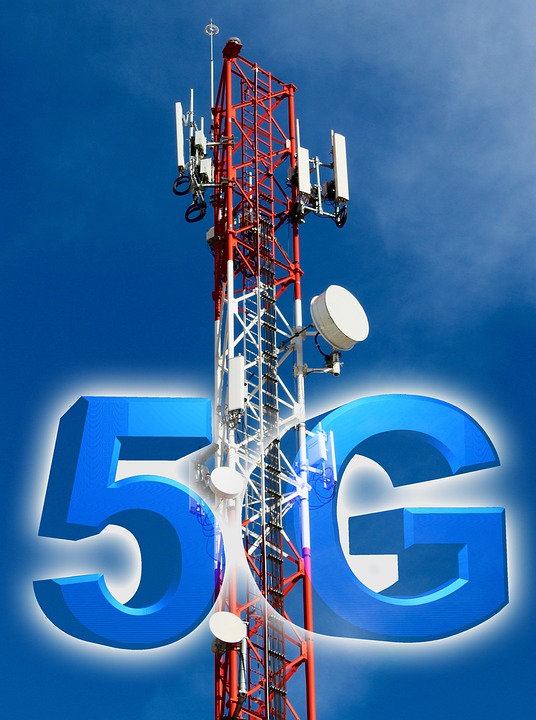


Germany is often recognized as a leader in technological advancement, and its commitment to 5G technology is no exception. As countries around the globe race to implement this transformative technology, Germany stands at the forefront, with a robust strategy aimed at enhancing mobile connectivity and ensuring that its economic future remains bright.
The Importance of 5G Technology
5G technology is the fifth generation of mobile networks, succeeding 4G LTE, and is expected to provide significantly faster data speeds, reduced latency, and greater connectivity for devices. The implications of 5G extend beyond just improved mobile browsing; it is poised to revolutionize several sectors including:
- Healthcare: Enabling remote surgeries and telemedicine through high-speed connections.
- Transportation: Supporting the development of autonomous vehicles and smart traffic management systems.
- Manufacturing: Facilitating the Internet of Things (IoT), improving automation and efficiency in factories.
- Entertainment: Enhancing the gaming experience with VR and AR technologies.
Germany’s 5G Strategy
The German government has laid out ambitious plans to roll out 5G across the country. In 2019, the federal government auctioned off 5G spectrum frequencies to major telecommunications companies: Deutsche Telekom, Vodafone, and Telefónica. This structured rollout is guided by key objectives:
- Wide coverage across urban and rural areas.
- Fostering competition among telecom operators to ensure better services and pricing.
- Promoting innovation through public-private partnerships.
Infrastructure Development
To support 5G implementation, substantial investments in infrastructure are essential. Germany has been actively setting up new base stations and upgrading existing ones. Additionally, the government is smoothing regulatory pathways to facilitate faster construction of necessary infrastructure. Notable efforts include:
- Streamlining the permission process for new mobile towers.
- Encouraging local municipalities to collaborate on infrastructure sharing.
- Funding initiatives to enable rural areas to access 5G technology.
Challenges Ahead
Despite the ambitious plans, Germany faces several challenges in its quest for a 5G revolution:
- Regulatory Hurdles: Navigating complex regulations at various levels of government can slow down deployment.
- Investment Costs: The financial burden of infrastructure investment is significant, particularly for smaller telecom companies.
- Public Resistance: Concerns over health implications and environmental impact can lead to public opposition against the installation of new towers.
Real-World Applications and Innovations
Several pilot projects across Germany have showcased the potential of 5G technology. For instance:
- Smart Cities: Cities like Berlin and Munich are experimenting with connected infrastructure that can enhance public transport and utilities management.
- Agriculture: Farmers are using 5G for precision farming, utilizing drones and IoT devices to monitor crop health.
- Industry 4.0: Manufacturing plants are integrating 5G to automate processes and use real-time data for decision making.
The Future of 5G in Germany
The trajectory of 5G in Germany looks promising. The government aims for comprehensive nationwide coverage by 2025, and projections suggest that the economic impact could be substantial, potentially adding billions to the economy. As digital transformation accelerates, 5G will be at the heart of innovations in various sectors.
Conclusion
Germany’s pursuit of 5G technology signals a pivotal shift in mobile connectivity and its implications across industries. The collaborative efforts between the government, telecom operators, and private sectors showcase Germany’s commitment to leading this technological revolution. While challenges do exist, the potential benefits of a fully operational 5G network are immense, paving the way for a smarter, more connected future.
FAQs
What is 5G technology?
5G is the fifth generation of mobile network technology, offering faster data speeds, lower latency, and enhanced connectivity for various applications, including smartphones and IoT devices.
How will 5G impact everyday life in Germany?
5G will enable faster internet connections for mobile devices, support innovations in smart cities, healthcare, autonomous vehicles, and improve overall connectivity in rural and urban areas.
What are the main challenges facing 5G implementation in Germany?
Challenges include regulatory hurdles, high investment costs, public resistance due to health concerns, and the need for significant infrastructure development.
When can we expect widespread 5G coverage in Germany?
The German government aims for comprehensive nationwide 5G coverage by 2025, with urban areas seeing rollout speeds that exceed current network capabilities much sooner.


