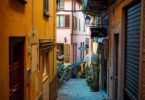
Albania, a small but captivating country located on the Balkan Peninsula, is often overshadowed by its more famous neighbors like Greece and Italy. However, this hidden gem is filled with stunning landscapes, rich history, and vibrant culture, all waiting to be discovered by adventurous travelers. In this article, we will explore some of the lesser-known attractions and experiences that make Albania a must-visit destination.
1. The Enchanting Albanian Riviera
While many flock to the popular beaches of the Albanian Riviera, a few hidden spots offer a more serene experience. Beaches like Jale Beach and Gjipe Beach boast crystal-clear waters and unspoiled landscapes. The drive to these locations is equally breathtaking, winding along the coast with views that make every moment worthwhile.
Don’t miss the village of Himara, known for its laid-back atmosphere and delicious seafood. Here, the combination of sun-kissed beaches and lush green mountains creates a picturesque landscape that’s perfect for relaxation or adventurous exploration.
2. The Historical Treasures of Berat
Berat, a UNESCO World Heritage Site, is often referred to as the “Town of a Thousand Windows.” The white Ottoman houses that climb the hillside create a striking visual. The Berat Castle stands guard over the town, providing insights into Albania’s rich history dating back to the 4th century BC.
Inside the castle, explore the numerous churches and museums, particularly the Onufri National Museum, which showcases the work of the famous iconographer Onufri. Wandering through the narrow cobblestone streets, one can sense the timeless charm of this historical treasure.
3. Gjirokastër: The City of Stone
Known as the “City of Stone,” Gjirokastër is another UNESCO World Heritage site that captivates with its Ottoman architecture. The Gjirokastër Castle, which looms above the town, offers panoramic views and a glimpse into the past.
Visit the Ethnographic Museum, housed in the former home of the Albanian dictator Enver Hoxha, to learn about the nation’s traditional way of life. The town’s distinctive stone houses, some dating back to the 18th century, showcase the rich cultural heritage and architectural styles unique to the region.
4. Discovering the Albanian Alps
If you’re a nature enthusiast, the Albanian Alps—or Accursed Mountains—should be on your itinerary. Remote villages such as Valbona and Theth offer stunning hiking trails and breathtaking views. The hike from Valbona to Theth is particularly popular, allowing trekkers to immerse themselves in the natural beauty of rugged peaks and lush valleys.
The hospitality of the local people adds to the unique experience, with guesthouses offering traditional meals and warm welcomes. Here, one can indulge in the simple pleasures of life amidst the pristine beauty of nature.
5. The Ancient Ruins of Butrint
Located near the Greek border, the ancient city of Butrint is steeped in history and legend, making it another UNESCO World Heritage Site worth visiting. The ruins, which date back thousands of years, include an ancient theater, Roman villas, and remnants of early Christian churches.
Exploration of Butrint is an enchanting journey through time, surrounded by lush greenery and a tranquil atmosphere. The site not only provides historical insights but also an opportunity to reflect on the passing of time against the backdrop of beautiful landscapes.
6. Experience Albanian Cuisine
No journey through Albania would be complete without savoring the local cuisine. Traditional dishes like fërgesë (a baked dish of peppers, tomatoes, and cheese) and byrek (savory pie) reflect the country’s diverse influences and rich agricultural traditions.
Be sure to visit local markets and try fresh produce, olives, and cheeses. The hospitality of the Albanian people is evident in their culinary culture, as meals are often an affair to be shared with family and friends.
Conclusion
Albania offers a wealth of hidden gems just waiting to be discovered. From its stunning natural landscapes to its rich history and culinary delights, the country is perfect for those looking to venture off the beaten path. Whether it’s the enchanting beaches of the Riviera, the historical treasures of Berat and Gjirokastër, or the breathtaking beauty of the Albanian Alps, there’s something for every kind of traveler. So pack your bags and experience Albania—a place where tradition meets stunning beauty, inviting you to explore its many wonders.
FAQs
1. Is Albania safe for tourists?
Yes, Albania is generally considered safe for tourists. Like in any country, it’s advisable to take standard precautions and remain aware of your surroundings.
<h3>2. What is the best time to visit Albania?</h3>

<p>The best time to visit Albania is during the spring (April to June) and early fall (September to October), when the weather is pleasant, and tourist crowds are smaller.</p>
<h3>3. Do I need a visa to visit Albania?</h3>

<p>This depends on your nationality. Citizens of many countries can enter Albania visa-free for up to 90 days. Check your specific entry requirements before traveling.</p>
<h3>4. What language is spoken in Albania?</h3>

<p>The official language is Albanian. While many people in tourist areas speak some English, learning a few basic phrases in Albanian can enhance your experience.</p>
<h3>5. What is the currency used in Albania?</h3>

<p>The currency of Albania is the Albanian Lek (ALL). Credit cards are accepted in larger cities, but it’s advisable to carry some cash for rural areas.</p>