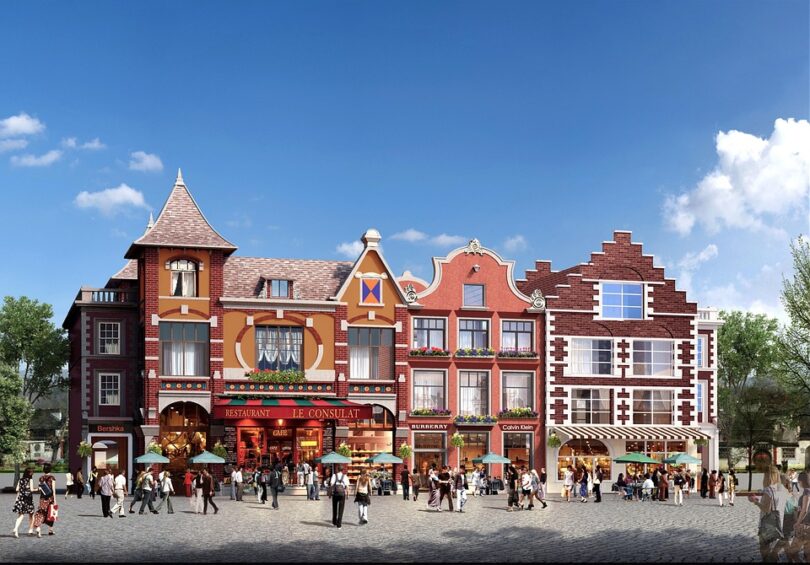


Dutch street style is a fascinating tapestry woven from threads of tradition and modernity. It reflects the country’s rich cultural history, aesthetic sensibilities, and a progressive mindset. As one of Europe’s most dynamic fashion destinations, the Netherlands offers a unique blend of styles that exemplify both individualism and collective identity.
The Foundation of Dutch Street Style
The roots of Dutch street style can be traced back to the 17th century, a Golden Age for the Netherlands when art, culture, and fashion flourished. Iconic artists such as Rembrandt and Vermeer captured the essence of Dutch life, which included meticulous detail in clothing. Traditional garments like the klompen (wooden shoes) and kinderkleding (children’s clothing), still resonate today, melding classic styles with contemporary influences.
Modern Influences
In the 21st century, Dutch street style has evolved dramatically. The influence of urban culture, global trends, and technological advancements has led to a distinctive approach to fashion that is both innovative and multifunctional. Several factors contribute to this evolution:
- Globalization: The interconnectivity brought about by the internet has led to a fusion of global fashion trends, allowing Dutch styles to incorporate elements from different cultures.
- Sustainability: A growing awareness of environmental issues has ushered in a wave of sustainable fashion, with designers focusing on ethical practices and eco-friendly materials.
- Street Arts: The vibrant street art scene in cities like Amsterdam and Rotterdam plays a significant role in inspiring fashion designers and enthusiasts alike.
Key Elements of Dutch Street Style
While infused with contemporary trends, Dutch street style remains deeply rooted in tradition. Here are some key elements that define the aesthetic:
1. Layering
Layering is a signature aspect of Dutch street style. It allows individuals to adapt to the often unpredictable Dutch weather while showcasing personal style. Outfits commonly include multiple layers—think turtlenecks under shirts, oversized jackets, and eclectic scarves.
2. Color Palette
Unlike some fashion capitals that favor bold colors, Dutch street style tends to lean towards a more muted color palette. Earth tones like beige, olive green, and rust are often paired with pastels, creating a cozy yet chic look.
3. Footwear
This style frequently includes practical yet stylish footwear. Sneakers, chunky boots, and of course, the iconic klompen, highlight a focus on comfort without sacrificing aesthetics.
4. Accessories
Accessories are a vital aspect of Dutch street style. Statement bags, quirky hats, and unique jewelry pieces often add a personal touch to outfits, showcasing individuality.
Fashion Events and Platforms
To immerse oneself in Dutch street style, one must experience the vibrant fashion events and platforms in the Netherlands. Events such as Amsterdam Fashion Week and the Dutch Design Week spotlight local talent and innovative designs. These gatherings serve as essential platforms for emerging designers who blend traditional elements with modern innovation.
Influencers and Icons
Several Dutch influencers and fashion icons have become prominent figures in the global fashion scene. They embody the essence of Dutch street style, using their platforms to inspire others. Their unique takes on fashion emphasize the importance of authenticity, making it a vital part of the Dutch style narrative.
Conclusion
Dutch street style serves as a captivating example of how tradition and modernity can coexist harmoniously. It reflects the country’s rich cultural heritage while embracing contemporary influences. As globalization continues to weave new threads into the fabric of fashion, the Netherlands stands at the forefront of cultivating a unique style that celebrates both individuality and community. With its emphasis on sustainability, comfort, and creativity, Dutch street style not only influences local trends but also resonates globally, making it a vital point of reference in the ever-evolving world of fashion.
FAQs
Q1: What defines Dutch street style?
A1: Dutch street style is characterized by a blend of traditional and modern elements, focusing on practicality, comfort, and sustainability. It often features layering, muted color palettes, and unique accessories.
Q2: How can I incorporate Dutch street style into my wardrobe?
A2: To embrace Dutch street style, focus on layering pieces, opt for earth tones, and invest in comfortable yet stylish footwear. Don’t forget to add unique accessories that reflect your personality.
Q3: Where can I find more information about Dutch fashion events?
A3: Major fashion events like Amsterdam Fashion Week and Dutch Design Week provide excellent insight into local talent and emerging trends. You can follow their websites or social media channels for updates.
Q4: Who are some influential figures in Dutch fashion?
A4: Influential figures include designers and fashion bloggers who promote Dutch street style on platforms like Instagram and blogs, contributing to the global dialogue on fashion and aesthetic. Look for local fashion influencers for inspiration.