


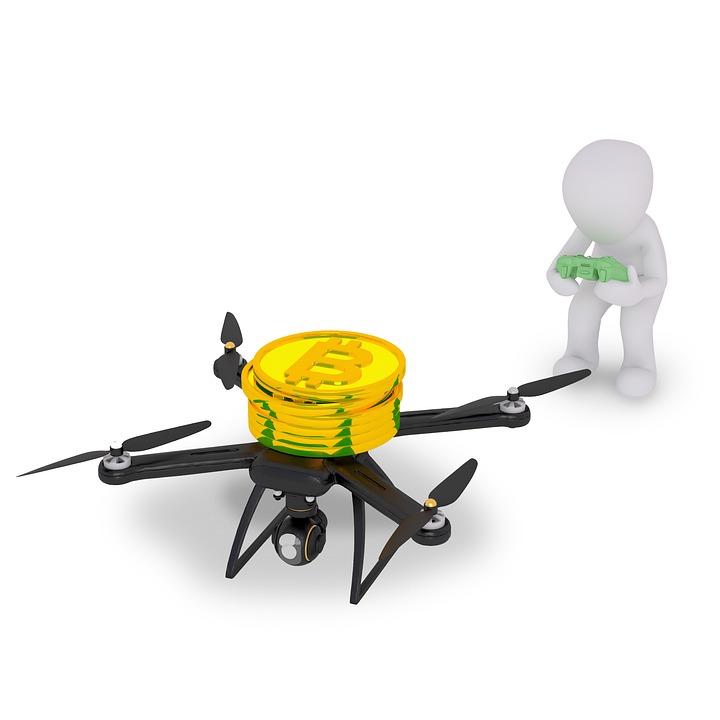


In an era where data breaches and centralized authority often dominate headlines, decentralized applications (dApps) offer a viable alternative to traditional application models. The rise of blockchain technology has not only paved the way for cryptocurrencies but has also given rise to a new paradigm of digital applications that operate without a centralized control structure. This shift is reshaping digital ecosystems by providing users with more control over their data, increasing transparency, and promoting innovation.
Understanding Decentralized Applications
Decentralized applications are software programs that run on peer-to-peer networks, typically utilizing blockchain technology to enable secure, transparent, and trustless interactions between users. Unlike traditional applications that rely on centralized servers, dApps are hosted across multiple nodes in a network, making them resistant to censorship and single points of failure.
Key Features of dApps
- Decentralization: Eliminates the need for a single authority, distributing data across multiple nodes.
- Transparency: Operations are recorded on a blockchain, providing an immutable record accessible to all participants.
- Security: Utilizes cryptographic techniques to protect data from unauthorized access and manipulation.
- Interoperability: Can operate across different blockchain networks, fostering collaboration and integration.
The Impact of dApps on Digital Ecosystems
The emergence of dApps is significantly affecting various sectors including finance, healthcare, supply chain management, and social media, among others. Here’s how dApps are reshaping these digital ecosystems:
1. Financial Services
Decentralized finance (DeFi) is one of the most disruptive applications of dApps. It offers users financial services such as lending, borrowing, and trading without intermediaries. Smart contracts automate transactions, reducing costs and improving access to financial services, especially in underserved regions.
2. Healthcare
In healthcare, dApps can securely store and share patient data, ensuring privacy while promoting interoperability among healthcare providers. This not only enhances patient care but also facilitates research and clinical trials by providing access to accurate data without compromising on security.
3. Supply Chain Management
dApps improve traceability and transparency in supply chains. By recording each transaction on a blockchain, stakeholders can monitor the movement of goods in real-time, ensuring quality control and reducing fraud.
4. Social Media and Content Sharing
Decentralized social media platforms allow users to control their data and monetize their content without the interference of large corporate entities. This shifts the power dynamic back to users and encourages creative freedom.
The Challenges Ahead
Despite the numerous advantages that dApps provide, several challenges remain that could impede their widespread adoption:
- User Experience: Many dApps currently offer complex interfaces and require a certain level of technical knowledge, which can deter mainstream users.
- Regulatory Concerns: The decentralized nature of dApps raises questions about compliance with existing laws and regulations, particularly concerning data protection and financial transactions.
- Scalability: As user demand increases, many blockchain networks face scalability issues, which can affect transaction speed and cost.
Conclusion
Decentralized applications are unlocking new possibilities for digital ecosystems, providing enhanced security, transparency, and user agency. As they continue to evolve and address existing challenges, the potential for reshaping traditional industries is immense. The future of dApps could herald a shift towards more equitable digital environments, where users reign supreme and trust is built through technology rather than authority.


