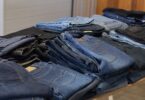
The fashion industry has long been characterized by rapid trends, fast production, and even faster waste. However, the tide is turning as recycled fashion emerges as a powerful movement reshaping how we think about clothing and sustainability. This article explores how recycled fashion is changing the industry and paving the way for a more sustainable future.
The Rise of Recycled Fashion
Over the last decade, consumer awareness about environmental issues has increased significantly. Issues such as pollution, landfill overcrowding, and the exploitation of resources have prompted many to reconsider their buying habits. As a response, the concept of recycling in fashion has taken center stage. Brands are not only adopting sustainable practices but also creating collections that showcase recycled materials.
How Recycled Fashion Works
Recycled fashion involves the use of pre-existing materials and fabrics to create new clothing and accessories. This can include:
- Reclaimed Textiles: Fabrics that are sourced from unsold stock, damaged garments, or textile waste.
- Post-Consumer Waste: Clothing that has been worn and discarded, then repurposed into new items.
- Upcycling: Transforming old garments into new pieces that maintain or enhance their value.
The process not only reduces waste but also decreases the carbon footprint associated with the production of new fabrics. By leveraging existing materials, brands can create unique pieces that appeal to environmentally conscious consumers.
Brands Leading the Way
Several pioneering brands are at the forefront of the recycled fashion movement:
- Patagonia: Known for its commitment to sustainability, Patagonia uses recycled materials in many of its products and encourages customers to repair and recycle their clothing.
- Eileen Fisher: This brand has launched initiatives to recycle old garments into new pieces, as well as offering a take-back program.
- Reformation: Using sustainable fabrics, Reformation focuses on transparency in its production process. The brand incorporates recycled materials in many of its collections.
The Impact on the Environment
The environmental benefits of recycled fashion are significant. Some of the positive impacts include:
- Reduced Waste: By recycling and upcycling materials, less waste ends up in landfills.
- Less Resource Consumption: Utilizing recycled materials reduces the need for new raw materials, conserving water and energy.
- Lower Carbon Emissions: The process of producing new textiles is energy-intensive; recycling reduces overall emissions.
Transforming Consumer Behavior
The shift towards recycled fashion is also changing consumer attitudes towards fashion. Shoppers are becoming more conscious of their purchasing decisions. They now often consider:
- The environmental impact of the garments they choose.
- Whether brands align with their values regarding sustainability.
- The lifespan of clothing and its potential for recycling.
Many consumers are now opting for quality over quantity, seeking out unique, sustainably made pieces instead of fast fashion throwaways.
The Future of Recycled Fashion
As the recycled fashion movement grows, innovation will continue to play a crucial role. Advancements in technology are enabling better processing techniques and new recycling methods, which could revolutionize how materials are reused in fashion. Moreover, collaborations between designers, brands, and environmental organizations will likely lead to creative solutions and enhanced awareness.
In addition, educational campaigns aimed at consumers will further promote sustainable choices and highlight the benefits of recycled materials. The fashion industry stands on the brink of a transformative shift, and recycled fashion will play a pivotal role in that evolution.
Conclusion
Recycled fashion is more than a trend; it’s a necessary shift towards sustainability in an industry known for excess and waste. By embracing recycled materials and innovative practices, the fashion industry can significantly reduce its environmental footprint. As consumers become more informed and demanding, brands that prioritize sustainability will not only thrive but also contribute positively to the planet. The future of fashion lies in our collective ability to thread sustainability into the very fabric of the industry.
FAQs
What is recycled fashion?
Recycled fashion involves creating clothing and accessories from pre-existing materials to reduce waste and environmental impact.
How does recycled fashion benefit the environment?
It reduces waste, conserves resources, and lowers carbon emissions associated with the production of new textiles.
Are there any brands known for recycled fashion?
Yes, notable brands include Patagonia, Eileen Fisher, and Reformation, which all prioritize sustainability and use recycled materials.
What is the difference between recycling and upcycling?
Recycling usually involves breaking down materials for reuse, while upcycling transforms old items into new products with enhanced value.
How can consumers support recycled fashion?
Consumers can support recycled fashion by choosing brands that prioritize sustainability, purchasing second-hand clothing, and participating in recycling initiatives.