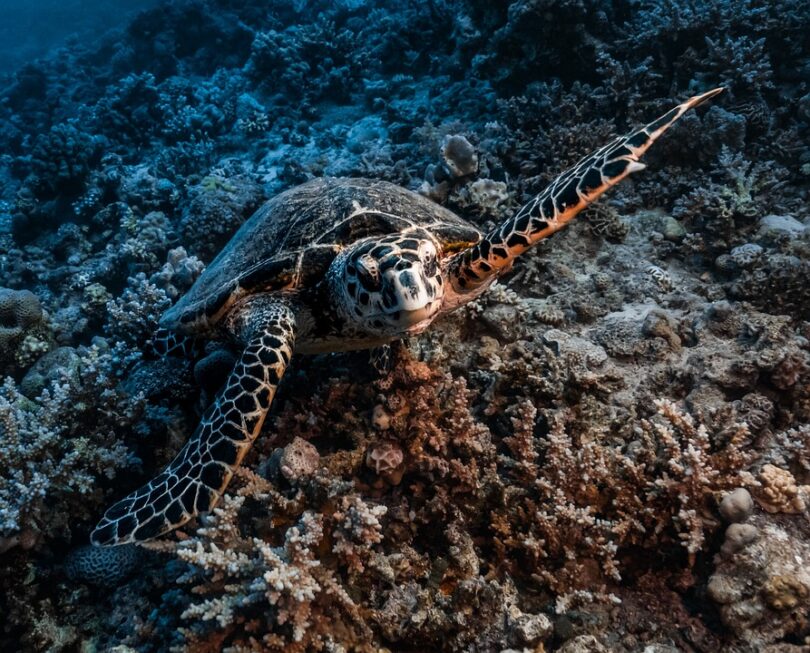


Scuba diving is one of the most exhilarating adventures you can experience. It offers a unique opportunity to explore the underwater world, where vibrant marine life and stunning landscapes await. If you are considering taking the plunge into this mesmerizing hobby, this guide will help you get started.
What is Scuba Diving?
Scuba diving is an underwater diving technique using a self-contained underwater breathing apparatus (scuba) to breathe underwater. This allows divers to stay submerged for extended periods while exploring the depths of oceans, lakes, and rivers.
Benefits of Scuba Diving
- Connection with Nature: Scuba diving provides an intimate experience with marine wildlife and ecosystems.
- Stress Relief: The serene underwater environment helps reduce stress and improve mental health.
- Physical Fitness: Swimming and diving increase your physical fitness and overall well-being.
- Community: Scuba diving fosters a strong camaraderie among divers, creating lasting friendships.
Getting Started with Scuba Diving
1. Choose a Certification Agency
Before diving, getting certified is critical for safety and skill. Various agencies provide scuba certification, such as:
- PADI (Professional Association of Diving Instructors)
- NAUI (National Association of Underwater Instructors)
- SSI (Scuba Schools International)
2. Find a Reputable Dive Shop
Look for local dive shops with good reviews and professional instructors. Consider their offered courses and the types of diving experiences provided.
3. Take a Classroom Course
Enroll in a classroom session or an online course to learn about diving theory, safety practices, and equipment usage. Understanding the basics will prepare you for practical diving.
4. Gear Up
Your gear is crucial for a safe and enjoyable diving experience. Here’s a list of essential equipment:
- Mask: A good-quality mask enhances visibility underwater.
- Snorkel: Helps you breathe while at the surface.
- Fins: Aid in efficient movement through the water.
- Wetsuit or Drysuit: Protects against temperature changes and marine hazards.
- Buoyancy Control Device (BCD): Helps you manage your buoyancy while diving.
- Regulator: Delivers air from your tank to you.
- Tank: Contains the compressed air you will breathe.
Practical Diving Skills
1. Entry Techniques
Learn various entry techniques such as the giant stride and back roll. Your instructor will demonstrate the best method for your dive environment.
2. Equalization
Equalizing your ears is crucial to avoid discomfort as you dive deeper. Techniques such as the Valsalva Maneuver help in equalizing pressure.
3. Buoyancy Control
Good buoyancy control is vital for preventing negative impacts on marine life and your safety. Practice using your BCD correctly to maintain neutral buoyancy.
4. Underwater Communication
Learn basic hand signals to communicate with your dive buddy. This is essential for ensuring safety and sharing experiences.
Safety Tips for Scuba Divers
- Always dive with a buddy.
- Plan your dive and dive your plan.
- Stay within your limits and follow safe diving practices.
- Keep your equipment well-maintained and regularly checked.
- Be aware of environmental conditions and potential hazards.
Conclusion
Scuba diving can be an incredible way to connect with the underwater world. By learning the proper skills, acquiring the right gear, and following safety guidelines, you can ensure a thrilling and safe diving experience. Dive into your journey, respect the ocean, and explore the breathtaking beauty it offers.
FAQs
1. Do I need to be a good swimmer to scuba dive?
While you don’t need to be an Olympic swimmer, basic swimming skills are necessary. You should feel comfortable in the water and be able to swim 200-300 meters.
2. What is the minimum age to start scuba diving?
The minimum age varies by certification agency, but most require participants to be at least 10-12 years old.
3. How deep can I dive as a beginner?
As a newly certified open water diver, you can typically dive to a maximum depth of 18 meters (60 feet). More advanced certifications will allow greater depths.
4. What happens if I run out of air underwater?
This is why buddy diving is essential. Always monitor your air level, and if your air runs low, use your buddy’s spare regulator or ascend to the surface slowly.
5. Is scuba diving expensive?
The cost can vary widely based on equipment, certification, and diving destination. Generally, expect to pay for gear rental or purchase, training courses, and diving trips.