


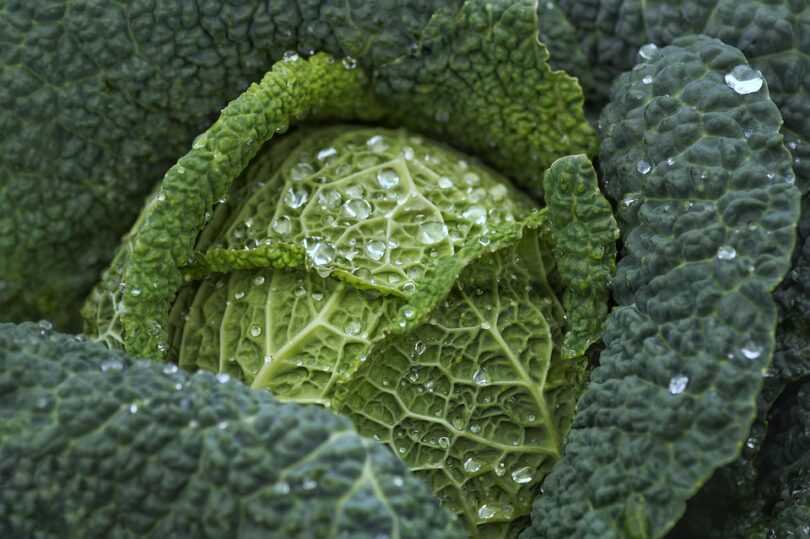


Kale, often referred to as a superfood, is celebrated for its incredible health benefits and versatility in the kitchen. This leafy green is packed with vitamins, minerals, and antioxidants, making it a fantastic addition to any diet. Whether you are looking for ways to include kale in your breakfast, lunch, dinner, or snacks, this guide has got you covered with delicious recipes for every meal.
1. Health Benefits of Kale
Kale is not just a trend; it’s a nutrient powerhouse. Here are some of its key health benefits:
- Rich in Nutrients: Kale is loaded with vitamins A, K, C, and several B vitamins.
- High in Antioxidants: It contains numerous antioxidants, which help combat oxidative stress.
- Supports Heart Health: Kale helps lower cholesterol levels and promotes heart health.
- Bone Health: The high vitamin K content is crucial for bone health.
- Weight Management: Low in calories and high in fiber, it aids in weight control.
2. Breakfast Recipes
Kale and Spinach Smoothie
Start your day with a nutritious smoothie. Blend together:
- 1 cup kale, stems removed
- 1 cup spinach
- 1 banana
- 1 cup almond milk
- 1 tablespoon almond butter
This smoothie is not only delicious but also energizing, providing a great start to your day.
Kale Scramble
For a hearty breakfast option, try this kale scramble:
- 2 eggs
- 1 cup chopped kale
- ¼ cup diced tomatoes
- Salt and pepper to taste
Simply scramble the eggs in a pan, add the kale and tomatoes, and season to taste. This dish is packed with protein and nutrients.
3. Lunch Recipes
Kale Salad with Quinoa and Chickpeas
This colorful salad is filling and flavorful:
- 2 cups chopped kale
- 1 cup cooked quinoa
- 1 cup cooked chickpeas
- ½ cup diced cucumbers
- ½ cup cherry tomatoes
- 1 tablespoon olive oil
- Juice of 1 lemon
- Salt and pepper to taste
Toss all ingredients together for a refreshing and nutrient-dense lunch.
Kale Pesto Pasta
Make a flavorful pasta dish by making a kale pesto:
- 2 cups kale
- ½ cup walnuts
- 1 garlic clove
- ½ cup olive oil
- ½ cup Parmesan cheese
Blend all ingredients to form a pesto, mix it with your choice of pasta, and enjoy!
4. Dinner Recipes
Kale and White Bean Soup
This hearty soup is perfect for a cozy dinner:
- 1 can white beans, rinsed
- 2 cups chopped kale
- 4 cups vegetable broth
- 1 onion, diced
- 2 cloves garlic, minced
- Salt and pepper to taste
Sauté the onion and garlic, add the broth and beans, then stir in the kale until wilted. A wholesome meal!
Kale Stir-Fry
For a quick dinner option, try a kale stir-fry:
- 2 cups chopped kale
- 1 bell pepper, sliced
- 1 carrot, julienned
- 2 tablespoons soy sauce
- 1 tablespoon sesame oil
Stir-fry the veggies in sesame oil, add kale and soy sauce, and cook until tender. Serve over rice or noodles.
5. Snack Ideas
Kale Chips
For a healthy snack, make kale chips:
- 1 bunch kale, torn into pieces
- 1 tablespoon olive oil
- Salt to taste
Toss kale with olive oil and salt, spread on a baking sheet, and bake at 350°F (175°C) for about 10-15 minutes until crispy.
Kale Hummus
Blend kale into your favorite hummus recipe for an extra nutritional boost. Enjoy it with veggies or whole-grain crackers.
Conclusion
Kale is a versatile green that can be incorporated into meals throughout the day. Packed with nutrients and flavor, it can easily become a staple in your kitchen. From smoothies to soups, this leafy green offers endless possibilities for delicious and healthy eating. So go ahead, explore these recipes, and enjoy the incredible benefits of kale!
FAQs
1. How do I store fresh kale?
Store fresh kale in the refrigerator wrapped in a damp paper towel and placed in a plastic bag. It can last up to a week.
2. Can I eat kale raw?
Yes, kale can be eaten raw in salads or smoothies, but massaging the leaves with olive oil can make them more tender.
3. What is the best way to cook kale?
Kale can be sautéed, steamed, or added to soups. Cooking time varies, but typically, 5-10 minutes is sufficient to soften it.
4. Is kale better for you than spinach?
Both kale and spinach offer unique health benefits. Kale has more vitamin K, while spinach is higher in iron. Varying your greens is ideal!


