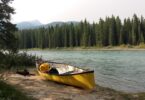
Paddleboarding is an exhilarating water sport that combines balance, strength, and a deep appreciation for nature. Whether you’re gliding over calm lakes, surfing gentle waves, or navigating rivers, paddleboarding offers a perfect way to explore the great outdoors. If you’re just getting started, this ultimate beginner’s guide is packed with essential tips and tricks to help you embark on your paddleboarding journey with confidence.
Getting Started: Choosing the Right Board
Selecting the right paddleboard is crucial for a positive experience. Here are some factors to consider:
- Types of Boards: There are primarily three types of paddleboards: all-around, touring, and surf. All-around boards are versatile and great for beginners, while touring boards are longer and designed for speed. Surf boards are shorter and more maneuverable.
- Length and Width: Longer boards (10-12 feet) offer better speed and tracking, while wider boards (30-36 inches) provide enhanced stability.
- Material: Paddleboards come in hard and inflatable forms. Inflatable boards are portable and durable, making them ideal for beginners.
Essential Gear for Paddleboarding
Alongside your board, you’ll need a few essential items:
- Paddle: Choose a paddle that’s about 6-8 inches taller than you. Look for an adjustable paddle that suits different paddlers if you plan to share your equipment.
- Personal Flotation Device (PFD): Always wear a PFD for safety. Ensure it fits well and complies with local regulations.
- Leash: This is crucial to prevent your board from floating away if you fall off.
- Sun Protection: Apply sunscreen, wear a hat, and use sunglasses to protect yourself from harmful UV rays.
Basic Techniques for Paddleboarding
Once you have your gear, it’s time to learn some basic techniques:
How to Stand Up
1. Begin on your knees at the center of the board for stability.
2. Place your hands on either side of the board to push yourself up slowly.
3. Once standing, keep your feet shoulder-width apart, knees slightly bent, and body centered over the board.
Paddling Techniques
1. Hold the paddle with one hand on the top grip and the other at the base.
2. Submerge the blade fully in the water and pull it back in a straight line alongside the board.
3. Alternate sides to maintain a straight path; ensure your strokes are fluid and even.
Turning Your Board
To turn your board, you can do the following:
- Pivot Turn: Paddle on one side aggressively to turn the board in that direction.
- Sweep Turn: Extend your paddle out to the side and sweep it back to create a wider turn.
Staying Safe on the Water
Safety should always be your top priority. Here are some safety tips:
- Always inform someone about your paddleboarding plans, including your expected return time.
- Be aware of local weather conditions and any watercraft traffic.
- Stay close to the shore to make it easier to reach land if needed.
- Learn how to fall safely; try to fall flat on the surface of the water to reduce the impact.
Common Mistakes to Avoid
As a beginner, you might encounter some pitfalls. Here are common mistakes to watch out for:
- Overgripping the Paddle: This can cause fatigue. Relax your grip for better control.
- Positioning Your Feet: Having your feet too far back can destabilize your board. Keep them centered.
- Leaning Too Far: Stay upright and engage your core to maintain balance.
- Ignoring Local Regulations: Always check for specific paddling laws in the area you’re visiting.
Conclusion
Paddleboarding is a delightful way to enjoy nature, improve your fitness, and unwind. By choosing the right equipment, mastering basic techniques, and following safety protocols, you can ensure a rewarding experience on the water. Remember that practice makes perfect; the more time you spend paddleboarding, the more adept you’ll become. Enjoy your adventures, and don’t forget to have fun!
Frequently Asked Questions (FAQs)
1. Do I need to be physically fit to start paddleboarding?
No, while a certain level of fitness can help, paddleboarding is accessible for all ages and fitness levels. Start slow, and build your skills and stamina over time.
2. Can I paddleboard if I can’t swim?
While it’s highly recommended to know how to swim, if you plan to paddle in calm waters and wear a life jacket, you can still enjoy the activity. Just be cautious and practice in shallow areas.
3. What is the best time of year to go paddleboarding?
The best time typically depends on your location. Spring and summer are popular for warmer temperatures, but early mornings or late evenings in the fall can offer calm waters and beautiful scenery.
4. How long can I stay out paddleboarding?
This depends on your comfort and stamina. Beginners may start with 30-60 minutes and gradually increase as they become more accustomed to the activity.
5. Do I need a special permit to paddleboard?
Check local regulations regarding paddleboarding. Some areas may require permits, especially on lakes or rivers, so research in advance.