


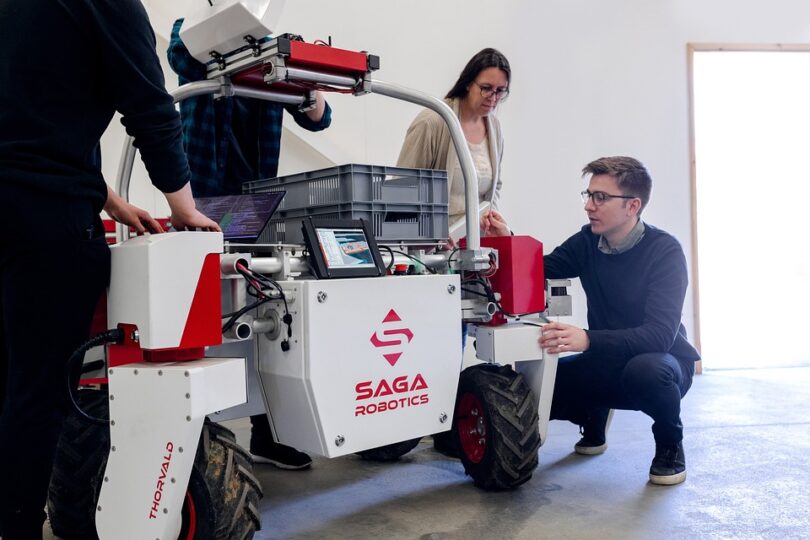


Germany has witnessed a remarkable transformation in its technology sector over the last decade. Emerging as a focal point for software engineering, the nation has nurtured a vibrant ecosystem conducive to innovation and entrepreneurship. This article delves into the factors contributing to the rise of software engineering hubs in Germany, examining the burgeoning tech ecosystem and its implications for the future.
A Thriving Market Landscape
Germany’s tech ecosystem has flourished due to a combination of factors, including a robust economy, an educated workforce, and a strong emphasis on research and development (R&D). Cities such as Berlin, Munich, and Hamburg have emerged as leading tech hubs, attracting startups, established companies, and talent from around the world.
Berlin, in particular, has garnered attention as Europe’s startup capital, offering a vibrant atmosphere for innovation. The city boasts numerous co-working spaces, incubators, and accelerators that foster collaboration among entrepreneurs. Its multicultural environment, relatively low cost of living, and a strong support system make Berlin an attractive destination for tech talent.
Government Support and Policies
The German government has played a pivotal role in nurturing the tech ecosystem. Initiatives such as “go-digital” and the “High-Tech Strategy” aim to promote digitalization and support startups. The government provides funding opportunities and programs to help emerging tech companies scale their operations.
Moreover, the nation’s stable regulatory framework facilitates business operations while ensuring compliance with international standards. This stability instills confidence in investors and entrepreneurs, further accelerating the growth of the tech industry.
The Role of Universities and Research Institutions
Germany is home to some of the world’s top universities and research institutions, which significantly contribute to the tech ecosystem. Universities such as the Technical University of Munich (TUM) and RWTH Aachen play a crucial role in nurturing talent and fostering innovation through collaborations with industry players.
These institutions often engage in research projects that align with industry needs, ensuring that students are equipped with relevant skills. This synergy between academia and industry propels innovation, leading to the development of cutting-edge technologies and solutions.
The Startup Culture and Community
The startup culture in Germany is robust, characterized by a collaborative community that shares knowledge and resources. Networking events, tech meetups, and hackathons are commonplace, providing platforms for entrepreneurs to connect, learn, and showcase their innovations.
Furthermore, Germany holds a unique position as a gateway to the European market. Its strategic location and strong economic ties with various European countries make it an ideal base for startups aiming to expand their reach. This advantage is particularly attractive for international newcomers, fueling the influx of diverse talent and ideas.
Investment and Funding Opportunities
Investment in German tech startups has seen significant growth, with both local and international investors eager to tap into the potential of the tech ecosystem. Venture capital firms and investment groups increasingly recognize Germany as a fertile ground for high-growth opportunities.
Moreover, events like the Berlin Startup Night and the Bits & Pretzels conference attract thousands of investors, entrepreneurs, and industry leaders, providing a platform for startups to secure funding and mentorship. This vibrant investment landscape drives the growth of software engineering hubs, enabling startups to scale and innovate continuously.
Challenges and the Way Forward
Despite its impressive growth, the German tech ecosystem faces challenges. Issues such as regulatory complexities, a shortage of skilled workers, and high competition from other tech hubs remain significant hurdles. However, initiatives to streamline regulations and attract global talent are underway.
To address the skills gap, partnerships between universities and the tech industry are becoming more common, ensuring that the education system evolves alongside technological advancements. As Germany continues to adapt, the future of its tech ecosystem appears bright, with software engineering hubs likely to remain a vital component of the economy.
Conclusion
Germany’s rise as a key player in the global tech landscape underscores the importance of a supportive ecosystem for innovation and entrepreneurship. With its robust economic environment, committed government policies, and strong academic partnerships, Germany is well-positioned to sustain and grow its software engineering hubs. As the country continues to embrace digital transformation, the potential for growth and innovation in the tech sector remains boundless.
FAQs
1. What are the main tech hubs in Germany?
Major tech hubs in Germany include Berlin, Munich, and Hamburg, each offering unique opportunities and resources for startups and tech companies.
2. How does the German government support tech startups?
The German government provides funding programs, regulatory support, and initiatives aimed at promoting digitalization and entrepreneurship.
3. What role do universities play in Germany’s tech ecosystem?
Universities collaborate with the tech industry to nurture talent and engage in research projects, ensuring students are equipped with relevant skills for the job market.
4. Is investing in German startups profitable?
Yes, Germany’s tech ecosystem is rapidly growing, attracting significant investment, and offering high-growth opportunities, making it an attractive market for investors.
5. What are the challenges facing the German tech industry?
Challenges include regulatory complexities, a shortage of skilled workers, and high competition from other tech hubs, but ongoing initiatives aim to address these issues.


