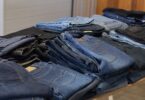
In recent years, secondhand fashion has experienced a meteoric rise, transforming from a niche market into a mainstream trend. With the growing awareness of environmental issues and the detrimental impacts of fast fashion, consumers are now rushing to thrift stores, online resale platforms, and charity shops in search of unique pieces that not only reflect their personal style but also align with their values.
The Environmental Impact of Fast Fashion
The fashion industry is one of the most polluting in the world, contributing to massive waste and greenhouse gas emissions. The production of garments often involves toxic dyes, heavy water usage, and the exploitation of cheap labor in developing countries. According to the World Bank, the fashion industry is responsible for over 10% of global carbon emissions, and over 92 million tons of waste is created each year. The haste to produce cheap clothing results in a cycle of overconsumption and waste, prompting many individuals to reconsider their shopping habits.
The Appeal of Secondhand Fashion
Secondhand fashion offers a sustainable alternative to fast fashion, allowing consumers to reduce their environmental footprint while still embracing style. Here are some reasons why it’s becoming increasingly popular:
- Unique Finds: Thrift stores and online platforms like Poshmark and Depop often carry one-of-a-kind items that aren’t available in traditional retail settings. This uniqueness allows consumers to express their individuality and stand out from the crowd.
- Affordability: Buying secondhand is typically less expensive than purchasing new clothing. This accessibility attracts budget-conscious shoppers looking for quality pieces at a fraction of the original price.
- Quality Over Quantity: Many vintage and secondhand pieces are made with higher-quality materials and craftsmanship compared to fast fashion garments. These items often last longer, providing better value over time.
- Supporting Local Communities: Many secondhand stores are nonprofit organizations that contribute to local communities. When consumers shop secondhand, they often support charitable causes and community development.
Challenges in the Secondhand Market
Despite its benefits, the secondhand market faces challenges that could impede its growth:
- Stigmatization: For some, wearing secondhand items carries a stigma. Many people perceive thrifted clothing as “used” and associate it with lower social status, though this perception is gradually changing.
- Quality Control: Buyers often worry about the quality and cleanliness of secondhand goods. Online platforms have tried to address this by implementing better return policies and rating systems for sellers.
- Competition with Fast Fashion: Fast fashion brands often produce trendy items at breakneck speed and low prices. Many consumers find it easier to purchase new clothing than to sift through secondhand options.
Influencers and Secondhand Fashion
Social media has played a pivotal role in the rise of secondhand fashion. Influencers and fashion bloggers are increasingly showcasing their thrifted finds, advocating for sustainable fashion choices, and inspiring their followers to explore secondhand options. Platforms like Instagram, TikTok, and YouTube are filled with thrift hauls, styling tips, and tutorials on where to find the best secondhand pieces. This visibility helps dismantle the stigma surrounding secondhand fashion and encourages younger generations to embrace sustainable practices.
Online Resale Platforms
The proliferation of technology has made it easier than ever to buy and sell secondhand clothing. E-commerce platforms such as ThredUp, Grailed, and eBay are revolutionizing the way people shop for clothes. These platforms not only provide a marketplace for secondhand goods but also often implement user-friendly interfaces, secure payment methods, and shipping options that enhance the customer experience.
Conclusion
The rise of secondhand fashion is a reflection of a broader cultural shift towards sustainability and conscious consumerism. As more individuals call for ethical practices in the fashion industry, the embrace of secondhand clothing will likely continue to grow. Shoppers are not just searching for unique and affordable items; they’re also making a statement about the kind of world they want to live in—one where fashion doesn’t cost the earth. By choosing secondhand, consumers are contributing to a more sustainable fashion industry and challenging the norms associated with contemporary retail practices.
FAQs
1. Is buying secondhand fashion really sustainable?
Yes, purchasing secondhand clothing significantly reduces waste and the demand for new production, which in turn lowers environmental impact.
2. How do I start shopping for secondhand fashion?
You can start by visiting local thrift stores, consignment shops, or exploring online resale platforms that specialize in secondhand items.
3. Are secondhand clothes dirty or damaged?
While some secondhand items may show wear, many are in excellent condition. Many thrift stores clean items before selling them, and online platforms often provide detailed descriptions and photos.
4. Can I find trendy items in secondhand stores?
Absolutely! Many secondhand stores offer a diverse selection of styles, including vintage and contemporary pieces that are currently in vogue.
5. What are the best online platforms for secondhand shopping?
Some popular online platforms include Poshmark, Depop, ThredUp, and eBay. Each offers unique features to help you discover secondhand fashion.