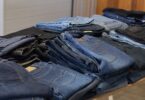


In recent years, the fashion industry has faced increasing scrutiny over its environmental impact. From water pollution to textile waste and unethical labor practices, the traditional fast-fashion model has been called into question. In response, a new wave of sustainable fashion has emerged, emphasizing eco-conscious wardrobes that reflect a commitment to the planet. This article explores the key trends in sustainable fashion, their implications for consumers, and the overall shift towards a more ethical industry.
Understanding Sustainable Fashion
Sustainable fashion refers to clothing, shoes, and accessories that are produced, marketed, and used in a way that is environmentally friendly and socially responsible. It encompasses a wide range of practices, including ethical sourcing, minimizing waste, and using sustainable materials. As consumers become more aware of the environmental issues linked to fashion, the demand for sustainable options has surged.
Key Trends in Eco-Conscious Fashion
1. Upcycling and Recycling
One of the most notable trends is upcycling, where old garments are transformed into new pieces. This practice not only reduces waste but also promotes creativity. Many designers now create collections that celebrate recycled materials, merging style with sustainability. Brands like Re/Done and Patagonia exemplify this trend, using salvaged materials to craft fresh fashion statements.
2. Ethical Sourcing and Fair Trade Practices
Ethical sourcing involves ensuring that the materials used in production are obtained in a responsible manner. This includes paying fair wages and ensuring safe working conditions for factory workers. Brands committed to fair trade, such as People Tree, are gaining popularity as consumers increasingly prioritize ethics alongside aesthetics.
3. Organic and Natural Materials
Committing to organic and natural materials—such as organic cotton, hemp, and Tencel—reduces the carbon footprint associated with clothing manufacturing. These materials often require less water and pesticides, making them better for the environment. Leading brands like Thought Clothing have adopted these practices, showcasing how eco-friendly fashion can be both stylish and sustainable.
4. Minimalism and Capsule Wardrobes
The minimalist movement has heavily influenced sustainable fashion, advocating for a capsule wardrobe— a curated collection of versatile fashion pieces. Instead of buying numerous items, consumers are encouraged to invest in high-quality, timeless pieces. This not only reduces consumerism but also promotes a more thoughtful approach to purchasing and dressing.
5. Rental and Second-Hand Shopping
The rise of clothing rental services and second-hand shopping platforms like Rent the Runway and ThredUp illustrates a shift in consumer behavior. Renting allows individuals to enjoy high-end fashion without the environmental cost of purchasing new items. As the stigma around second-hand shopping diminishes, more shoppers are embracing thrift culture.
The Role of Technology
Advancements in technology also support the rise of sustainable fashion. Innovations such as 3D knitting reduce waste and energy consumption during production. Brands like Unmade utilize digital technology to customize garments on-demand, minimizing excess inventory. Additionally, blockchain technology is being explored to enhance transparency in the supply chain, ensuring ethical practices are upheld from production to purchase.
Consumer Responsibility and Awareness
As the push for sustainability in fashion grows, consumers play a vital role in this transformation. By educating themselves about the brands they support and advocating for eco-friendly practices, shoppers can significantly impact the industry’s direction. Social media is a powerful tool in this regard, enabling consumers to share their experiences and promote brands committed to sustainability.
Conclusion
The rise of eco-conscious wardrobes marks a significant shift in the fashion industry. As awareness of environmental issues increases, sustainable fashion trends offer a more ethical alternative to fast fashion. Embracing practices such as upcycling, ethical sourcing, and minimalism not only benefits the planet but also encourages a more thoughtful approach to personal style. By choosing to support eco-friendly brands and adopting sustainable practices, consumers can contribute to a more responsible and inclusive fashion future.
FAQs
1. What is sustainable fashion?
Sustainable fashion refers to clothing and accessories produced in an environmentally friendly and socially responsible manner, focusing on ethical sourcing, minimal waste, and sustainable materials.
2. How can I create a sustainable wardrobe?
You can create a sustainable wardrobe by investing in high-quality, timeless pieces, opting for second-hand or rented clothing, and supporting brands that prioritize ethical practices and eco-friendly materials.
3. Why is fast fashion harmful?
Fast fashion is harmful because it encourages overconsumption, contributes to textile waste, pollutes water sources, and often relies on unethical labor practices in manufacturing.
4. What are some sustainable fabric options?
Some sustainable fabric options include organic cotton, linen, Tencel, hemp, and bamboo, all of which have a lower environmental impact compared to conventional materials.
5. How can technology help in sustainable fashion?
Technology can help in sustainable fashion by reducing waste through innovative production methods, enhancing transparency in the supply chain, and enabling customization to minimize excess inventory.