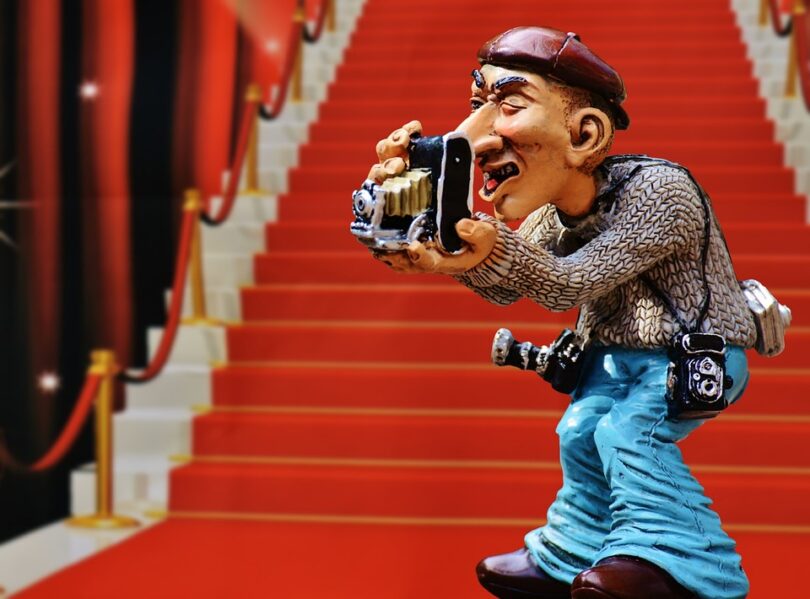


In the digital age, the landscape of fame has undergone a profound transformation. No longer reserved for traditional actors, musicians, and athletes, celebrity status now encompasses a diverse group of individuals who have leveraged social media to build their brands. Digital celebrities, often referred to as influencers, have emerged as powerful figures in the realm of entertainment, marketing, and culture. This article delves into the rise of these digital celebrities and examines how social media has redefined the concept of fame.
The Evolution of Fame
For centuries, fame was tightly interwoven with traditional media channels. Actors who starred in blockbuster movies, musicians who topped the charts, and athletes who broke records dominated public attention. However, the advent of the internet brought about drastic changes. With platforms like YouTube, Instagram, and TikTok, individuals began to create content independently, bypassing traditional gatekeepers.
The rise of user-generated content has democratized fame, allowing anyone with charisma, talent, or a unique perspective to gain visibility. This shift has given rise to a new form of celebrity, one that is often more relatable than the larger-than-life figures of Hollywood.
The Role of Social Media
Social media platforms have been instrumental in shaping the careers of digital celebrities. These platforms provide a space for creators to showcase their talents, engage with audiences, and build communities. Algorithms reward content that resonates, amplifying the reach of individuals who can create compelling narratives or aesthetically pleasing visuals.
For example, TikTok has become a breeding ground for viral trends, propelling users to fame overnight. Songs, dances, and challenges can catapult ordinary individuals into the limelight, demonstrating the unpredictable nature of viral fame. Similarly, Instagram allows influencers to curate their lives visually, attracting followers and brands eager to associate with popular figures.
Types of Digital Celebrities
The world of digital celebrities is diverse, encompassing various categories:
- Influencers: These individuals typically focus on a niche, such as fashion, beauty, fitness, or travel, and often collaborate with brands to promote products.
- Content Creators: This category includes YouTubers, streamers, and podcasters who produce original content across various formats, from vlogs to tutorials.
- Micro-Celebrities: Often possessing smaller but highly engaged followings, micro-celebrities build intimate relationships with their audience and enjoy a level of authenticity that resonates strongly.
The Impact on Marketing and Brands
As digital celebrities grow in prominence, brands have shifted their marketing strategies to leverage their influence. Collaborations with influencers often yield higher engagement rates than traditional advertising. Consumers are more likely to trust recommendations from individuals they follow online, seeing them as more relatable than traditional celebs.
Influencer marketing has become a multibillion-dollar industry, with platforms offering tools for brands to connect with relevant creators. Sponsored posts, product reviews, and brand partnerships are now commonplace, illustrating the mutual benefit for both parties involved.
Challenges Faced by Digital Celebrities
Though the rise of digital celebrities seems glamorous, it comes with its challenges. The pressure to constantly produce content can lead to burnout. Additionally, the fleeting nature of social media attention means that many influencers must always adapt to trends to stay relevant.
Moreover, digital celebrities face scrutiny regarding authenticity. As followers demand transparency, influencers often grapple with maintaining their brand image while staying true to their values. The balance between personal life and public persona can become increasingly difficult to navigate.
The Future of Digital Fame
As technology continues to advance, the future of digital celebrities appears promising yet unpredictable. With the rise of virtual influencers and AI-generated content, the lines between reality and digital fabrication may blur further. Platforms will continue to evolve, offering new ways for creators to engage with audiences and find pathways to fame.
Conclusion
The landscape of fame has undeniably shifted in the digital era. Social media has transformed the way we perceive and interact with celebrities, paving the way for digital influencers to rise and thrive. As a result, the traditional narrative of who can be famous has expanded, creating a rich tapestry of voices and stories. While challenges persist, the continued evolution of technology and social media promises to redefine fame in ways we have yet to imagine.
FAQs
What defines a digital celebrity?
A digital celebrity, often referred to as an influencer, is an individual who has gained significant attention and a following through social media platforms by creating engaging content, often within a particular niche.
How do digital celebrities earn money?
Digital celebrities often earn money through brand partnerships, sponsored content, affiliate marketing, merchandise sales, crowdfunding, and ad revenue from platforms like YouTube.
Can anyone become a digital celebrity?
Yes, anyone with unique content, engaging personality, and determination can potentially become a digital celebrity, especially with the accessibility of social media platforms.
What are the potential downsides to being a digital celebrity?
Challenges include the pressure to maintain consistent content creation, public scrutiny, vulnerability to negative comments, and the risk of burnout.