

Understanding protein requirements for optimal performance.
Introduction
Protein is an essential nutrient that plays a critical role in building and repairing tissues, making it particularly important for athletes. Yet, many athletes find themselves confused about how much protein they actually need. In this article, we will explore the different factors that influence protein requirements and offer guidance for athletes looking to maximize their performance through proper nutrition.
Why Protein Matters for Athletes
Protein is integral to various bodily functions, particularly for those engaged in regular physical activity. Here are some key reasons why protein is important for athletes:
- Muscle Repair: After a workout, muscle fibers undergo damage. Protein helps repair and rebuild these fibers, making them stronger.
- Muscle Growth: Protein consumption post-exercise supports muscle synthesis, which is crucial for athletes aiming to increase their strength or size.
- Energy Source: In certain situations, protein can be utilized as an energy source, particularly during endurance activities.
How Much Protein Do Athletes Need?
Determining protein needs is not one-size-fits-all; various factors come into play, including the athlete’s type of sport, level of training, and individual goals. Here are general guidelines based on activity levels:
Endurance Athletes
Endurance athletes, such as runners or cyclists, typically require less protein than strength athletes. General recommendations for these athletes are:
- 1.2 to 1.4 grams of protein per kilogram of body weight per day.
This range helps in repairing muscle tissues and supports recovery without leading to excess protein, which may not be utilized effectively.
Strength Athletes
For athletes engaging in strength training or bodybuilding, protein requirements are generally higher:
- 1.6 to 2.2 grams of protein per kilogram of body weight per day.
This increased intake supports muscle building and recovery after intense training sessions.
Team Sports
Athletes participating in team sports, such as soccer or basketball, often fall between the two categories:
- 1.4 to 2.0 grams of protein per kilogram of body weight per day.
Sources of Protein
While understanding protein requirements is important, knowing how to meet these needs is equally essential. High-quality protein sources include:
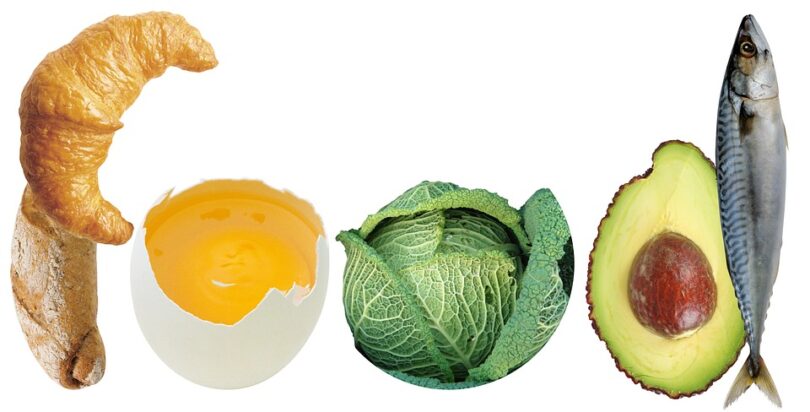
- Animal Sources: Chicken, fish, eggs, and dairy products.
- Plant Sources: Beans, lentils, quinoa, tofu, and nuts.
- Protein Supplements: Whey, casein, or plant-based protein powders can be convenient options, especially post-workout.
Timing of Protein Intake
Aside from quantity, the timing of protein consumption can influence recovery and performance:
- Pre-Workout: Consuming protein before a workout can provide amino acids during exercise.
- Post-Workout: Eating protein within 30 to 60 minutes post-workout aids in muscle recovery and synthesis.
Conclusion
The amount of protein an athlete needs varies based on numerous factors, including the type of sport, training intensity, and individual goals. While general guidelines suggest a range of 1.2 to 2.2 grams of protein per kilogram of body weight, it’s important for athletes to tailor their protein intake to their specific needs. By focusing on high-quality protein sources and timing their intake appropriately, athletes can enhance recovery, performance, and overall health.
FAQs
1. Can I get enough protein from my diet without supplements?
Yes, most athletes can meet their protein needs through a well-balanced diet rich in whole foods. Supplements can be helpful but are not always necessary.
2. What are some vegetarian sources of protein?
Vegetarian sources of protein include beans, lentils, chickpeas, quinoa, tofu, nuts, and seeds.
3. Is too much protein harmful?
Excessive protein intake may lead to dehydration, kidney strain, and other health issues. It’s essential to consume protein within appropriate limits.
4. How can I calculate my protein needs?
To calculate your protein needs, multiply your body weight in kilograms by the recommended protein range based on your activity level.
5. Is protein timing really important?
While total protein intake is crucial, timing protein consumption around workouts can further enhance recovery and performance.