

Few names in the realm of fashion evoke as much reverence and admiration as Chanel. Founded in 1910 by the legendary Gabrielle Bonheur “Coco” Chanel, the brand has established itself as a hallmark of elegance and innovation. Chanel’s journey through fashion history is not just about clothing but a revolution in women’s attire that redefined femininity, elegance, and luxury.
The Birth of a Fashion Icon
Coco Chanel’s early life was marked by hardship. Orphaned at a young age, she was raised in a convent where she learned the art of sewing. Her beginnings were humble, but her ambition was insatiable. In 1910, she opened her first shop, “Chanel Modes,” in Paris, selling hats that captured the attention of Paris’s elite. With a keen eye for design, Chanel quickly transitioned from hats to clothing, focusing on liberating women from the constraints of the corseted silhouette of the time.
Chanel’s Revolutionary Designs
Chanel’s designs were revolutionary. She introduced a more casual elegance that contrasted sharply with the more formal, constricting fashion of the early 20th century. Some of her most notable contributions include:
- The Chanel Suit: Introduced in 1925, the Chanel suit featured a collarless jacket and a knee-length skirt, allowing women both freedom and style.
- The Little Black Dress (LBD): Popularized in the 1920s, the LBD became a staple in every woman’s wardrobe, symbolizing versatility and timelessness.
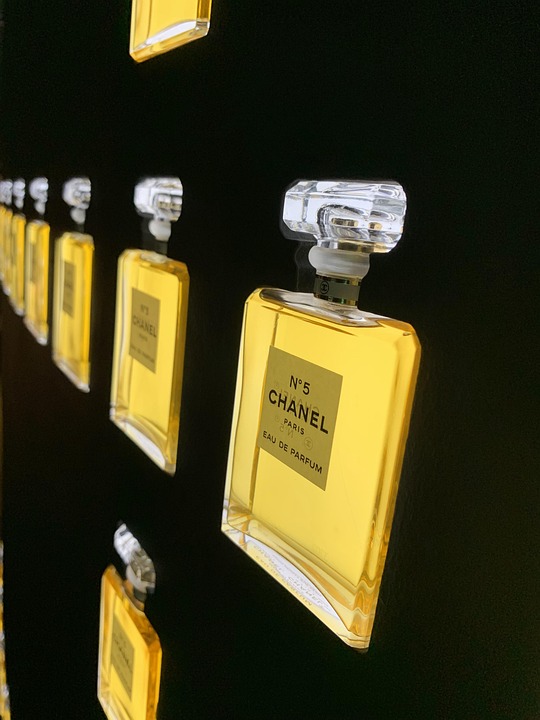
- Chanel No. 5: Launched in 1921, this fragrance revolutionized the perfume industry and remains one of the most iconic scents in history.
- Costume Jewelry: Chanel elevated costume jewelry, mixing pearls with precious materials so that women could indulge without breaking the bank.
The Influence of Chanel on Fashion
The impact of Chanel on the fashion industry is immeasurable. She challenged societal norms, promoting the idea that women could dress for themselves, not just for men. This was encapsulated in her famous quote, “Fashion fades, only style remains the same.” Chanel encouraged women to embrace their individuality and express themselves through fashion.
Her designs not only provided comfort but also highlighted the importance of simplicity and elegance. By the 1920s, Chanel’s creations had transcended the fashion world, influencing art, literature, and even politics.
The Legacy Continues
Chanel’s death in 1971 marked the end of an era but did not signify the end of her influence. Under the creative direction of Karl Lagerfeld, who took the helm in 1983, the brand experienced a resurgence, reinterpreting Chanel’s vision for a new generation. Lagerfeld infused the brand with modernity while respecting its roots, ensuring Chanel remained a relevant powerhouse in fashion.
Today, Chanel is synonymous with luxury, from haute couture to ready-to-wear, footwear, handbags, and cosmetics. The iconic quilted handbags, the interlocking “CC” logo, and the classic tweed jacket are all testaments to Chanel’s enduring legacy. The brand continues to set trends and redefine luxury for contemporary consumers, solidifying its place as a pillar in fashion history.
Chanel in Popular Culture
Chanel’s influence extends beyond the realm of fashion into popular culture. The brand’s products have appeared in films, music, and literature, making it a subject of fascination for artists and creators alike. Celebrities such as Audrey Hepburn, Marilyn Monroe, and more recently, actresses like Kristen Stewart have become the face of Chanel, further embedding its presence in the modern ethos.
Conclusion
The legacy of Chanel is one of innovation, empowerment, and timeless elegance. Coco Chanel’s vision transformed a male-dominated industry and reshaped the way women perceive fashion. Her daring approach to design and her commitment to the liberation of women’s fashion have left an indelible mark on the fashion landscape. Today, as we continue to celebrate and explore fashion, the name “Chanel” resonates with a history of breaking boundaries and setting new standards—a legacy that continues to inspire future generations of designers and fashion enthusiasts alike.
FAQs
1. What is the significance of the Chanel No. 5 fragrance?
Launched in 1921, Chanel No. 5 is revolutionary because it was one of the first perfumes to feature synthetic ingredients, leading to a modern scent that reshaped the fragrance industry. It has become synonymous with luxury and elegance.
2. How did Chanel revolutionize women’s fashion?
Chanel revolutionized women’s fashion by introducing styles that emphasized comfort and elegance, freeing women from restrictive clothing such as corsets. She popularized casual yet sophisticated attire, including the iconic Chanel suit and the Little Black Dress.
3. Who is the current creative director of Chanel?
As of 2023, Virginie Viard is the current creative director of Chanel, succeeding Karl Lagerfeld after his passing in 2019. She continues to honor Chanel’s legacy while injecting contemporary relevance into the brand.
4. What is the significance of the quilted handbag?
The quilted handbag, particularly the Classic Flap bag, is symbolic of Chanel’s commitment to luxury and practicality. It combines timeless design with functionality, making it a fashion staple across generations.
5. How can I learn more about Chanel’s impact on fashion history?
There are numerous books, documentaries, and online resources available detailing Chanel’s life and legacy. Visiting fashion museums that feature Chanel exhibits can also provide deeper insights into her influence on the industry.