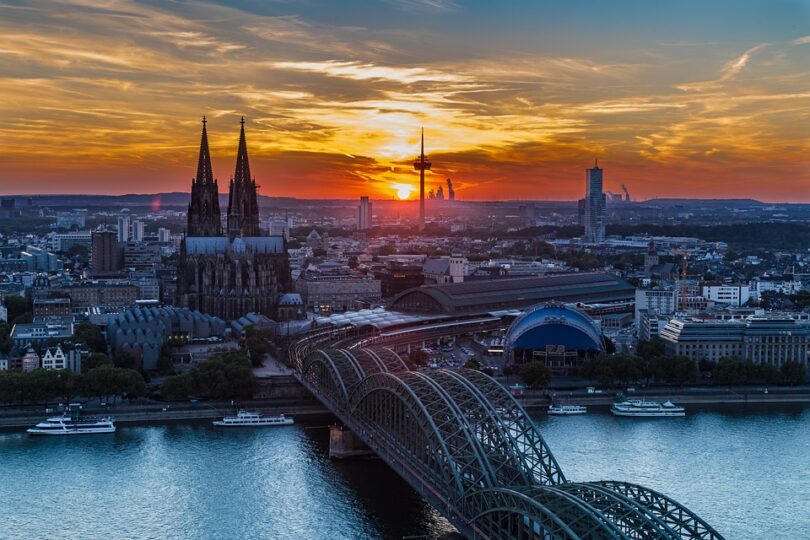


The Cologne Cathedral (Kölner Dom) stands not only as a masterpiece of Gothic architecture but also as a significant symbol of German heritage and resilience. This magnificent structure has captivated visitors from around the world for centuries, reflecting the rich history and cultural significance of Cologne and, indeed, Germany itself.
Historical Background
The foundation stone of Cologne Cathedral was laid in 1248, marking the beginning of its long and arduous construction process. The goal was to house the relics of the Three Kings, believed to be the remains of the Biblical Magi, which were brought to Cologne in the 4th century. This claim elevated the city’s importance as a pilgrimage site and inspired the cathedral’s grand design.
The architectural style of the cathedral embodies the Gothic tradition, characterized by pointed arches, ribbed vaults, and flying buttresses. The ambitious plan for the cathedral, which included twin spires reaching 157 meters, was realized by countless craftsmen and laborers over several generations. However, construction was halted in the 16th century due to funding issues and political turbulence during the Reformation.
It wasn’t until the 19th century that efforts were renewed to complete the building. King Friedrich Wilhelm IV of Prussia took a keen interest in this project, and in 1880, Cologne Cathedral was finally consecrated. Today, it is a UNESCO World Heritage site and remains the tallest cathedral in Germany.
Architectural Features
The Cologne Cathedral is not just a testament to the craftsmanship of its creators; it is also a canvas of history. Its intricate façade is adorned with over 100 statues of saints, notable figures, and Gothic ornamentation. The interior boasts stunning stained glass windows that depict biblical stories and saints, some of which date back to the 13th century.
One of the key architectural features is the remarkable choir, a space rich in medieval iconography. This area houses the Shrine of the Three Kings, a gilded sarcophagus believed to contain the remains of the Magi. The symbol of the three crowns represents their identity as kings and has become a significant emblem of the city.
Symbolism and Cultural Significance
The Cologne Cathedral, beyond its architectural brilliance, holds various symbolic meanings. It stands as a symbol of the Catholic Church and the importance of faith in medieval Europe. Its sheer size and grandeur reflect the aspirations of a church that sought to establish a presence in a rapidly changing world.
Moreover, the cathedral is a representation of resilience. Throughout its history, it has withstood wars, bombings, and natural disasters. During World War II, Cologne was heavily bombed, and while much of the city was devastated, the cathedral survived remarkably intact. Its survival became a symbol of hope and endurance for the people of Cologne.
Culturally, the cathedral is a central point for festivals, celebrations, and contemporary art exhibitions, demonstrating its continued relevance in modern society. Events held in or around the cathedral connect the people of Cologne with their rich history while fostering a sense of community.
Visitors and Tourism
Cologne Cathedral draws millions of visitors each year, making it one of the most popular tourist attractions in Germany. Visitors can explore its vast interior, climb up to the observation platform in the south tower for panoramic views of the city, and engage with various guided tours that delve deeper into its history and architectural significance.
Beyond mere tourism, its status as a spiritual site attracts pilgrims and those seeking solace and inspiration. The cathedral plays an active role in the local community and is often the focal point for city gatherings, reinforcing its place as a living landmark.
Conclusion
In summary, the Cologne Cathedral is not merely a structure of stone and glass; it is a layered symbol of faith, resilience, and the rich history of Germany. This iconic monument continues to inspire awe and serve as a poignant reminder of the enduring spirit of the city and its people. As both a pilgrimage site and a cultural treasure, the cathedral stands tall, testament to both the past and the present.
Frequently Asked Questions (FAQs)
1. How long did it take to build Cologne Cathedral?
Construction began in 1248 and was completed in 1880, making it a project that spanned over 600 years.
2. Is there an entrance fee to visit the cathedral?
Entry to the cathedral is free, although there may be a small fee required to access certain areas, like the tower.
3. Can visitors climb the towers of Cologne Cathedral?
Yes, visitors can climb the 533 steps to the top of the south tower, where they can enjoy breathtaking views of Cologne.
4. What is the best time to visit Cologne Cathedral?
The cathedral attracts a large number of visitors year-round, but visiting early in the morning or during weekdays may offer a quieter experience.
5. Are there any guided tours available?
Yes, guided tours of Cologne Cathedral are available, providing in-depth information about its history, architecture, and many hidden details.