


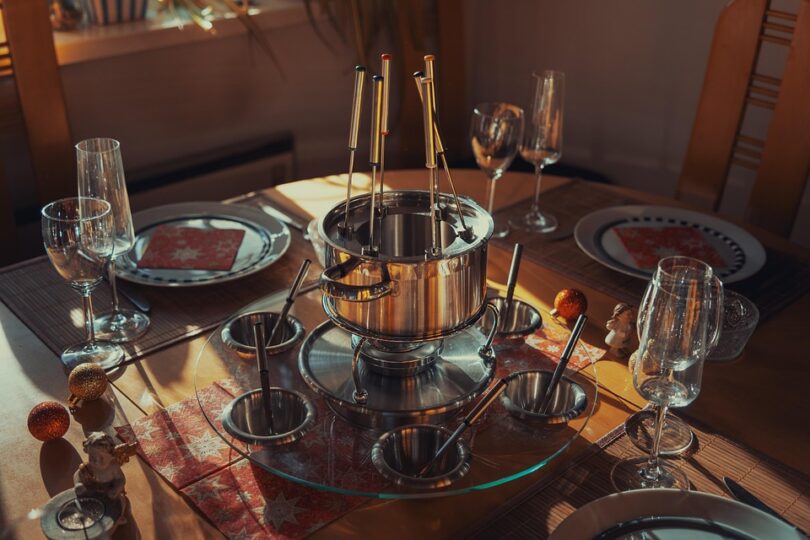


In an age where fast food and busy schedules dominate our lives, the tradition of family dinners often gets lost in the chaos. However, the importance of gathering around the dinner table is profound and lasting. Family dinners provide more than just food; they offer an environment where connections are deepened, and memories are created. Here, we will explore why family dinners matter and how they contribute to a well-rounded family life.
The Importance of Family Dinners
1. Building Connections
Family dinners are a fantastic way to strengthen the bonds between family members. Sharing a meal encourages conversation, allowing individuals to engage with one another and share their daily experiences. This connection fosters trust and creates a supportive environment where everyone feels heard.
2. Improved Communication
Regular family meals promote better communication skills in children and adults alike. When the family gathers around the table, it creates a safe space to express feelings, share thoughts, and resolve conflicts. Children who regularly participate in family dinners are more likely to develop essential verbal communication skills and are often more confident in social situations.
3. Establishing Family Traditions
Family dinners can become a cherished tradition that families look forward to. Whether it’s a weekly taco night, Sunday roast, or holiday feasts, these traditions give family members something to celebrate and look back on fondly. These moments become touchstones in life, creating a history that families can enjoy telling for generations.
4. Enhancing Nutritional Health
Studies show that families who eat together tend to make healthier food choices. Home-cooked meals are often more nutritious than fast food or takeout options. Furthermore, children are more likely to try new foods and develop an appreciation for healthy eating when involved in cooking and dining with family.
5. Promoting Academic Success
There is a significant correlation between regular family meals and academic performance. Eating meals together can results in improved grades and higher test scores for children. The discussions that occur during family dinners can stimulate critical thinking and promote better problem-solving skills.
Making Family Dinners Work
While the benefits of family dinners are clear, it can be challenging to make this tradition a routine in our busy lives. Here are some tips to help make family dinners a priority:
- Schedule Regular Times: Set specific days or times each week dedicated to family dinners.
- Keep It Simple: Family meals don’t have to be elaborate. Simple, quick recipes can be just as satisfying.
- Involve Everyone: Get every family member involved in meal preparation, from planning the menu to setting the table.
- Create a Device-Free Zone: Encourage conversation by having everyone put away their devices during the meal.
- Be Flexible: Life happens. If you can’t all sit down together on a certain day, make it a point to reschedule.
Conclusion
In conclusion, family dinners are more than just a means to fill our stomachs; they’re an integral part of nurturing strong family bonds, encouraging open communication, and fostering healthy lifestyles. By prioritizing meals together, families can develop deep connections and create lasting memories that will be cherished for years to come. As we embrace this tradition, we not only nourish our bodies but also enrich our hearts and minds, making our homes truly the heart of our lives.
FAQs
1. How often should families have dinner together?
While the ideal frequency varies per family, research suggests that having dinner together at least three times a week can lead to the most positive outcomes for family bonds and communication.
2. What if our schedules are too busy to have family dinners regularly?
If it’s challenging to have nightly dinners, try setting a weekly family night. Consistency is key, so finding a regular time that works will help sustain the tradition.
3. Can family dinners benefit children with dietary restrictions?
Absolutely! Family dinners can be a great opportunity to discuss dietary needs and preferences. This ensures everyone feels included while promoting healthy eating habits.
4. What are some easy dinner ideas for busy families?
Some simple dinner ideas include stir-fries, pasta dishes, tacos, or even breakfast for dinner. These meals can often be made in under 30 minutes.
5. How can we encourage our kids to engage during dinner?
Encourage children to share their day and ask open-ended questions. Games like “Highs and Lows” can make sharing fun and keep everyone engaged.


