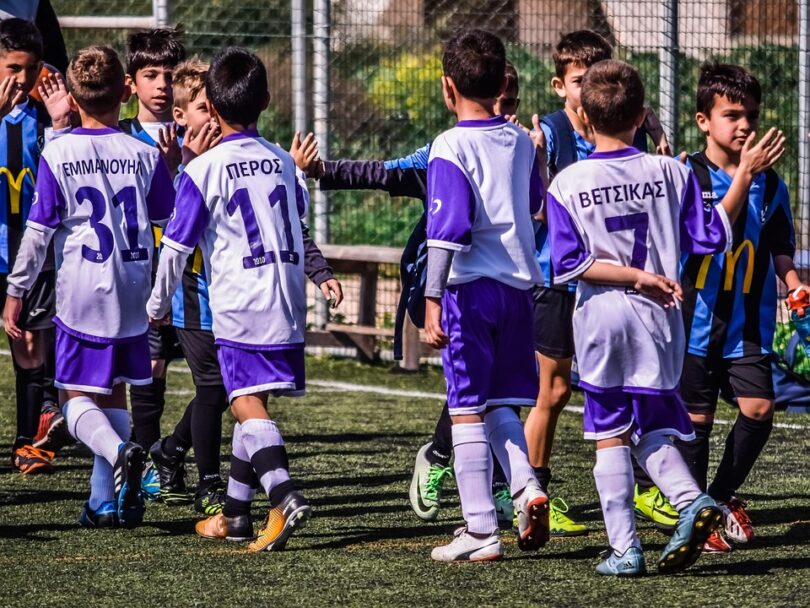


Sportsmanship is more than just a set of rules in a game; it is a way of life that reflects respect, integrity, and fairness. It embodies the spirit of the game, promoting healthy competition and community. In this article, we will explore what true sportsmanship means, its importance in sports and life, and how it can be fostered in various environments.
What is Sportsmanship?
At its core, sportsmanship involves ethical behavior in competitive settings. It refers to how an athlete behaves toward opponents, teammates, coaches, and officials. Key aspects of sportsmanship include:
- Respecting opponents and acknowledging their skills.
- Abiding by the rules of the game.
- Displaying humility in victory and grace in defeat.
- Encouraging and supporting teammates.
- Maintaining a positive attitude and good conduct regardless of the game’s outcome.
The Importance of Sportsmanship
True sportsmanship is essential for several reasons:
1. Fosters Healthy Competition
Healthy competition encourages athletes to perform their best without resorting to unethical behavior. By valuing sportsmanship, athletes can focus on improving their skills rather than undermining others.
2. Builds Character
Sportsmanship teaches valuable life lessons such as respect, empathy, and accountability. Athletes learn to handle wins and losses gracefully, skills that transcend the playing field into everyday life.
3. Enhances Team Cohesion
When sportsmanship is a shared value among teammates, it strengthens bonds and improves team dynamics. Athletes are more likely to support each other and work together towards common goals.
4. Positively Influences Spectators
Fans often emulate the behavior of their favorite athletes. Positive role modeling through sportsmanship can influence young fans to adopt similar values in their own lives.
Examples of True Sportsmanship
Numerous instances in sports history exemplify true sportsmanship:
- Jackie Robinson: Breaking the color barrier in baseball, Robinson faced immense hostility. However, he maintained his composure and dignity, becoming a symbol of sportsmanship and resilience.
- Tim Howard: The U.S. goalkeeper during the 2014 FIFA World Cup, Howard demonstrated grace after a tough loss, complimenting the opposing team and showing gratitude to his supporters.
- Serena Williams: Despite being highly competitive, Williams often promotes sportsmanship by praising opponents and acknowledging their skills, showcasing humility in her victories.
How to Cultivate Sportsmanship
Whether in youth sports, professional settings, or everyday life, sportsmanship can be cultivated through various methods:
1. Role Models
Coaches, parents, and leaders should model sportsmanship in their conduct. Young athletes learn from observing how adults handle victory and defeat.
2. Education and Training
Implementing training sessions focused on ethical behavior and teamwork can help instill values of sportsmanship. Organizations should emphasize the importance of respect and integrity.
3. Recognition
Recognizing and rewarding athletes for demonstrating sportsmanship can encourage others to follow suit. Awards or accolades can motivate individuals to embrace these values consistently.
4. Open Dialogue
Encouraging open discussions about sportsmanship can help athletes understand its significance. Dialogue helps to clarify expectations and promote a culture of respect.
Conclusion
True sportsmanship goes beyond the game itself; it addresses how we treat one another as individuals. By cultivating an environment that prizes respect, integrity, and empathy, we can enhance our communities and ensure that the spirit of the game thrives, both in sports and in life. Ultimately, sportsmanship is about creating a legacy that transcends mere competition, fostering a culture of kindness and understanding.
FAQs
1. What is the difference between sportsmanship and competition?
Sportsmanship emphasizes ethical behavior, respect, and fair play, whereas competition focuses on winning and achieving personal or team goals. True sportsmanship enhances the competitive spirit without compromising values.
2. How can parents teach sportsmanship to their children?
Parents can model sportsmanlike behavior, discuss the importance of respect in both winning and losing, encourage teamwork, and highlight examples of sportsmanship in various sports contexts.
3. Is sportsmanship only relevant in organized sports?
No, sportsmanship principles apply in various competitive environments, including academics, arts, and even in the workplace. Respect and integrity are universal values that resonate in many aspects of life.
4. Can sportsmanship improve performance?
Yes, athletes who practice sportsmanship often experience improved focus and confidence, leading to better performance. A team that supports each other fosters a positive environment which can enhance overall success.