

When we think of pizza, an array of flavors and styles come to mind. But what truly defines pizza is its birthplace—Naples, Italy. Here, in this bustling city by the Bay of Naples, the art of pizza-making is an ingrained tradition, with roots that stretch back centuries.
A Brief History of Neapolitan Pizza
Neapolitan pizza originated in the late 18th century. Its creation is often attributed to the working-class families who needed a quick yet satisfying meal. In 1889, the margherita pizza was created in honor of Queen Margherita of Savoy, featuring the colors of the Italian flag: red tomatoes, white mozzarella, and green basil.
The Significance of Ingredients
What distinguishes Neapolitan pizza from its many variations worldwide is its emphasis on quality ingredients. Authentic Neapolitan pizza uses a simple range of components:
- Flour: Caputo 00 flour is preferred for its fine grain and high protein content, yielding a light and airy crust.
- Tomatoes: San Marzano tomatoes, grown in the volcanic soil near Mount Vesuvius, are prized for their sweetness and low acidity.
- Cheese: Fresh mozzarella di bufala, made from the milk of water buffalo, adds a creamy, rich texture that enhances the overall flavor.
- Basil: Fresh basil leaves impart aromatic freshness, completing the classic flavor profile.
- Olive Oil: A drizzle of extra virgin olive oil adds depth and richness to each slice.
The Art of the Dough
The dough is the heart of any pizza, and in Naples, it is treated with reverence. The process begins with mixing flour, water, salt, and yeast. What follows is a slow fermentation process lasting anywhere from 24 to 48 hours. This slow rise is key to developing the dough’s flavor and texture.
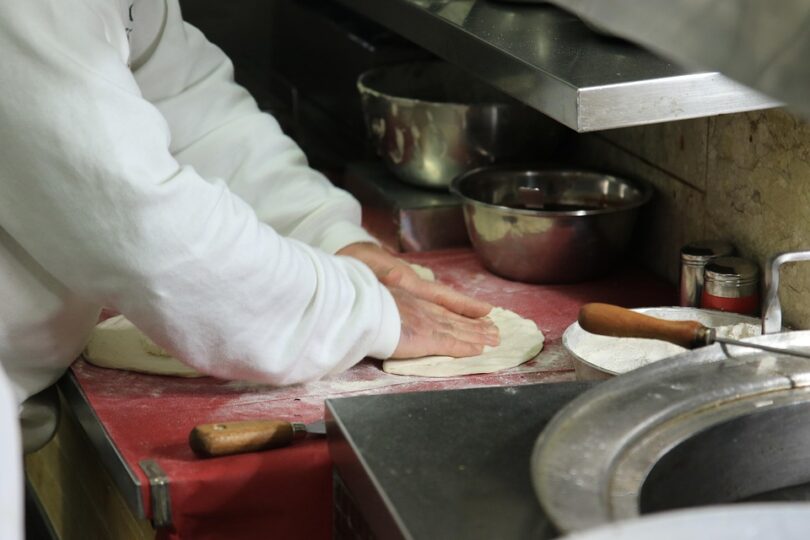
Once the dough has risen, pizzaiolos (pizza makers) gently shape it by hand, ensuring that it remains airy. It is then carefully topped with ingredients before being placed in a wood-fired oven, where temperatures can exceed 800°F (430°C). This intense heat ensures a blisteringly crisp crust while maintaining a chewy interior.
The Pizzerias of Naples
No journey to Naples would be complete without visiting its legendary pizzerias. Here are a few iconic spots that have helped solidify Naples as the pizza capital of the world:
1. Pizzeria Da Michele
Founded in 1870, Da Michele is famous for its no-frills menu, offering only two types of pizza: margherita and marinara. People from around the globe flock to this spot to experience a slice of history.
2. Sorbillo
Sorbillo is renowned for its generously topped pizzas and focus on high-quality ingredients. The decor is casual and welcoming, making it an ideal place to enjoy a meal with friends.
3. Pizzeria Brandi
Brandi is the birthplace of the margherita pizza, making it an essential stop for pizza lovers. Its rich history and tradition are palpable in every bite.
The Cultural Impact of Pizza
Beyond its culinary prowess, pizza holds a cultural significance in Naples. It represents community, tradition, and local pride. Families gather around pizza tables, celebrating life’s moments, big and small. Street vendors entice passersby with the scent of warm dough and baking tomatoes, inviting everyone to partake in the experience.
Modern Influences and Global Impact
As Naples continues to evolve, so does its pizza. Innovative chefs are experimenting with traditional recipes, introducing new toppings and techniques while still honoring the essence of Neapolitan style. Globally, the influence of Neapolitan pizza can be seen in many forms, from gourmet variations to fast-casual chains.
Conclusion
Naples is more than just a city; it’s a living testament to the art of pizza-making. With its rich history, quality ingredients, and unmatched culinary passion, Naples stands at the heart of this global phenomenon. Each slice tells a story of tradition, culture, and love—a true reflection of its people and their pride in their heritage. To savor pizza in Naples is to experience the culinary soul of Italy.
FAQs
1. What is the difference between Neapolitan pizza and other types of pizza?
Neapolitan pizza is characterized by its thin, soft crust, simple ingredients, and traditional cooking methods in a wood-fired oven. Other types of pizza, like New York or Chicago styles, often feature thicker crusts and a wide variety of toppings.
2. Where can I find the best Neapolitan pizza outside of Naples?
Look for pizzerias that use authentic ingredients and techniques, or those certified by the Associazione Verace Pizza Napoletana (AVPN), which promotes traditional Neapolitan pizza worldwide.
3. Is it true that you can only make authentic Neapolitan pizza in Naples?
While the style originated in Naples, you can make authentic Neapolitan pizza anywhere, as long as you adhere to the traditional recipes and methods.