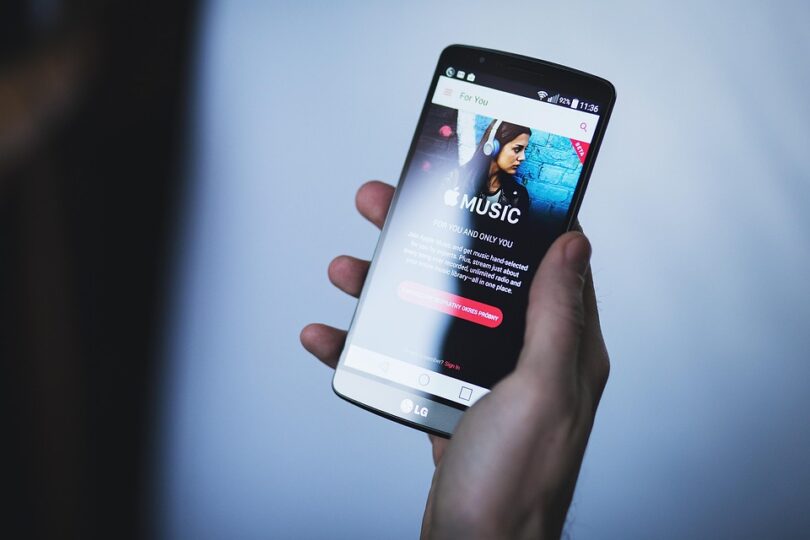


The music industry has undergone dramatic shifts in the past few decades, driven predominantly by technological advancements. Among these advances, the rise of streaming apps stands out as a transformative force reshaping how artists create, distribute, and monetize their music. This article delves into the future of music, analyzing how streaming platforms are revolutionizing the industry.
The Shift from Physical to Digital
In the late 20th century, physical sales drove the music industry. Vinyl records, cassette tapes, and CDs were the primary formats for music consumption. However, the introduction of digital media marked a significant change, leading to the decline of physical sales. As the internet began to permeate every facet of life, music consumption became easier and more convenient.
Streaming platforms such as Spotify, Apple Music, and Tidal have capitalized on this digital revolution, allowing users to access vast catalogs of music with just a few clicks. This transition has not only satisfied the demands of modern consumers for instant gratification but has also fostered new listening habits that are shaping the future of music.
Accessibility and Democratization of Music
One of the most notable impacts of streaming apps is the democratization of music. Independent artists who may have struggled to gain visibility in traditional music channels now have platforms to distribute their music globally. With services offering distribution solutions, artists can upload their content without needing a record label’s backing.
This accessibility enables diverse voices and sounds to take center stage, enriching the overall music landscape. Genres that may have been niche or undiscovered are now being celebrated and recognized thanks to the algorithm-driven playlists that streaming platforms curate.
Impact on Artistic Creation
As more artists find their audiences online, the way they create music is also evolving. The availability of immediate feedback through streaming apps allows musicians to gauge listener preferences instantly. This data-driven approach helps artists refine their sound and tailor their music to meet audience demands.
Moreover, collaboration has become easier across geographical boundaries. Musicians can collaborate remotely, using digital tools and platforms to create music together without the need for physical presence in studios. This change not only enhances creativity but also fosters a culture of partnership that’s increasingly vital in today’s interconnected world.
Monetization Challenges and Opportunities
While the rise of streaming apps has opened up new avenues for artist exposure, it has also raised questions regarding monetization. Traditional revenue models have been disrupted, leading to a complex landscape where artists earn less per stream compared to physical sales.
Despite lower per-stream payouts, streaming offers new monetization opportunities. Artists can leverage their online presence to engage directly with fans, promoting merchandise sales, concert tickets, and exclusive content. By building robust fan relationships, musicians can create sustainable income streams beyond traditional album sales.
Social Media Integration and Marketing
Streaming platforms are intricately linked with social media, allowing artists to market their music in innovative ways. Platforms like TikTok have shown how a single song can go viral, resulting in a massive influx of streams. Such trends highlight the symbiotic relationship between social media and music streaming, signaling a future where artists must navigate both spaces for effective promotion.
Social media also enhances fan engagement, enabling creators to communicate directly with their audience through posts, live streams, and Q&A sessions. This level of interaction fosters loyalty, driving fans to support artists’ endeavors financially and emotionally.
The Role of Technology and Artificial Intelligence
As the music industry continues to evolve, technology will play an increasingly pivotal role. Artificial intelligence (AI) is being utilized for a variety of purposes, from enhancing user experience through personalized playlists to helping artists compose music. AI algorithms analyze listener data to curate daily mixes that cater to individual tastes, further deepening customer engagement.
Additionally, the emergence of virtual concerts and augmented reality experiences represents a future where the boundaries of live music events are expanded. Such innovations create new experiences for fans while opening additional revenue streams for artists.
Conclusion
The future of music is undeniably intertwined with the proliferation of streaming apps. While these platforms are reshaping how music is consumed and monetized, they also offer unprecedented opportunities for artists to thrive in a digital-first environment. As technology and music continue to converge, we can expect further transformations that will continue to redefine the industry landscape. Ultimately, the evolution of music through streaming is a testament to the resilience and adaptability of artists and listeners alike.
FAQs
1. How do streaming services affect artist revenue?
Streaming services typically provide lower payouts per stream compared to physical sales. However, they also create opportunities for artists to earn money through merchandise sales, concert tickets, and fan engagement activities.
2. Are independent artists benefitting from streaming apps?
Yes! Streaming platforms offer independent artists a unique opportunity to distribute their music widely without traditional label support. This democratization allows for new sounds and artistry to emerge.
3. What role does social media play in promoting music?
Social media is crucial for music promotion as it allows artists to interact directly with fans, generate engagement, and create viral moments that can lead to increased streams and visibility.
4. How is technology influencing music creation?
Technology is streamlining music creation through collaboration tools that allow artists to work together remotely. Additionally, AI is being used for music composition, enhancing the creative process.
5. What does the future hold for live music events?
The future of live music may include virtual concerts and augmented reality experiences, expanding accessibility and engagement for fans worldwide.