


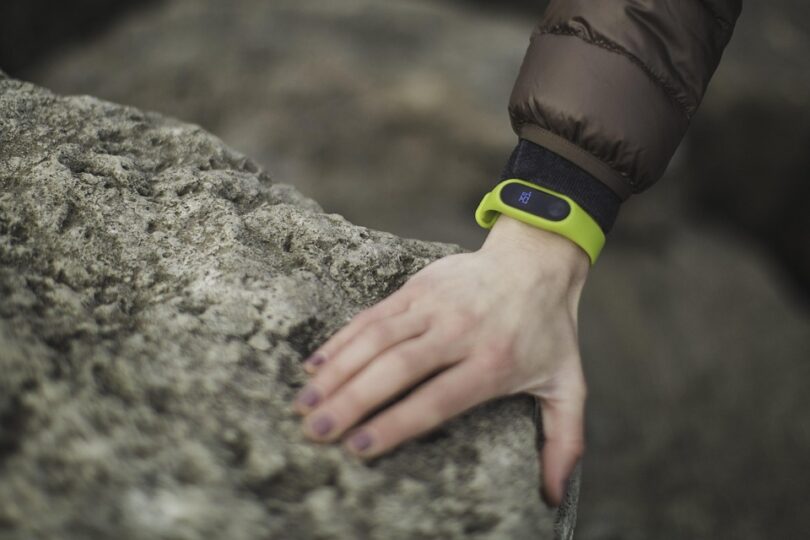


The fitness landscape is undergoing a seismic shift, driven by the integration of technology into our daily lives. Among the most significant advancements in this realm are wearable fitness trackers. These innovative devices are revolutionizing how individuals monitor their health, set fitness goals, and maintain a proactive approach to their well-being. In this article, we will explore the capabilities and implications of wearable trackers, as well as their potential to shape the future of fitness.
The Rise of Wearable Technology
Wearable fitness trackers have surged in popularity over the past decade. From simple pedometers to sophisticated smartwatches, these devices cater to a wide audience, empowering users to take control of their health. Some of the key benefits include:
- Real-Time Data: Users can monitor their physical activity, heart rate, calories burned, and sleep patterns in real-time.
- Goal Setting: Many trackers come with built-in features that help users set and achieve personalized fitness goals.
- Data Sharing: Users can share their metrics with healthcare providers or fitness communities for better accountability and support.
Features That Matter
Modern fitness trackers are equipped with an array of features designed to enhance the user experience:
- Heart Rate Monitoring: Continuous heart rate tracking provides insights into cardiovascular health and fitness level.
- Activity Tracking: Whether walking, running, or cycling, these devices track various activities to offer detailed performance analytics.
- Sleep Tracking: Quality sleep is vital for overall health. Many trackers now provide sleep quality analysis, helping users understand their sleep patterns.
- GPS Capabilities: Built-in GPS functions allow users to track routes and distances during outdoor activities.
- Smart Notifications: Integration with smartphones enables users to receive calls, messages, and app notifications directly on their wrist.
Impact on Health and Wellness
The integration of wearable technology into fitness routines has profound implications for health and wellness. Here are some key impacts:
- Increased Engagement: Gamification elements, such as challenges and rewards, encourage users to stay committed to their fitness goals.
- Preventative Health: Continuous monitoring can alert users to irregularities in health metrics, potentially leading to early detection of medical issues.
- Behavioral Changes: By tracking progress, users can identify patterns in their activity and make informed decisions to enhance their lifestyle.
The Future of Wearable Tech
As technology continues to evolve, so will the capabilities of wearable fitness trackers. Here are some anticipated trends:
- Advanced Health Metrics: Future trackers may include features like blood pressure monitoring, glucose level tracking, and even hydration levels.
- A.I. and Machine Learning: These technologies may lead to personalized recommendations based on individual health data, enhancing user experience.
- Integration with Telehealth: Wearable technology can facilitate remote patient monitoring, allowing healthcare providers to keep track of patients’ health in real-time.
- Improved Accessibility: As technology becomes more affordable, wearable trackers will become accessible to a broader demographic, promoting a culture of health and fitness.
Challenges Ahead
Despite their advantages, wearable fitness trackers face several challenges that need addressing:
- Privacy Concerns: The collection of sensitive health data raises concerns about user privacy and data security.
- User Compliance: The effectiveness of these trackers hinges on consistent user engagement, and many individuals may struggle with long-term adherence.
- Accuracy: While many devices offer impressive metrics, the accuracy of these readings can vary, leading to potential misinformation.
Conclusion
Wearable fitness trackers have undeniably transformed the way we approach our health and fitness. By empowering individuals with real-time data, personalized goals, and actionable insights, these devices have the potential to foster a healthier society. As technology continues to advance, the future of fitness looks promising, albeit with challenges to navigate. Embracing this technology can lead to significant improvements in health, fitness, and overall well-being.
FAQs
1. What are wearable fitness trackers?
Wearable fitness trackers are devices equipped with sensors to monitor health metrics such as physical activity, heart rate, and sleep patterns, providing users with real-time data to manage their fitness goals effectively.
2. Are wearable fitness trackers accurate?
While many wearable fitness trackers offer reasonably accurate readings, their precision can vary based on factors like device quality and user activity. It’s advisable to consider them as helpful tools rather than infallible sources of medical data.
3. How can I choose the right fitness tracker for me?
When choosing a fitness tracker, consider your fitness goals, desired features (like heart rate monitoring and GPS), compatibility with your smartphone, and budget to find the best fit for your needs.
4. Can wearable trackers help with weight loss?
Yes, by providing insights into physical activity and encouraging goal setting, wearable trackers can aid in maintaining a balanced diet and exercise routine, thus facilitating weight loss efforts.
5. Do I need to wear my tracker all the time?
While wearing your tracker consistently will yield the best data and insights, some users may choose to wear it only during specific workouts or activities, depending on their preferences.


