


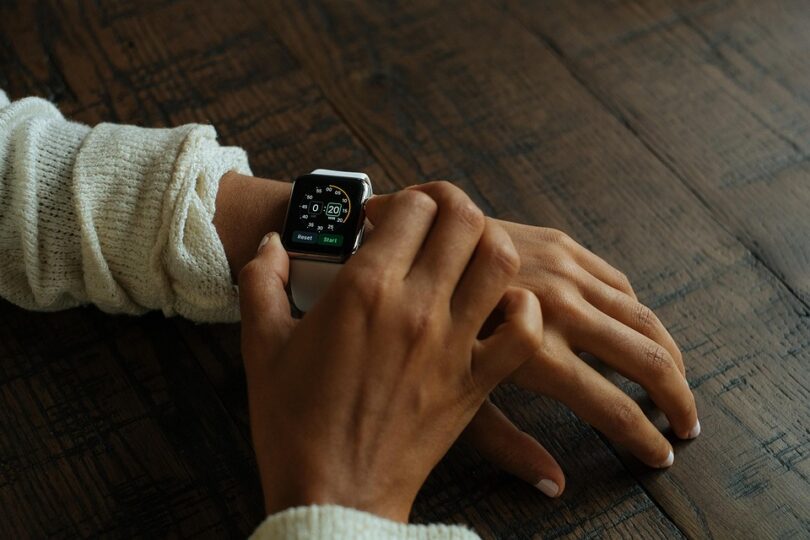


In recent years, wearable fitness devices have moved from niche products to mainstream essentials for health-conscious individuals. These devices not only track physical activity but also monitor vital health parameters, providing users with insights to improve their well-being. This article explores the transformative impact of wearable technology on health monitoring and fitness.
1. The Rise of Wearable Technology
The market for wearable devices has witnessed explosive growth. According to various industry reports, the global wearable technology market is projected to reach over $100 billion by 2025. This surge is largely driven by the increasing awareness of health issues and the demand for more personalized healthcare solutions. Devices like fitness trackers, smartwatches, and health monitors are among the leading categories, each contributing unique functionalities to improve user experiences.
2. Key Features of Wearable Devices
Wearable fitness devices come equipped with a variety of features that cater to different health and fitness needs:
- Activity Tracking: Most devices can track steps, distance covered, and calories burned, providing a basic overview of daily physical activity.
- Heart Rate Monitoring: Many wearables include heart rate sensors that help users stay within their target heart rate zones during workouts.
- Sleep Monitoring: Quality sleep is vital for overall health. Wearable devices can track sleep patterns, providing insights into sleep quality and duration.
- GPS Functionality: For outdoor enthusiasts, GPS-enabled wearables can track distance and route during activities such as running, biking, or hiking.
- Health Metrics: Advanced devices are capable of monitoring additional metrics such as blood oxygen levels, stress levels, and even electrocardiogram (ECG) readings.
3. Personal Health Monitoring
One of the significant advantages of wearable devices is their capability to gather real-time health data. This real-time monitoring can lead to improved health outcomes for several reasons:
- Proactive Health Management: By providing continuous feedback, users can make informed decisions about their activities and lifestyle, potentially preventing health issues before they become serious.
- Customized Fitness Plans: Wearable technology enables personalized fitness plans tailored to individual users, taking into consideration their progress, goals, and health metrics.
- Improved Accountability: The tracking features of wearables encourage users to adhere to their fitness goals, fostering a sense of accountability.
4. Integration with Health Care Systems
As wearable technology continues to evolve, its potential to integrate with healthcare systems is becoming evident. In the near future, we can expect:
- Data Sharing: Users can opt-in to share their health data with healthcare providers, allowing for more personalized treatment and real-time monitoring of chronic conditions.
- Remote Patient Monitoring: For patients with chronic illnesses, wearables can facilitate remote monitoring, allowing healthcare professionals to track patient health without regular visits.
- Enhanced Research: Aggregated data from wearables can provide invaluable insights for researchers studying health patterns and disease prevention.
5. The Role of Artificial Intelligence
Artificial intelligence (AI) is a game-changer in wearable technology. By leveraging machine learning algorithms, wearables can analyze collected data to make predictions about a user’s health and fitness. Some future capabilities include:
- Predictive Analytics: AI can identify potential health risks based on patterns in user data, enabling proactive interventions.
- Behavioral Insights: By analyzing activity levels, sleep patterns, and heart rate, AI can offer tailored recommendations to optimize health and fitness.
Conclusion
The future of fitness looks promising as wearable devices continue to evolve, offering more in-depth health monitoring and personalized insights than ever before. The ability to track important health metrics in real-time and the potential integration with healthcare systems stand to revolutionize wellness and preventative care. As technology advances, we can expect wearable devices to play an increasingly central role in our health management, pushing us toward a future where we can take control of our health and fitness more effectively.
FAQs
1. What types of wearable devices are available?
Wearable devices include fitness trackers, smartwatches, smart clothing, and specialized health monitors that track various health metrics.
2. How accurate are wearable devices in tracking health metrics?
While many wearable devices provide reasonably accurate data, accuracy can vary depending on the device and the specific metric being measured. It’s best to verify data with medical professionals when needed.
3. Can wearables help with weight loss?
Yes, many users find that tracking physical activity and calories burned can help motivate them to lose weight and maintain a healthy lifestyle.
4. Are there any privacy concerns with wearable technology?
Yes, users should be cautious about data privacy and ensure they understand how their health data will be used and shared.
5. Will wearables replace traditional health monitoring methods?
While wearables offer valuable insights, they are not likely to completely replace traditional medical monitoring but can complement these methods, improving overall health care.


