


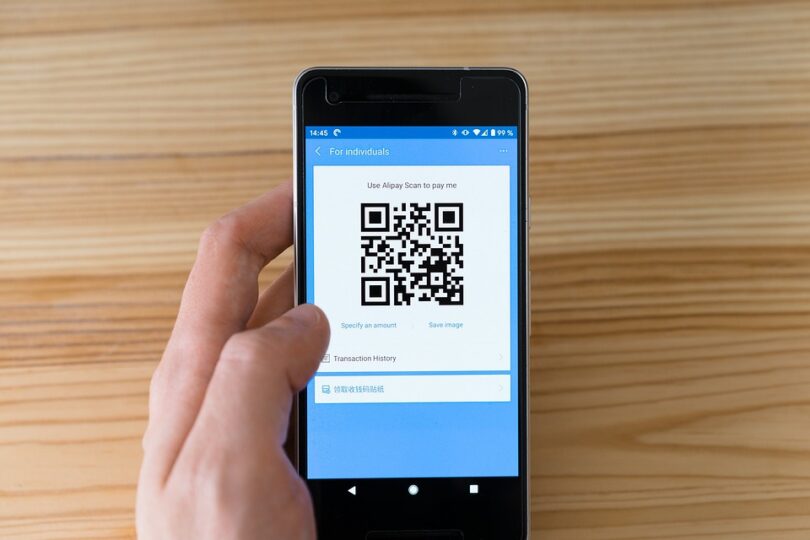


The financial landscape is undergoing a major transformation, driven largely by advances in technology. Online banking apps have quickly become central players in this reshaping of the industry, offering customers greater convenience, enhanced security, and a plethora of features that traditional banking methods simply cannot match. This article explores how these applications are transforming the world of finance and what the future holds for banking.
The Rise of Online Banking Apps
In the past decade, the surge in smartphone usage and internet connectivity has fueled the growth of online banking apps. Traditional banks have witnessed significant challenges as more customers transition towards digital alternatives. Consumers have increasingly favored the convenience of managing their finances from anywhere, at any time. This new demand has prompted banks to innovate and adapt to this changing landscape.
Benefits of Online Banking Apps
1. Convenience and Accessibility
Online banking apps provide users with the ability to conduct transactions and manage their accounts from their mobile devices or computers. Whether it’s checking balances, transferring funds, or paying bills, users can do it at their convenience, eliminating the need to visit physical branches. Accessibility is especially crucial for those in remote or underserved areas, where banking facilities may be limited.
2. Cost Efficiency
Many online banking apps operate with lower overhead costs than traditional banks, allowing them to offer reduced fees or even zero-fee services. These cost savings can be passed on to consumers, who benefit from higher interest rates on savings accounts and lower fees for services.
3. Enhanced Security
Security concerns are paramount in the financial sector, and online banking apps are continuously evolving their security features. With biometric authentication, encryption, and two-factor authentication, these apps are often more secure than traditional banking methods. Additionally, consumers can monitor transactions in real-time, providing instant alerts for any unauthorized activities.
4. Personalization and Advanced Features
Online banking apps utilize data analytics to offer personalized experiences to customers. Features like budgeting tools, spending insights, and customized alerts help users make informed financial decisions. Moreover, innovations like robo-advisors allow users to invest and manage portfolios with minimal effort, using automated technology to guide them through the investing process.
Challenges and Concerns
Despite the many advantages of online banking apps, some challenges persist. Security breaches, although less common, can lead to significant financial and personal data loss. Additionally, the digital divide may exclude certain demographics who are less comfortable with technology. Trust also plays a critical role; consumers must feel secure in using these platforms to manage their finances.
The Future Landscape of Banking
Looking ahead, we can expect several trends to dominate the banking industry as it increasingly gravitates toward online platforms:
1. Larger Adoption of AI and Machine Learning
Artificial Intelligence (AI) and machine learning will steer the future of online banking. Predictive analytics can forecast customer behavior, allowing banks to offer timely assistance and tailored products. Chatbots and virtual assistants will enhance customer service, providing 24/7 support for inquiries.
2. Integration of Blockchain Technology
Blockchain technology promises to revolutionize online banking by providing unparalleled security and transparency in transactions. Financial institutions may increasingly adopt blockchain for payment processing, reducing the time and cost associated with traditional transaction methods.
3. Fintech Collaboration
Traditional banks are no longer the sole providers of financial services. Fintech companies are rising, offering innovative financial solutions. We can expect more collaboration between banks and fintech firms, leading to vibrant ecosystems that enhance customer experience and service offerings.
4. Focus on Sustainability
As consumers become more eco-conscious, online banking apps will likely prioritize sustainable practices. This may include offering green investment options and ensuring that funds are channeled towards environmentally friendly projects.
Conclusion
The evolution of online banking apps signifies a remarkable shift in how we manage our finances. As technology continues to advance, consumers can expect a wealth of new features and greater control over their financial lives. While challenges remain, the overall trajectory points to a more accessible, personalized, and secure banking experience. The future of finance is undoubtedly digital, and it promises to be more inclusive and efficient.
Frequently Asked Questions (FAQs)
1. Are online banking apps safe to use?
Yes, most online banking apps employ advanced security measures such as encryption, biometric authentication, and two-factor authentication to safeguard user data and prevent unauthorized access.
2. Can I close my traditional bank account if I switch to an online banking app?
Yes, you can close your traditional bank account after ensuring that all transactions have been settled and your funds have been transferred to your new online banking account.
3. What features should I look for in an online banking app?
Look for features such as budgeting tools, transaction alerts, integrated investment options, zero or low fees, and user-friendly interfaces to enhance your banking experience.
4. How do online banking apps generate revenue?
Online banking apps typically generate revenue through account fees, transaction fees, interest on loans, and partnerships with other financial service providers.
5. Will traditional banks disappear with the rise of online banking?
While it’s unlikely traditional banks will completely disappear, they will need to innovate and adapt to remain competitive in an increasingly digital landscape.


