


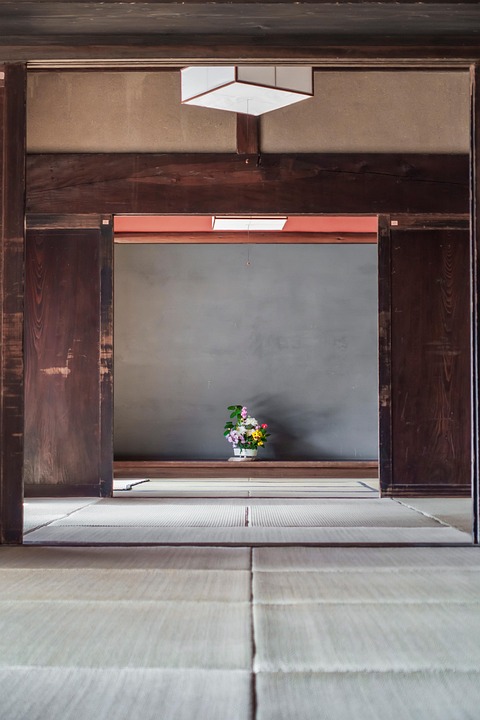


As the world increasingly embraces the concept of smart living, Japan stands out as a beacon of innovation in smart home technology. The nation’s rich blend of tradition and cutting-edge technology has paved the way for unique solutions designed to enhance daily living. From artificial intelligence (AI) to the Internet of Things (IoT), Japan is leading the charge into the future of home automation. In this article, we will delve into the latest trends, technologies, and innovations that make Japanese smart homes so exceptional.
The Rise of Smart Homes in Japan
The smart home market in Japan has been gaining momentum since the early 2010s, driven by technological advancements and a significant push from both startups and established corporations. The Japanese government’s vision of a “smart society” aims to integrate technology into everyday life, making homes more efficient, secure, and interconnected.
Japan is well-known for its unique cultural approach to advancements in technology. The concept of “Monozukuri,” or craftsmanship, encourages not only technological innovation but also thoughtful design that respects user experience. This cultural ethos significantly influences the smart home landscape, resulting in products that are not only functional but also aesthetically pleasing.
Key Features of Japanese Smart Homes
1. Integrated Home Automation
Japanese smart homes offer comprehensive control over various home systems. Centralized systems allow homeowners to manage lighting, heating, security, and even entertainment from a single interface. Modern applications and voice-controlled devices have made it easier than ever for users to interact with their home environments.
2. Energy Efficiency
With a focus on sustainability, energy efficiency is at the forefront of smart home technology in Japan. Smart appliances, such as refrigerators, washing machines, and air conditioners, are designed to minimize energy consumption. For instance, advanced thermostats can learn user behavior to optimize heating and cooling based on real-time data.
3. Advanced Security Systems
Safety is a top priority for Japanese homeowners, and advanced security systems are becoming the norm. These systems often include smart cameras, motion sensors, and alarm alerts that can be monitored remotely via smartphones. The use of AI in security technology allows for facial recognition and anomaly detection, enhancing overall home protection.
4. Smart Elderly Care Solutions
Japan faces a notable challenge with an aging population, and smart technology is poised to address this. Solutions like wearable devices and home monitoring systems help elderly residents maintain independence while ensuring their safety. Smart homes can alert caregivers in case of emergencies or irregularities in daily routines, providing peace of mind for families.
5. IoT Connectivity
The integration of IoT devices enables seamless communication among various home devices. From smart speakers that control lighting to coffee makers that start brewing with a simple voice command, interconnectedness enhances convenience and user experience. In Japan, IoT technology is also facilitating data sharing for better energy management and security.
Innovative Products Transforming Japanese Homes
1. Smart Bathrooms
Bathroom technology is making waves in Japan, with products like high-tech toilets that feature heated seats, bidet functions, and automatic lids. Smart mirrors that display news, weather, or health information while you get ready are also gaining popularity. These innovations combine comfort and functionality in daily routines.
2. Robotics and AI
Robots are no longer confined to factories; they are entering residential spaces as companions and assistants. Japanese companies are developing domestic robots that perform chores like cleaning and laundry. AI-powered personal assistants enhance communication and provide reminders for daily tasks.
3. Smart Kitchens
Smart kitchen gadgets, such as refrigerators that can track food inventory and suggest recipes based on available ingredients, are another breakthrough. These devices reduce food waste and assist with meal planning, making cooking more enjoyable and efficient.
4. Home Automation Hubs
Automation hubs, which serve as the command center for various smart devices, are becoming increasingly common. These hubs can be programmed to execute complex routines with a single command, simplifying daily tasks for the homeowner.
Challenges and Future Prospects
While the future of smart homes in Japan looks promising, challenges remain. High installation costs and concerns about privacy and data security can deter potential users. However, as technology evolves and becomes more affordable, widespread adoption seems likely.
Government initiatives aimed at promoting smart technology will also play a pivotal role in shaping the landscape. Future developments may include enhanced AI capabilities, more robust home automation features, and even greater integration with urban infrastructure.
Conclusion
The fusion of innovative technology and traditional values has positioned Japan at the forefront of the smart home revolution. With its commitment to energy efficiency, security, and comprehensive home automation, Japan continues to set standards for the global smart home market. As we move forward, it is clear that these advancements are not just about convenience; they are about creating a sustainable and secure living environment for future generations. The dream of intelligent living spaces is no longer a matter of science fiction; it is steadily becoming a reality in homes across Japan.
FAQs
1. What is a smart home?
A smart home incorporates devices connected to the internet, allowing for automated control of home systems such as lighting, heating, and security.
2. How does smart technology benefit the elderly?
Smart technology enhances safety and independence for seniors by providing monitoring systems, emergency alerts, and easy-to-use interfaces.
3. Are smart homes energy-efficient?
Yes, many smart devices are designed to improve energy efficiency by optimizing usage and reducing waste.
4. What challenges does Japan face in adopting smart home technology?
Challenges include high installation costs and concerns about privacy and data security.
5. What is the future of smart homes in Japan?
The future looks promising with ongoing technological advancements, government support, and a culture that embraces innovation.


