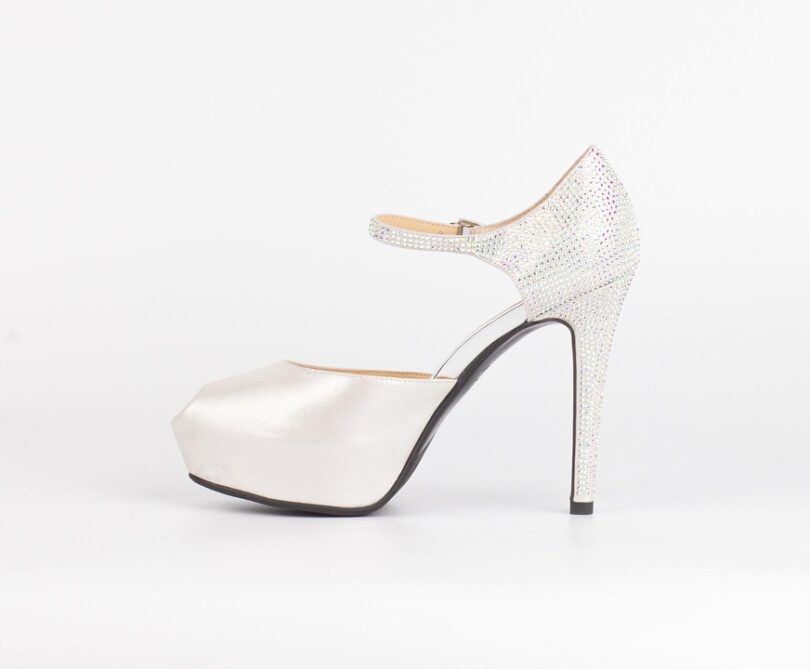


The history of women’s footwear is a fascinating journey that traces back thousands of years, reflecting changes in fashion, culture, and functionality. From the practical sandals of ancient civilizations to the chic high heels of modern times, women’s footwear has undergone significant transformations. This article explores the evolution of women’s shoes from ancient antiquity to today’s diverse styles.
Ancient Times: Practicality and Function
In ancient times, footwear was primarily about practicality. Women wore simple sandals made of materials like leather or woven grass. The earliest known examples date back to ancient Egypt around 3500 BC, where sandals were crafted from palm leaves and papyrus. These designs offered minimal protection while allowing for breathability in the hot climate.
In other cultures, such as the Chinese, women wore bound shoes as a status symbol. This practice started during the Song Dynasty (960-1279 AD) and involved tightly wrapping a girl’s feet to keep them small, which was considered attractive. These shoes, often embroidered and ornate, were less about comfort and more a reflection of social status.
The Middle Ages: Practicality Meets Elegance
During the medieval period, footwear began to evolve into more defined styles. Women wore shoes called “poulaines,” characterized by long, pointed toes. These shoes were made from soft leather and could reach lengths of up to two feet! Despite their impracticality, they were a fashion statement that showcased wealth.
By the 14th century, the design of shoes became more varied, with the addition of heels for both men and women. Women’s footwear featured decorative elements, such as embroidery and colorful fabrics, as fashionable attire became more elaborate. This era set the stage for the luxurious styles that would continue to develop.
The Renaissance and Baroque Periods: Extravagance and Ornamentation
In the Renaissance (14th to 17th centuries), women’s footwear displayed opulence and creativity. Shoes were often adorned with jewels, intricate stitching, and feathers. The introduction of the “chopine”—a platform shoe that could increase height significantly—became a trend among fashionable women of the court.
By the Baroque period, shoes became symbols of status. The materials used included fine silks and brocades. The heel height increased, and the shape of shoes began to resemble modern styles more closely, with a focus on elegance and creative designs. This era instilled the importance of shoes as part of the overall fashion ensemble.
The 19th Century: Industrial Revolution and Accessibility
The 19th century marked a turning point in women’s footwear with the onset of the Industrial Revolution. Shoemaking became mechanized, allowing for mass production. This made fashionable shoes more accessible to women from various social classes.
During this period, the Victorian era popularized boots and shoes with flatter heels. The use of laces became prevalent, and women’s shoes were often made from leather or fabric with floral patterns. The “Belle Époque” period towards the end of the 19th century saw a return to higher heels, marking the beginning of the fashionable footwear we recognize today.
The 20th Century: Fashion Freedom and Innovation
The 20th century was a fascinating time for women’s shoes. The introduction of different styles mirrored the evolution of women’s rights and the fashion industry. After World War I, women began to wear shorter hemlines, which in turn influenced the style of shoes. The iconic “flapper” style of the 1920s showcased lower heels and a more comfortable fit.
The mid-century brought design icons like Christian Dior, who popularized the stiletto heel in the 1950s, symbolizing femininity and empowerment. The decade also saw the introduction of athletic shoes and the blending of casual and formal wear.
As the century progressed, designs became more diverse, with the rise of brands like Nike and Adidas, which brought athletic footwear into mainstream fashion. The punk rock movement of the 1970s also introduced edgy styles like combat boots and platform shoes.
The Modern Era: Sustainability and Diversity in Footwear
Today, women’s footwear styles are incredibly diverse, catering to various tastes and lifestyles. From high heels and sandals to sneakers and eco-friendly options, the market is saturated with choices. Sustainability has become a significant trend, with many brands focusing on environmentally friendly materials and methods of production.
Fashion influencers and Instagram have played a substantial role in shaping modern footwear trends, allowing women to express their individuality through unique styles. Customization, comfort, and performance are now paramount, with many women seeking shoes that blend aesthetics with practicality.
Conclusion
The evolution of women’s footwear reflects broader societal changes, from practicality in ancient times to elegance in the Renaissance and finally to the diverse and expressive options available today. As women continue to demand footwear that marries fashion with comfort and sustainability, the future of women’s footwear looks bright and exciting.
FAQs
1. What were the first shoes worn by women?
The first known shoes were simple sandals made from materials like leather and woven grass, dating back to ancient Egypt around 3500 BC.
2. How have women’s shoe styles evolved over the centuries?
Women’s shoe styles have evolved from practical sandals to extravagant designs with high heels, reflecting changes in fashion, culture, and society.
3. What is the significance of high heels in women’s fashion?
High heels became a symbol of femininity and empowerment, particularly during the mid-20th century, paralleling women’s movements for rights and representation.
4. What are some modern trends in women’s footwear?
Modern trends include a focus on sustainability, diverse styles that cater to individual preferences, and the blending of casual and formal wear.
5. Are there any notable brands in women’s footwear today?
Yes, brands like Nike, Adidas, Jimmy Choo, and Stella McCartney are known for their innovative designs and commitment to sustainability in women’s footwear.