


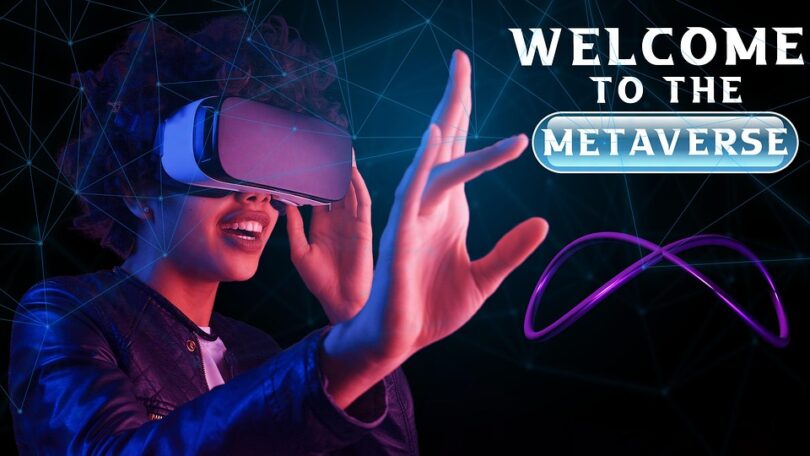


Virtual Reality (VR) gaming has transformed from a mere concept to a fully immersive experience that captivates millions around the world. This article explores the milestones in this evolution, technological advancements, and what the future holds for VR gaming.
The Early Beginnings
The journey of virtual reality began in the early 1960s when Morton Heilig created the Sensorama, an arcade-style theatre that offered a multi-sensory experience with 3D visuals, sound, and even scent. However, it wasn’t until the 1980s that the term “virtual reality” came into play. Jaron Lanier, a computer scientist, popularized the term and started developing VR gear.
In 1985, the first head-mounted display (HMD) called the EyePhone was introduced, but it was limited in capability and not widely adopted. The concept was intriguing, but the technology was not yet ready for mass production.
The 1990s: A Flurry of Activity
The 1990s brought a renewed interest in VR gaming with several commercial systems introduced. Sega attempted to create the Sega VR headset for their consoles, but the device was ultimately shelved. Nintendo also ventured into the VR space with the Virtual Boy in 1995, a 3D gaming console that failed to gain traction due to its uncomfortable design and lack of compelling games.
Despite these setbacks, the groundwork for future VR experiences was being laid. Research institutions continued to experiment with VR technology, leading to advancements that would eventually pave the way for the next generation of VR gaming.
The 2000s: Slow Progress and Innovation
Entering the 2000s, VR gaming saw less commercial interest as technology continued to develop in the background. However, innovations in graphics processing units (GPUs) and computer hardware helped boost capabilities. Developers began creating more complex simulations, including flight simulators and military training programs.
A significant breakthrough occurred mid-decade with the advent of affordable motion capture technology. This technology, combined with advancements in input devices like the Wii and Kinect, brought a new level of interactivity to gaming that would ultimately influence the future of VR.
The Resurgence of VR: 2010s and Beyond
The VR renaissance officially began with the launch of the Oculus Rift Kickstarter campaign in 2012, which raised over $2.4 million. This event reignited interest in VR gaming, attracting major investment and prompting other companies to enter the field.
In 2016, several VR headsets became available to consumers, including the Oculus Rift, HTC Vive, and PlayStation VR. These devices combined powerful hardware, high-resolution displays, and sophisticated motion tracking to create truly immersive experiences.
Current State of VR Gaming
Today, VR gaming continues to grow and evolve. Major gaming titles have embraced VR, creating experiences that allow players to explore vast, immersive worlds. From adventure and horror to educational simulations, the variety of genres available in VR is ever-expanding.
Technological advancements, such as haptic feedback, wireless headsets, and hand-tracking systems, significantly enhance immersion, making players feel as though they are truly part of the game environment. Multiplayer VR experiences further enrich this immersion, bringing players together from different locations into shared virtual spaces.
The Future of VR Gaming
Looking ahead, the future of VR gaming is promising. As hardware becomes more accessible and affordable, a broader audience will engage with VR technology. Innovations like cloud gaming, artificial intelligence, and improved haptic feedback are set to enhance the gaming experience even further.
Moreover, VR is also being integrated into fields beyond gaming, such as education, healthcare, and training, demonstrating its potential to revolutionize various industries. Companies are investing in research and development to make VR more user-friendly, thereby expanding its potential user base.
Conclusion
The evolution of VR gaming from its humble beginnings to the current state of immersive experiences presents a fascinating journey. With continuous advancements in technology and a growing library of games, the VR landscape promises a bright and exciting future for gamers and developers alike. As barriers break down and accessibility increases, it is clear that VR gaming is here to stay, transforming the way we interact with digital worlds.
FAQs
1. What is virtual reality gaming?
Virtual reality gaming is an interactive simulation that uses technology to create an immersive environment in which players can engage, explore, and influence the game world using VR hardware such as headsets and controllers.
2. How does VR work?
VR works by displaying two slightly different images to each eye through a headset, creating a 3D effect. Additionally, sensors track the player’s head and body movements, adjusting the visual display accordingly to enhance immersion.
3. What equipment do I need for VR gaming?
Typically, you need a VR headset, motion controllers, and a compatible gaming system or PC. Depending on the setup, some systems may also require external sensors for tracking.
4. Is VR gaming safe?
While generally safe, VR gaming can cause motion sickness or discomfort for some individuals. It is important to take breaks and ensure that your play area is clear of obstacles.
5. What are the best VR games available today?
Some of the most popular VR titles include “Half-Life: Alyx,” “Beat Saber,” “The Walking Dead: Saints & Sinners,” and “Boneworks.” The selection of games is continually growing as developers create new and innovative titles.


