<h1>The Evolution of Video Editing: From Splicing to Software</h1>

<p>

    Video editing has come a long way since its inception. From the rudimentary methods used in the early days of cinema to the advanced editing software we use today, the journey of video editing is a fascinating tale of technological evolution and creative expression. This article explores the history of video editing, highlighting the key milestones that have shaped the craft into what it is today.

</p>
<h2>1. The Birth of Film Editing</h2>

<p>

    The roots of video editing can be traced back to the late 19th century when filmmakers began to realize the artistic potential of cutting and splicing film reels. Pioneers like Georges Méliès used editing techniques to create special effects and narrative flow. Splicing involved literally cutting strips of film and gluing them back together to create a coherent story. This manual process required precision and an artistic eye, laying the foundation for future generations of editors.

</p>
<h2>2. The Silent Film Era</h2>

<p>

    During the silent film era, editing techniques developed further. Films were typically short, and storytelling relied heavily on visual cues. Editors would employ techniques like cross-cutting and montage to convey complex ideas and emotions, enabling audiences to engage with the narrative. Notable films, such as D.W. Griffith's "The Birth of a Nation," showcased the power of editing in building tension and enhancing drama.

</p>
<h2>3. The Introduction of Sound</h2>

<p>

    The advent of sound in the late 1920s marked another significant evolution in video editing. With the introduction of synchronized sound, editors had to rethink their techniques to accommodate dialogue and sound effects. This period saw the emergence of film editing as a distinct profession, with specialists tasked with crafting the audio-visual experience. The cutting process became more complex as editors needed to ensure that sound synchronized perfectly with action on screen.

</p>
<h2>4. The Rise of Television</h2>

<p>

    The rise of television in the mid-20th century introduced a new format for video editing. Television shows required faster production and often utilized editing techniques that differed from those used in feature films. Editors became adept at creating tighter, more efficient narratives suitable for shorter viewing times. The introduction of videotape in the 1950s made editing more accessible, allowing even small production houses to produce quality content.

</p>
<h2>5. Non-Linear Editing Systems</h2>

<p>

    The 1980s and 1990s heralded a technological revolution in video editing with the introduction of non-linear editing systems (NLEs). Unlike traditional linear editing, which required a sequential flow from start to finish, NLEs allowed editors to access any frame of footage at any time, facilitating a more flexible and creative editing process. Software such as Avid Media Composer and Adobe Premiere transformed the landscape of editing, enabling more complex storytelling and visual effects.

</p>
<h2>6. Digital Revolution and Accessibility</h2>

<p>

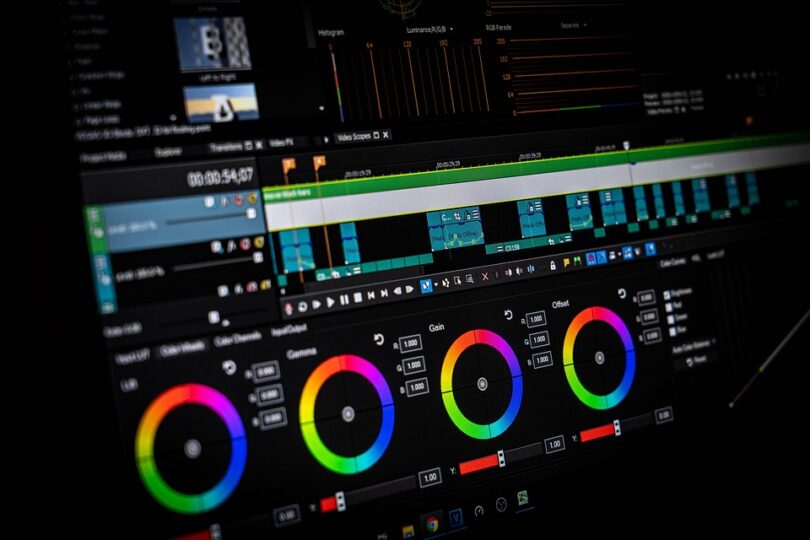
    The digital revolution brought video editing to the masses. With powerful yet accessible software like iMovie, Final Cut Pro, and DaVinci Resolve, individuals and small businesses could produce high-quality videos without the need for expensive equipment or professional training. This democratization of video editing empowered aspiring filmmakers and content creators to share their stories with the world, contributing to the explosion of online video content.

</p>
<h2>7. Current Trends and Future Directions</h2>

<p>

    Today, video editing is more versatile than ever. The integration of artificial intelligence is enhancing editing processes by automating tasks such as color correction, scene detection, and even content creation. Additionally, the rise of mobile editing applications has made video editing accessible to anyone with a smartphone. As we look to the future, immersive technologies such as virtual and augmented reality are expected to shape the next wave of video editing, offering new narratives and experiences to audiences.

</p>
<h2>Conclusion</h2>

<p>

    The evolution of video editing reflects broader changes in technology, society, and storytelling techniques. From the hands-on splicing of film reels to sophisticated software applications, the journey has been one of innovation and creativity. As technology continues to evolve, so too will the practices and possibilities of video editing, opening new horizons for filmmakers and content creators alike.

</p>
<div class="faq">

    <h2>FAQs</h2>

    <h3>1. What is the first known film editing technique?</h3>

    <p>The first known editing technique was splicing film reels, which involved cutting and gluing strips of film together to create a coherent narrative.</p>
<h3>2. How has digital technology changed video editing?</h3>

    <p>Digital technology has made video editing more accessible, allowing individuals to use user-friendly software for editing. It has also introduced non-linear editing, enabling quick access to any part of the footage.</p>
<h3>3. What are non-linear editing systems?</h3>

    <p>Non-linear editing systems (NLEs) allow editors to access any frame of video footage at any time, greatly enhancing flexibility and creativity in the editing process compared to traditional linear editing.</p>
<h3>4. What is the future of video editing?</h3>

    <p>The future of video editing will likely see more integration of artificial intelligence, mobile editing applications, and immersive technologies such as virtual and augmented reality.</p>
<h3>5. How can I start learning video editing?</h3>

    <p>There are many online courses and tutorials available for beginners. Software like Adobe Premiere, Final Cut Pro, or even free options like DaVinci Resolve can serve as great starting points, along with a wealth of resources available on platforms like YouTube.</p>

</div>